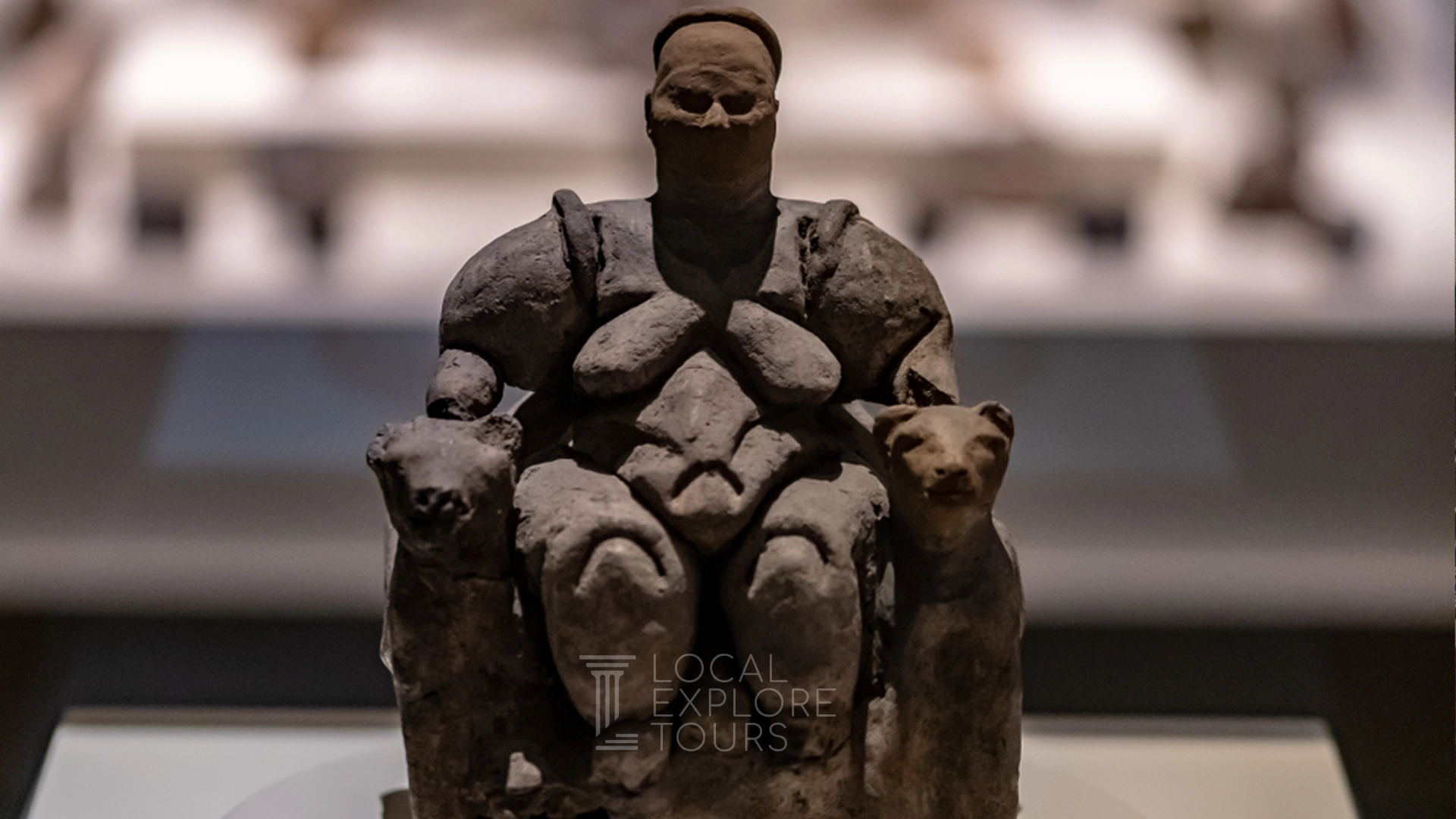
Discover the Timeless Wonder of Çatalhöyük
Aug 31, 2025Çatalhöyük, near Konya, is a 9,000-year-old Neolithic settlement that reveals roof-entry homes, sacred bull skulls, and the iconic Seated Mother Goddess.
Stories, insights and guides from our journeys across Turkey
Çatalhöyük, near Konya, is a 9,000-year-old Neolithic settlement that reveals roof-entry homes, sacred bull skulls, and the iconic Seated Mother Goddess.
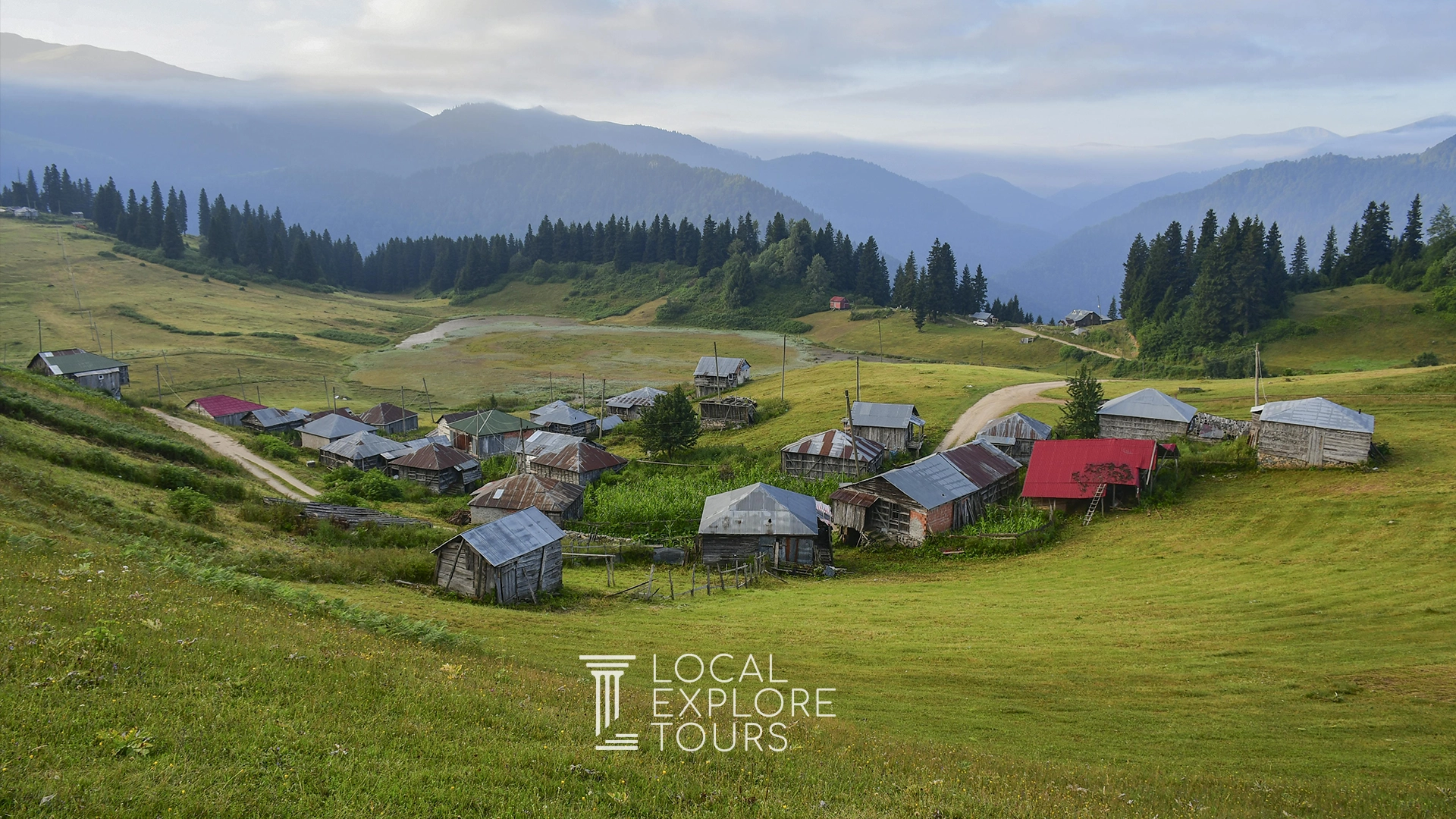
Ordu and Giresun, two Black Sea treasures, await with hazelnut orchards, mystical islands, turquoise lakes, and breathtaking plateaus.
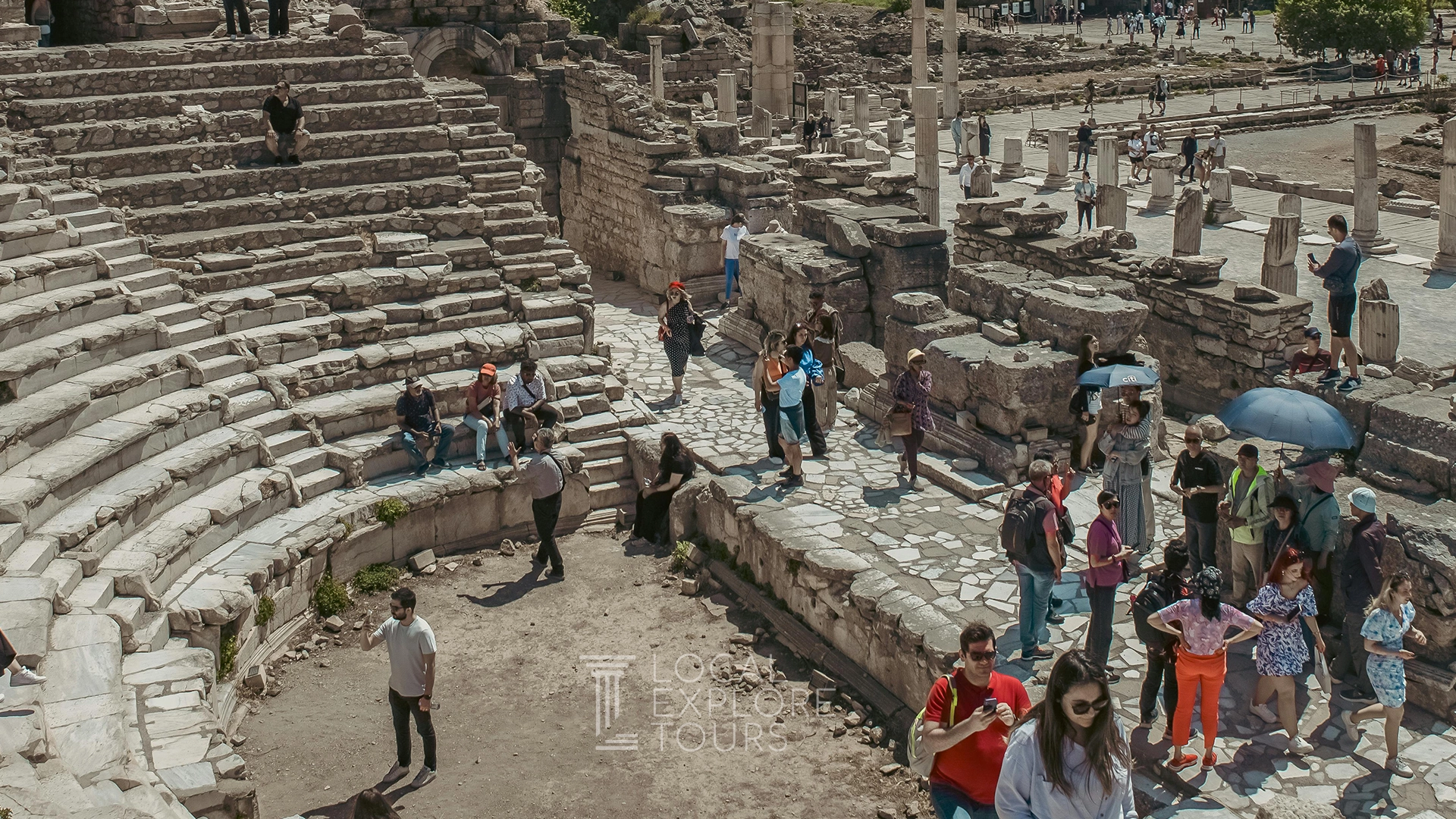
Follow the footsteps of philosophers and gods: Ephesus, Miletus, Priene and Didyma reveal why Ionia became the cradle of thought on the Aegean coast.
Discover Troy, Gallipoli, and Çanakkale’s ancient wonders. From Homer’s Iliad to World War I battlefields, explore a land where myth meets history.
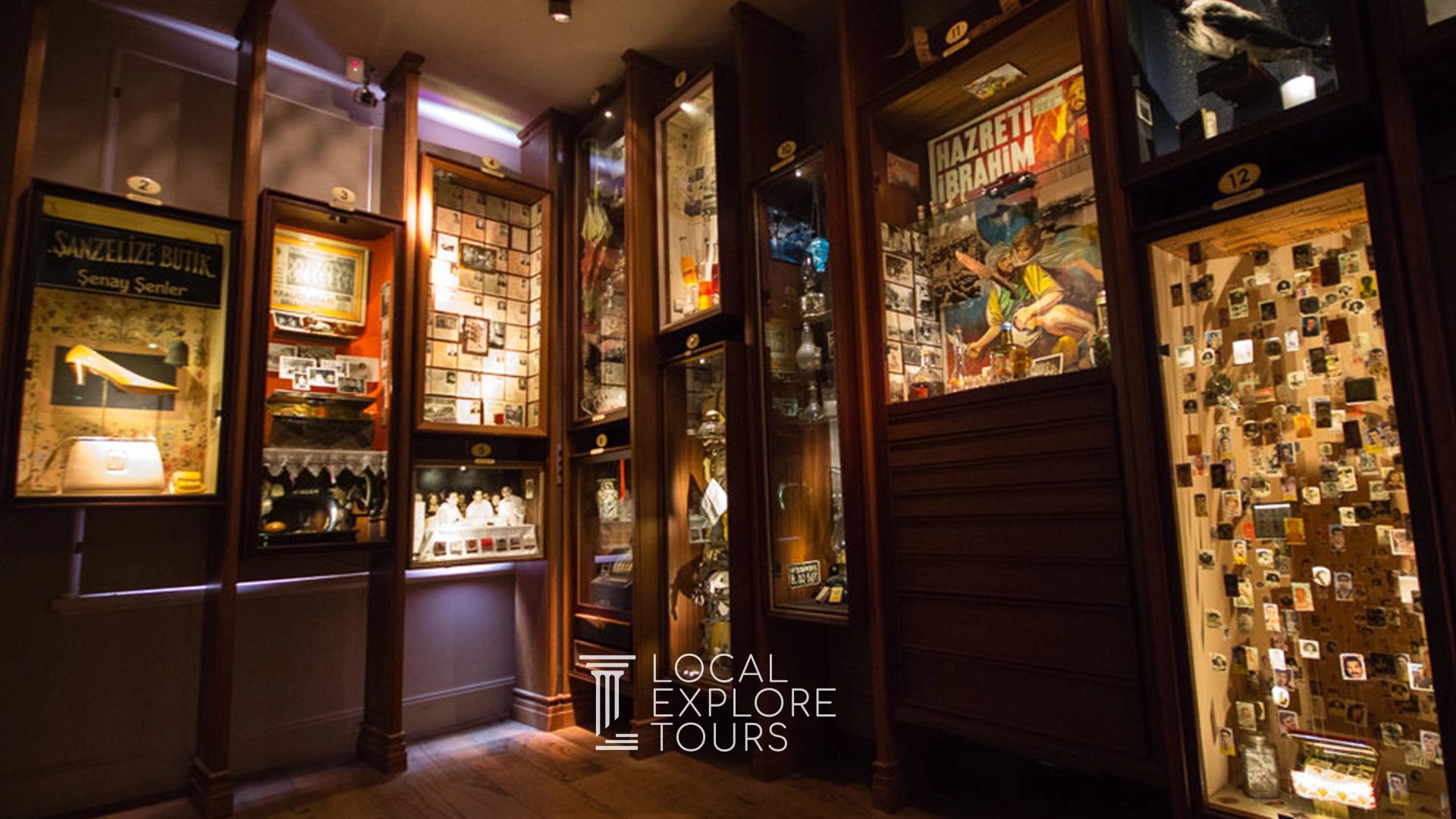
Orhan Pamuk, Turkey’s Nobel laureate, created not only a novel but also a real-life museum in Istanbul: the Museum of Innocence.
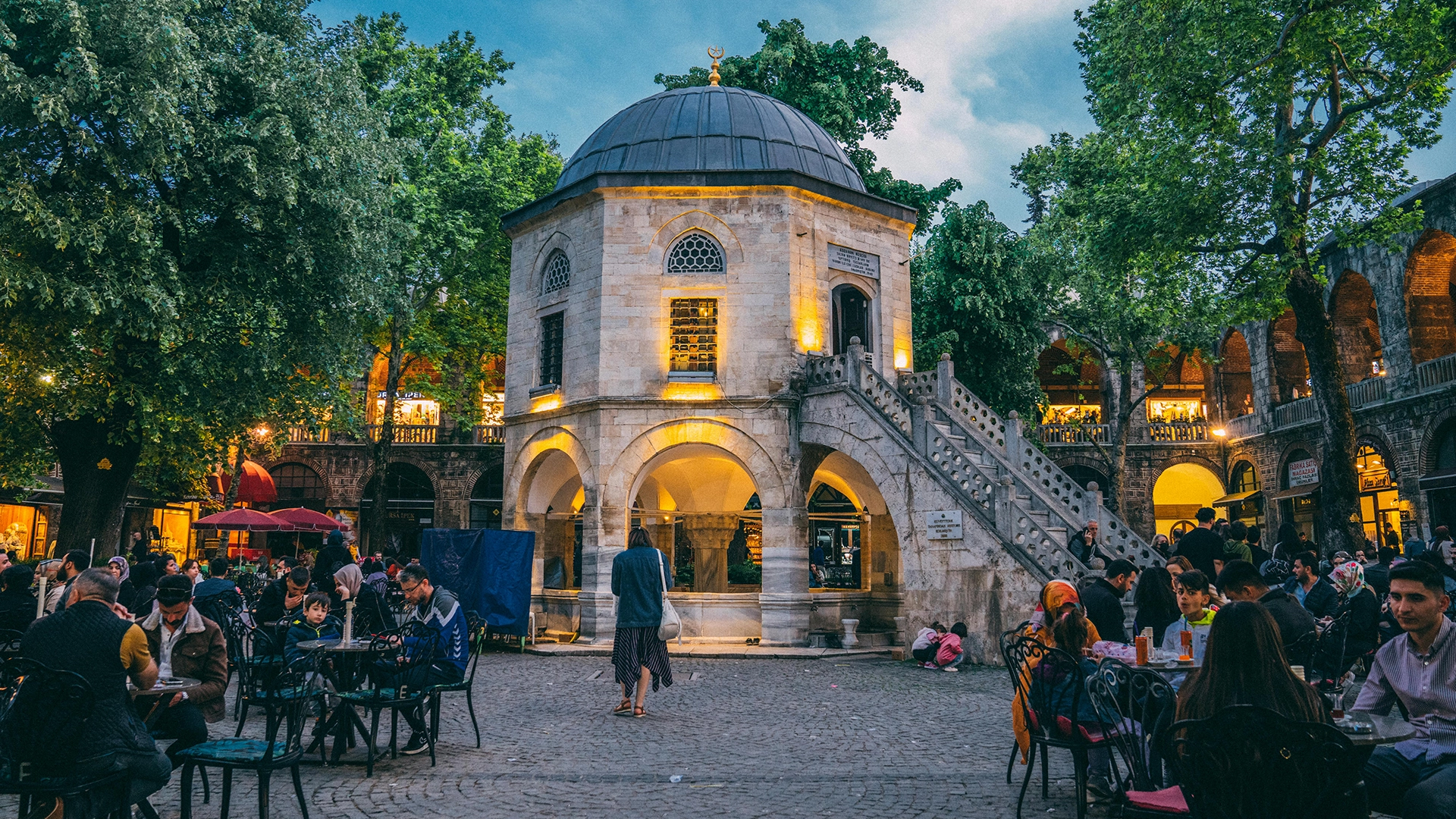
When you think of Istanbul, one of the first scents that comes to mind is undoubtedly freshly roasted Turkish coffee. Yet, the aroma drifting through the city's streets is more than a culinary delight; it is the story of a social technology spanning over 500 years. Today, as you sit in a third-wave coffee shop in Karaköy with your laptop, you are actually experiencing a modern version of the 16th-century Kıraathane (reading houses) first established in Tahtakale. How did a single beverage become the most vital social glue of both a vast empire and a modern metropolis? Let’s dive into the journey of coffee in Istanbul, its intellectual roots, and the hybrid culture it has become today.
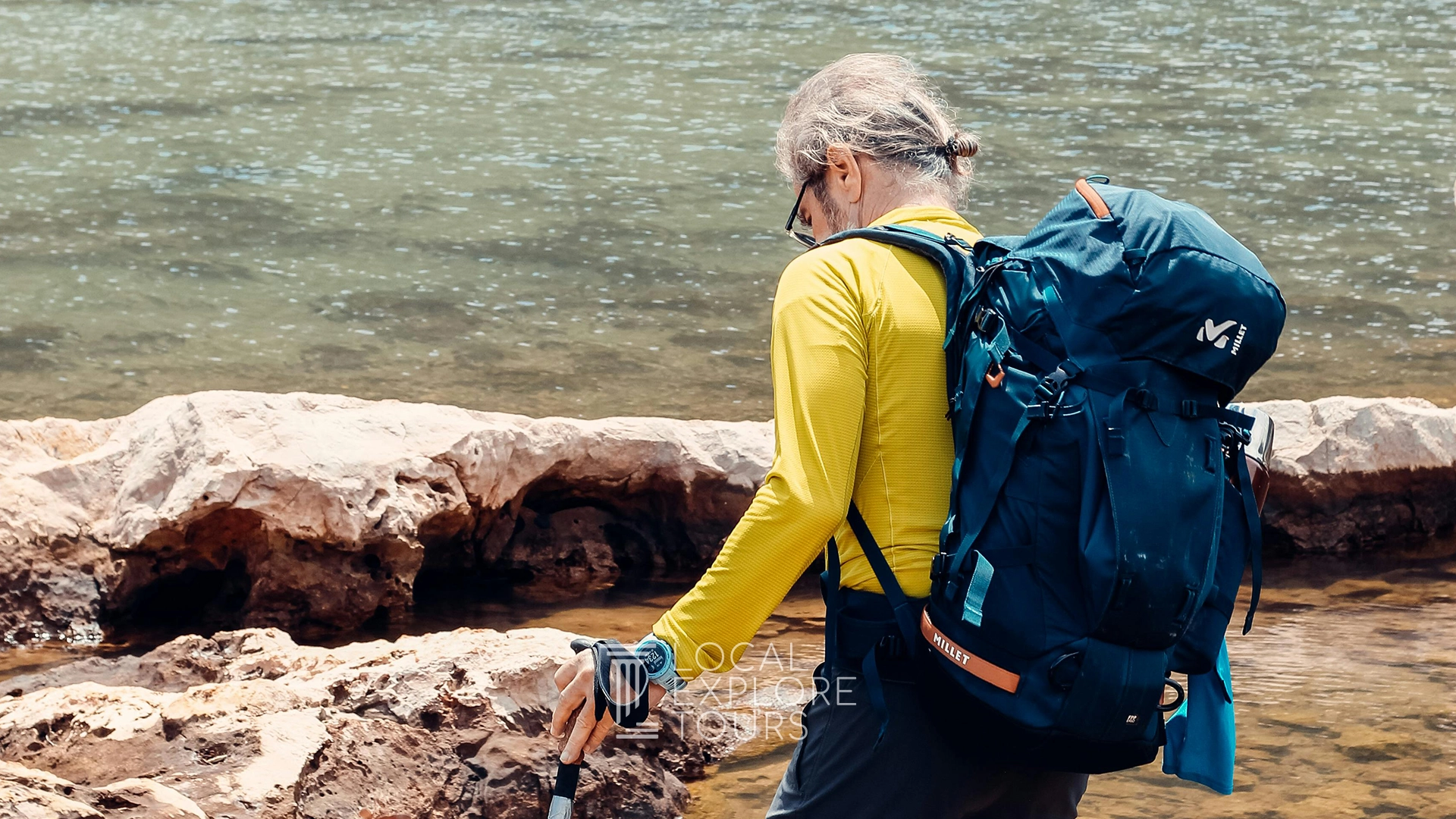
The Lycian Way is more than just a trekking route; it is an immersive journey through the very blueprints of civilization.
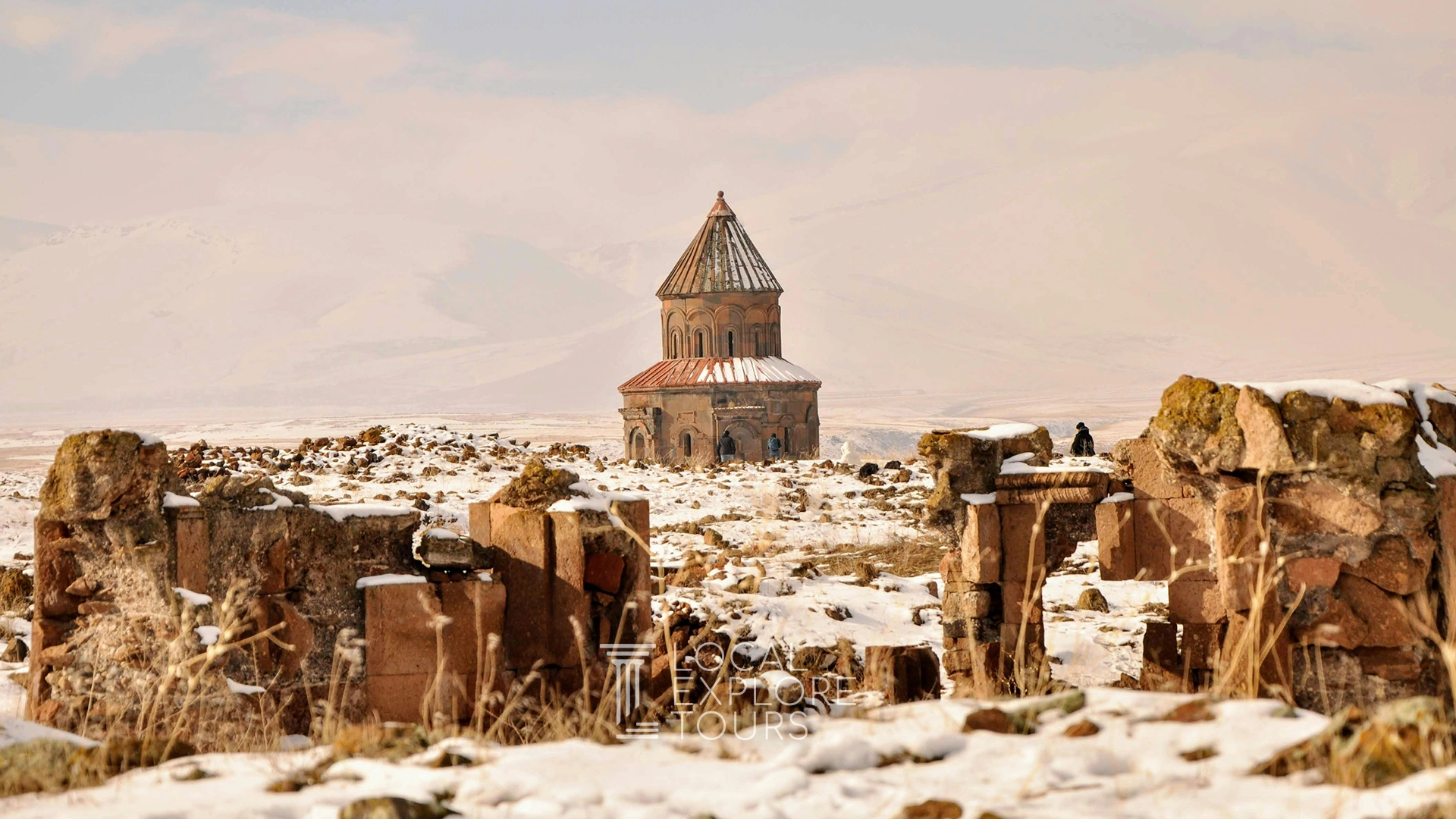
Once a flourishing capital of the Medieval Armenian Bagratid Kingdom, Ani reached its golden age during the 10th and 11th centuries.
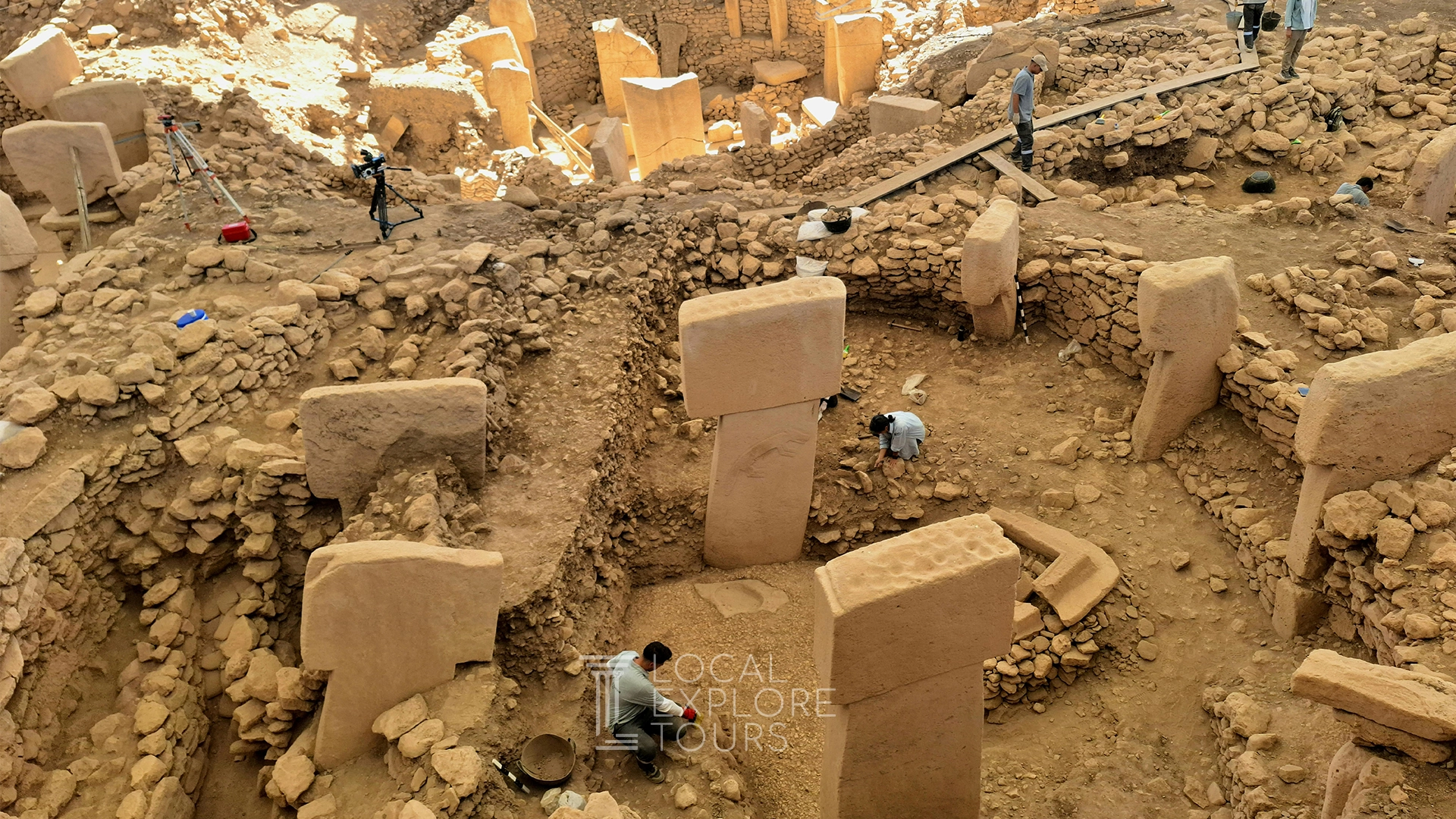
In the heart of Anatolia lies Göbeklitepe, the world’s oldest known temple complex, captivating historians, archaeologists, and travelers alike. Often called the 'dawn of civilization,' this site has…
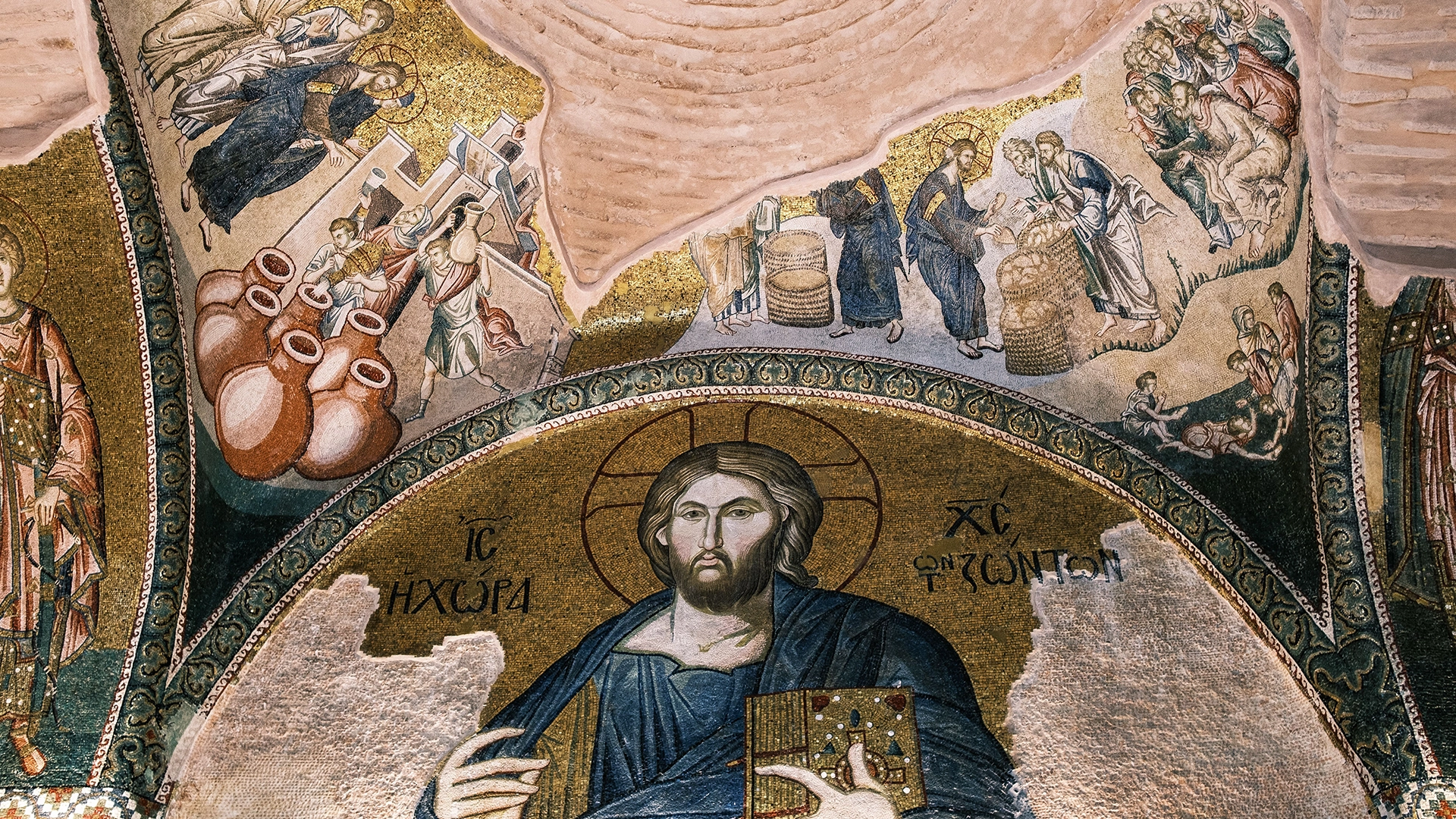
When people think of the Renaissance, images of Florence, Venice, and the bustling art workshops of 15th-century Italy immediately come to mind. We recall Michelangelo’s Sistine Chapel, Botticelli’s ethereal figures, and Leonardo da Vinci’s scientific precision. However, hidden within the ancient land walls of Istanbul lies a monumental artistic chapter that predates the Italian awakening: The Palaeologan Renaissance. For travelers planning their first trip to Istanbul, navigating the city’s vast historic layer cake can be overwhelming. While the Hagia Sophia, the Blue Mosque, and Topkapi Palace dominate every standard itinerary, true art lovers and curious explorers know that the city’s most profound emotional masterpiece resides slightly off the beaten path. Welcome to the Chora Church (Kariye), home to the absolute pinnacle of Late Byzantine art. If you are preparing to visit Istanbul for the very first time, understanding the story behind Chora’s breathtaking fresco and frescoes will completely transform how you perceive the bridge between Europe, Asia, and the birth of Western art history.

2026 is shaping up to be a breakout year for travel to Turkey. With a thriving tourism industry, expanded flight connections, and a growing demand from American travelers for immersive and culturally rich experiences, there has never been a better time to plan your dream trip.
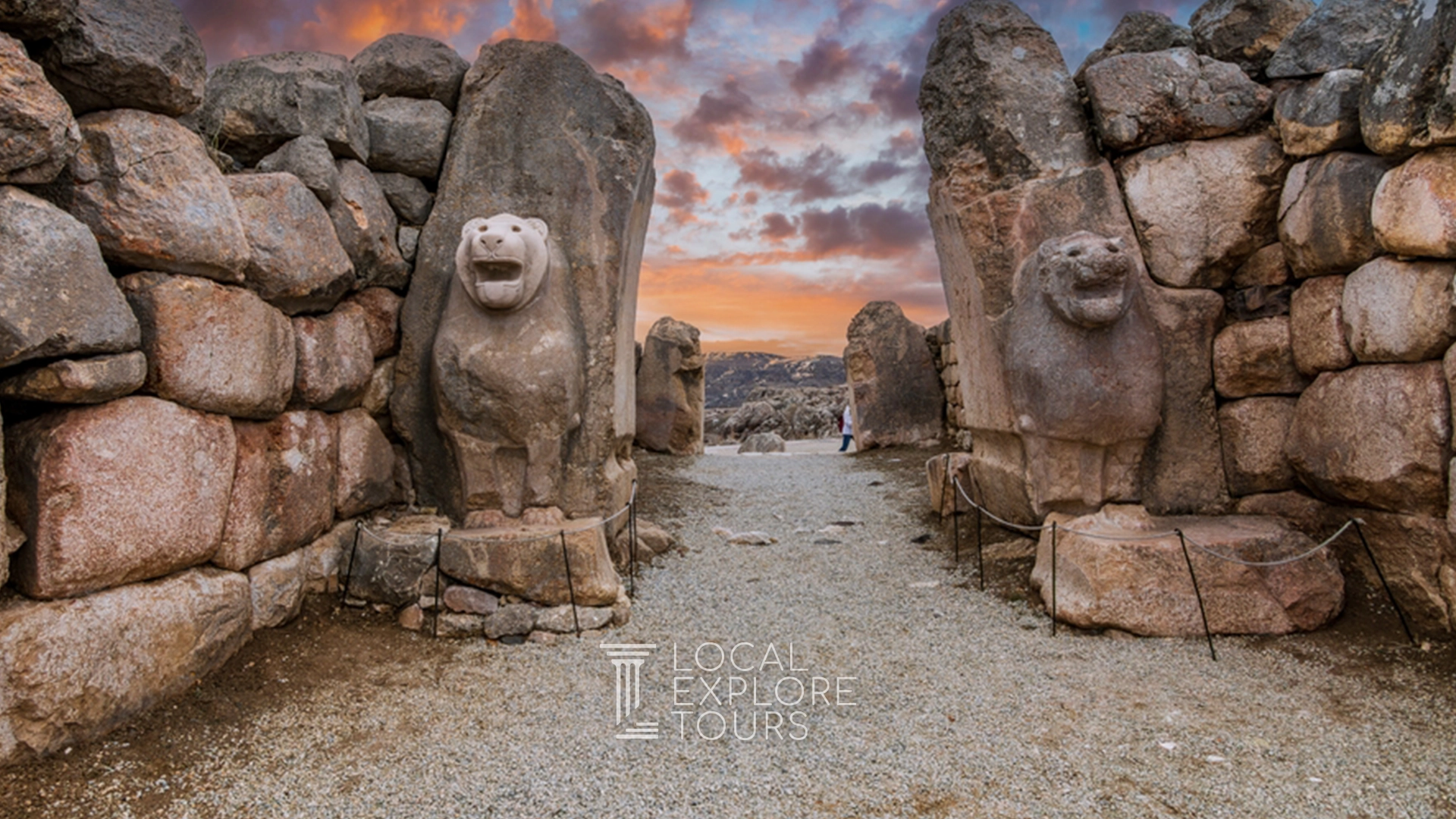
Hidden among the quiet hills near Boğazkale in Central Anatolia, Hattusa was once the mighty capital of the Hittite Empire—one of the most powerful civilizations of the ancient Near East.
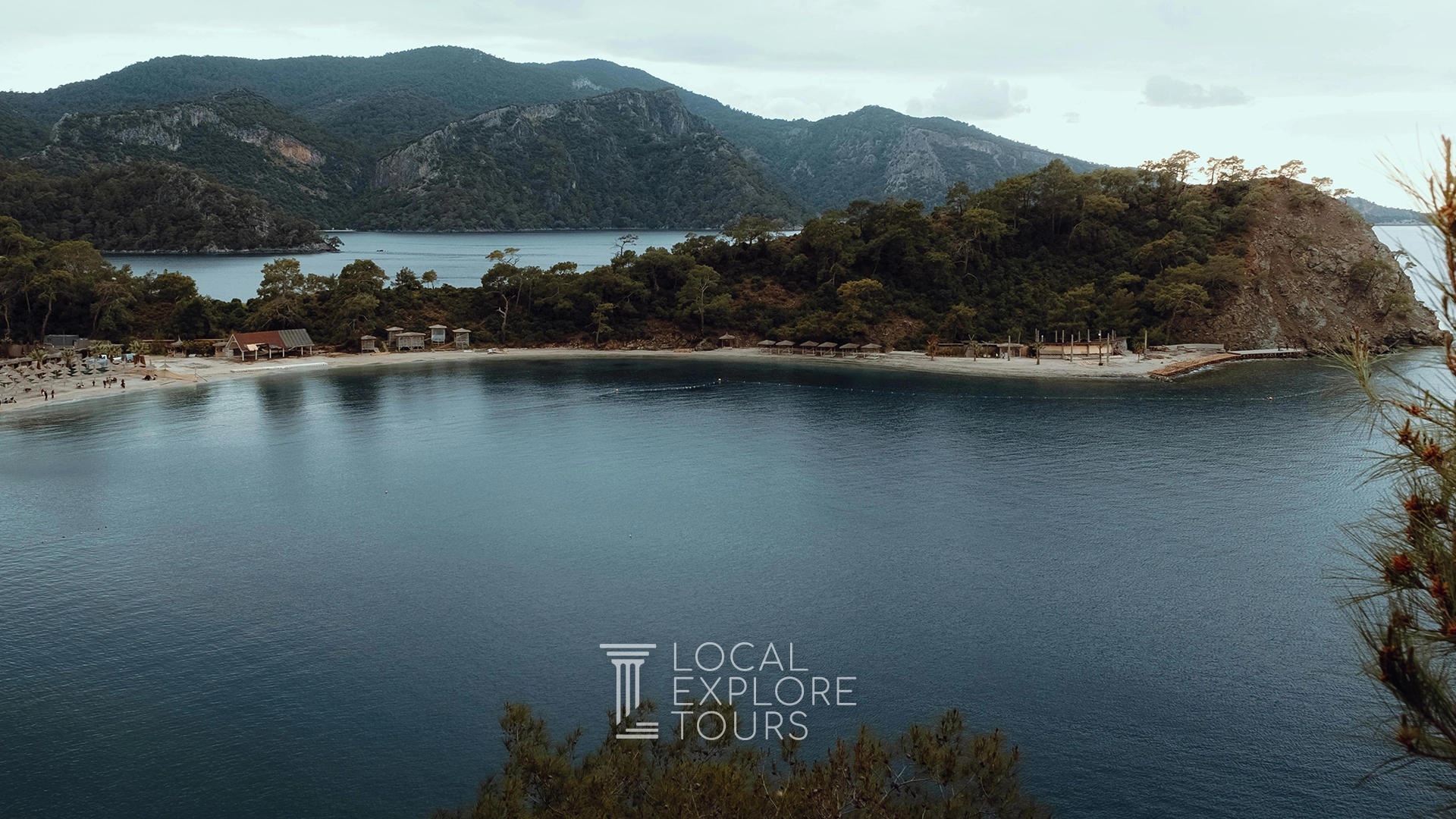
Located in the Fethiye district along Turkey’s stunning southwestern coastline, the Ölüdeniz Blue Lagoon is one of the most photographed beaches in the world. With its crystal-clear turquoise waters, calm lagoon, and pine-covered mountains rising dramatically in the background, it has become a symbol of Turkey’s natural beauty.
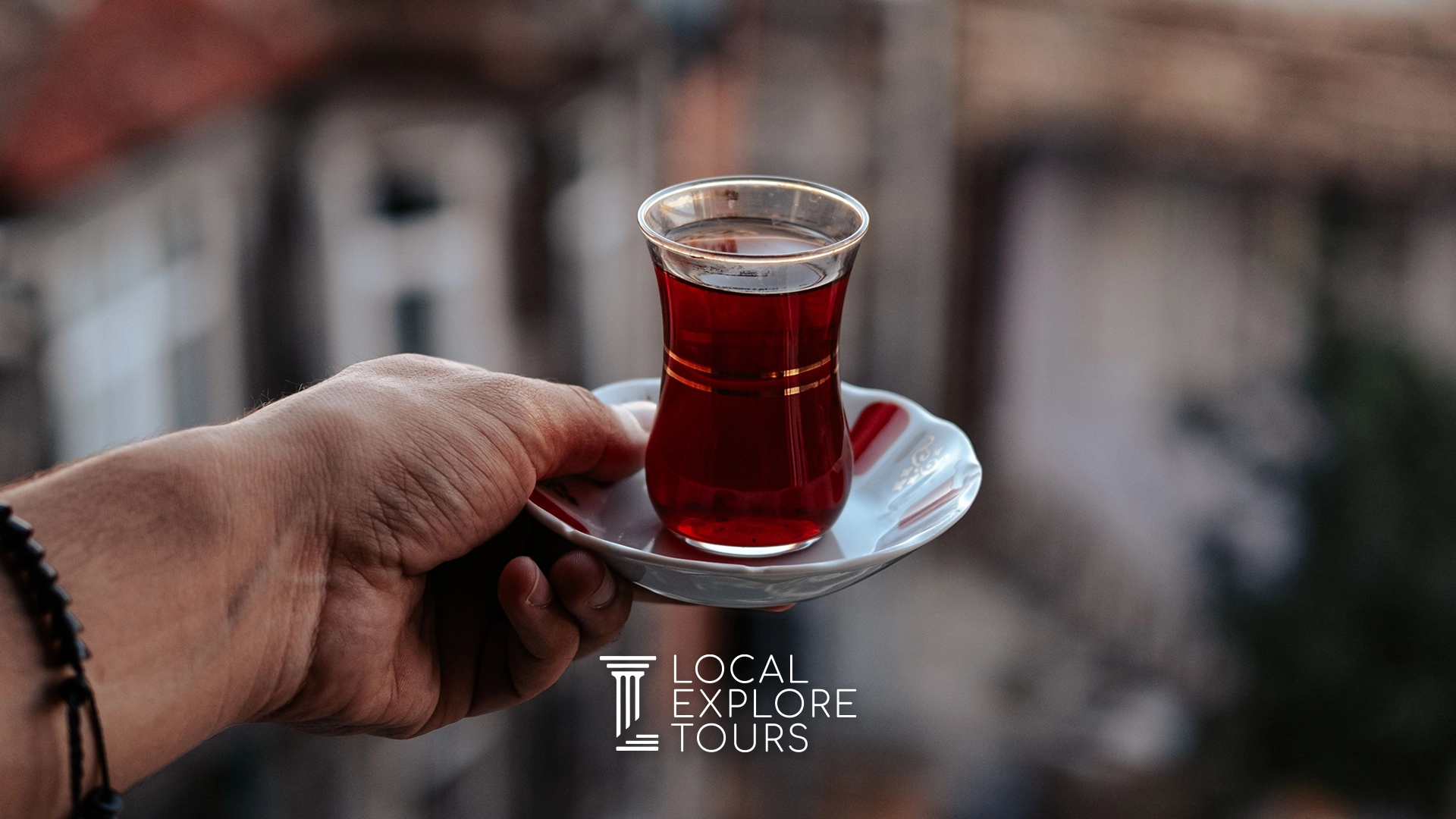
To walk through the winding streets of Istanbul, sit beside the timeless waters of Halfeti, or pause in a quiet village café in Anatolia is to be accompanied by a single, persistent sound: the delicate clinking of a miniature silver spoon against a curved glass cup. In Turkey, life does not simply move between meals or meetings; it flows between glasses of hot black tea (çay). Yet, ask any local to describe the pinnacle of a well-prepared brew, and you will inevitably hear an evocative, centuries-old idiom: "Tavşan kanı"—literally translated as rabbit’s blood. To the uninitiated traveler, the metaphor sounds startling. But to anyone who understands the poetic heart of Turkish culture, "tavşan kanı" is the highest possible praise. It refers neither to animals nor folklore, but to an exacting aesthetic standard: a tea brewed to a luminous, crystal-clear, deep ruby-red hue, devoid of cloudiness or harsh bitterness. It is the visual and sensorial benchmark of mastery, patience, and hospitality.
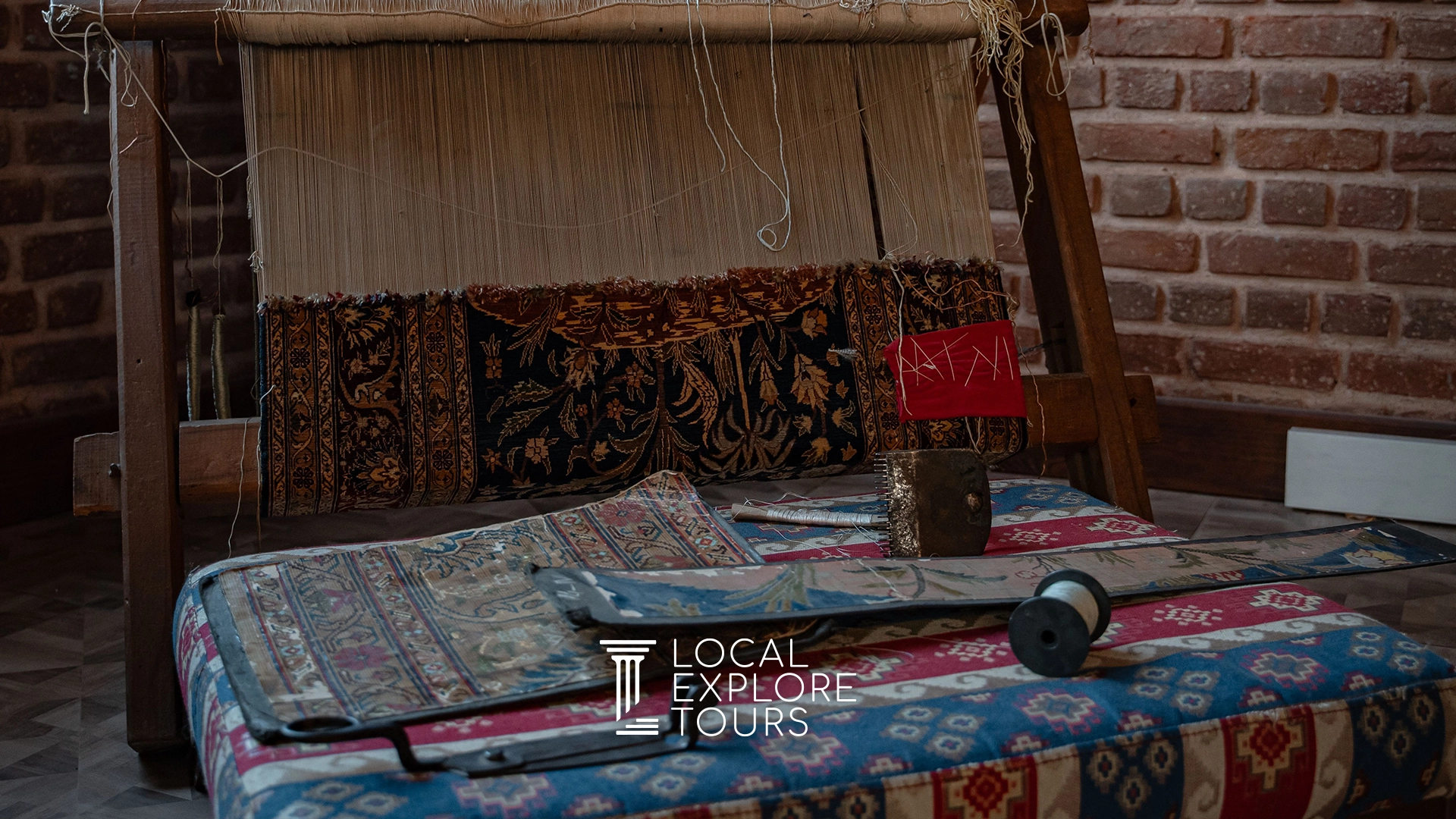
Long before modern nation-states drew geopolitical borders, the high plateaus and fertile river valleys of Anatolia formed the ultimate crossroads of human civilization. Here, nomadic pastoralists encountered deep-rooted urban empires, Greek philosophy met Mesopotamian mysticism, and eastern trade winds brushed against western trade routes. While stone monuments, sunken ruins, and amphitheaters offer glimpses into this layered past, one of Anatolia’s most intimate archives was never carved from marble or cast in bronze. It was spun from wool, dyed with local roots, and tied knot by double knot on wooden looms. When you look closely at an authentic handmade Anatolian carpet, you are not merely admiring Turkish folk art or floor decor. You are decoding the layered archives of world history. Every motif, naturally derived pigment, and symmetrical knot carries echoes of ancient fertility rites, nomadic endurance, celestial geometry, and empires that shaped the Mediterranean basin.
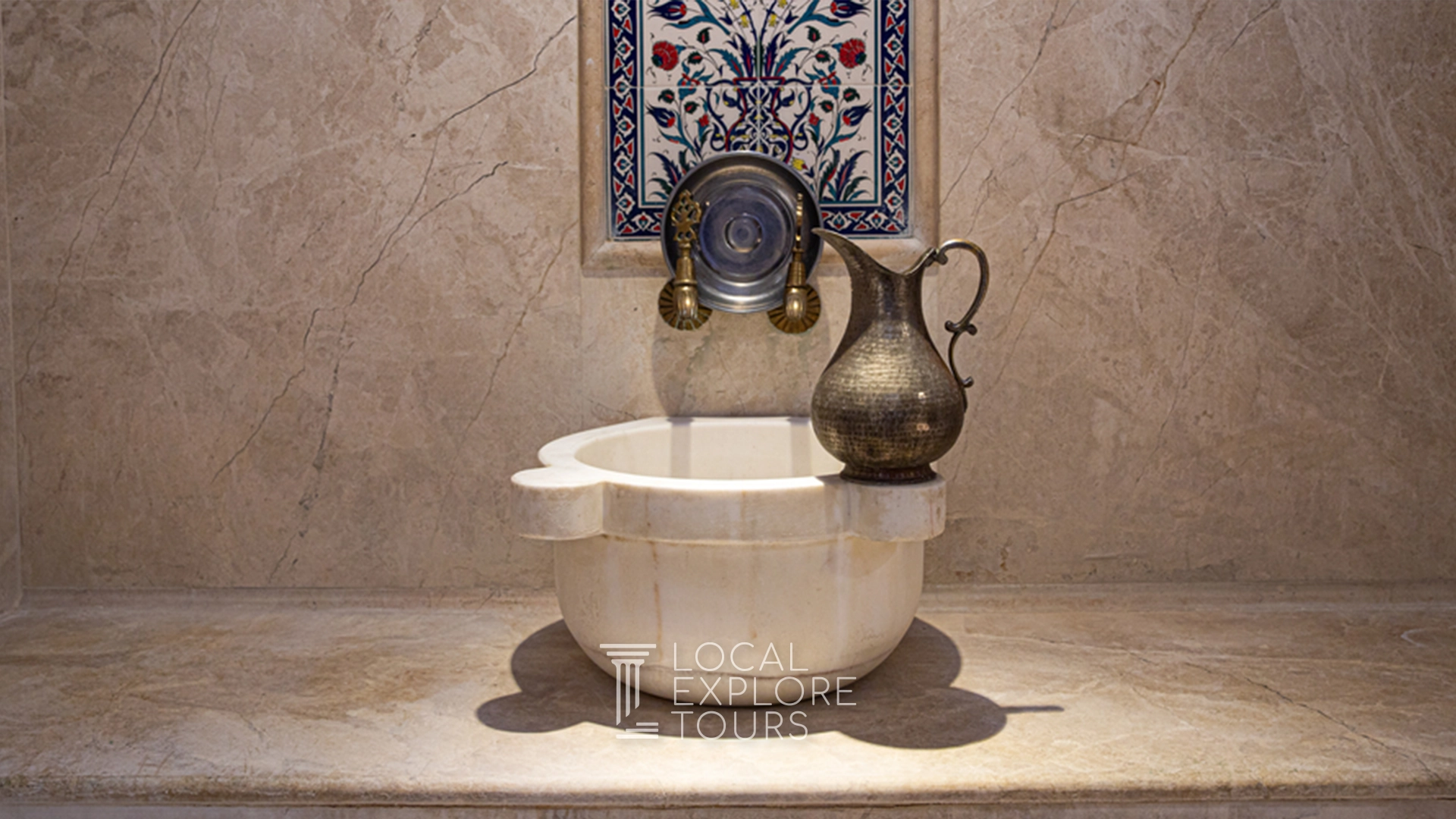
The ritual of the bath is a timeless narrative that flows through the history of Anatolia like water through an aqueduct.
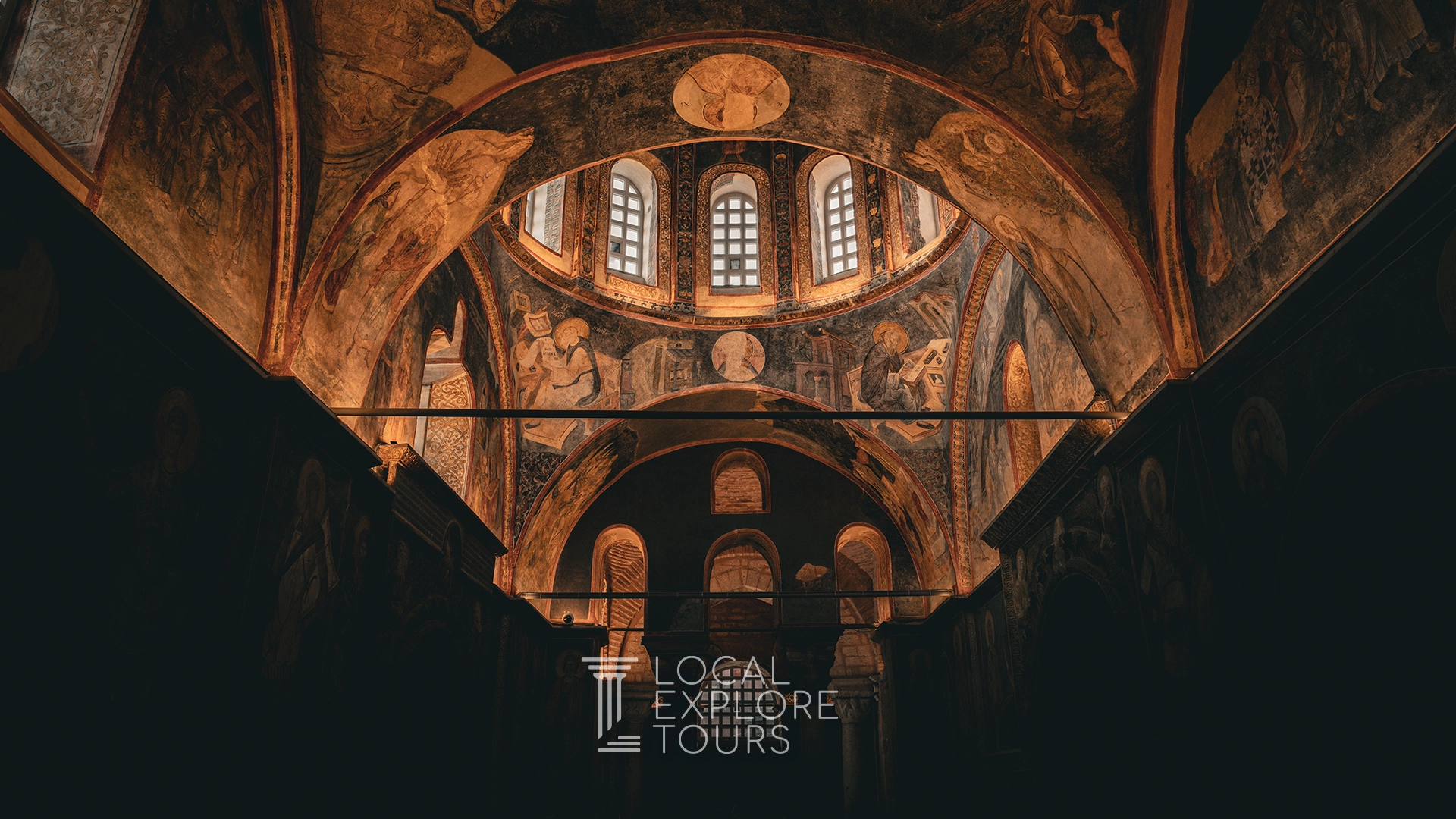
When we reflect on the defining pivotal moments of human art history, our collective imagination almost instantly drifts to 15th-century Florence and the Italian Renaissance. The expressive brushstrokes of Giotto, the pioneering perspective studies of Da Vinci, and the profound emotional weight Michelangelo breathed into human anatomy are universally celebrated as the foundational pillars of Western artistic awakening. Yet history does not unfold in isolation, nor does it belong to a single geographic sphere. Long before the Italian Renaissance captured the world’s imagination, a profound, emotion-laden, and revolutionary artistic awakening was unfolding in the heart of the East—within the historic land walls of Constantinople: The Palaeologan Renaissance. Flourishing under the final ruling dynasty of the Byzantine Empire, the Palaeologans (1251–1453), this cultural movement represented a radical departure from the rigid, schematic, and emotionally distant aesthetic of medieval Eastern Roman art. Remarkably, this era emerged at a time when the empire was politically and militarily collapsing, marking the absolute zenith of its intellectual and artistic sophistication. The most magnificent and deeply moving surviving witness to this golden age stands today in the historical district of Edirnekapı in Istanbul: The Chora Church (Kariye).
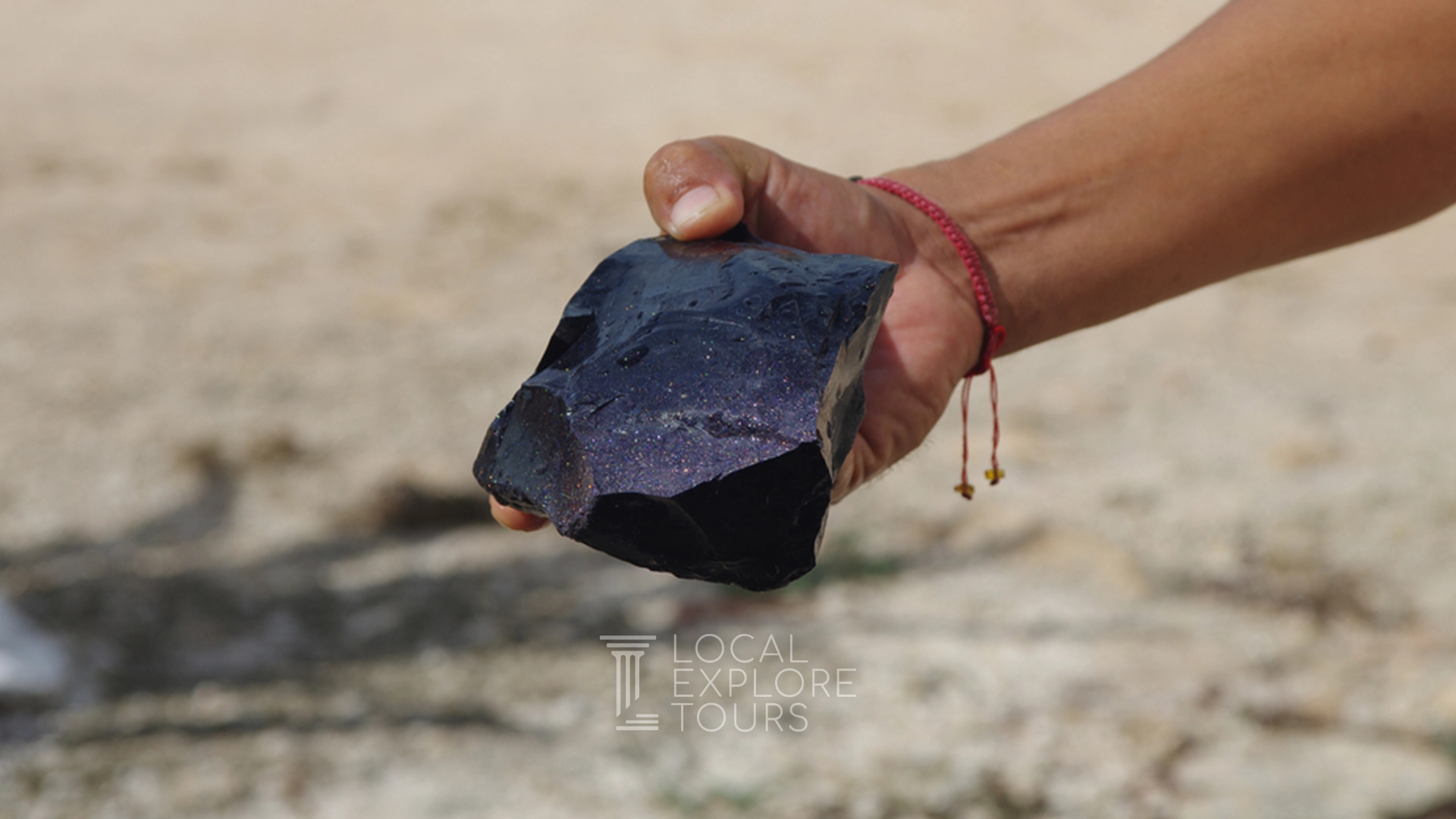
Before gold coins, central bank reserves, and digital bank notes existed, the foundations of global finance were quietly being laid in the rugged, volcanic landscapes of Central and Eastern Anatolia. Long before the Lydians minted the first official coinage in Western Turkey, prehistoric humans had already discovered their own form of universal currency: obsidian. Often referred to as the "Bitcoin of the Neolithic era," this shiny, dark volcanic glass became the catalyst for the world’s very first international trade network. At Local Explore Tours, we believe that understanding the present requires walking the paths of the deep past. In this comprehensive guide, we will explore how ancient Anatolians utilized their geological fortune to kickstart global connectivity, establish the first supply chains, and build an economic empire that stretched across hundreds of miles into the Levant and Mesopotamia.
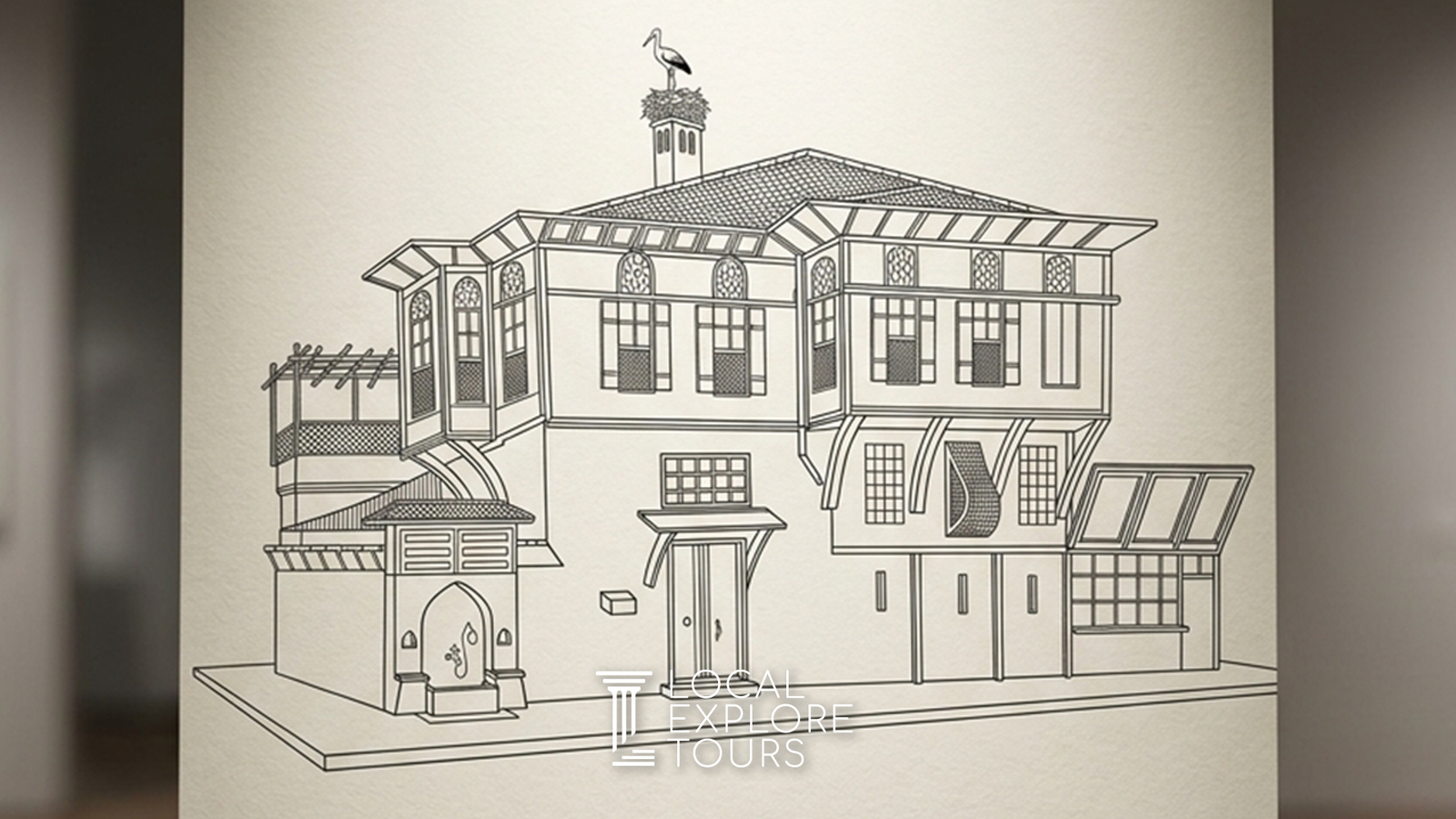
Domestic architecture across the Ottoman realm is far from homogenous; it represents a rich, cosmopolitan mosaic shaped over centuries. Greek, Armenian, Levantine, and Muslim-Turkish housing traditions coexisted within the same geography, influencing one another to forge Anatolia’s unique built heritage. However, the typology defined by architectural historians as the "Traditional Turkish House" holds a distinct place within this shared heritage through its unique spatial organization, timber-frame (hımış) structure, climate responsiveness, and profound sense of privacy.
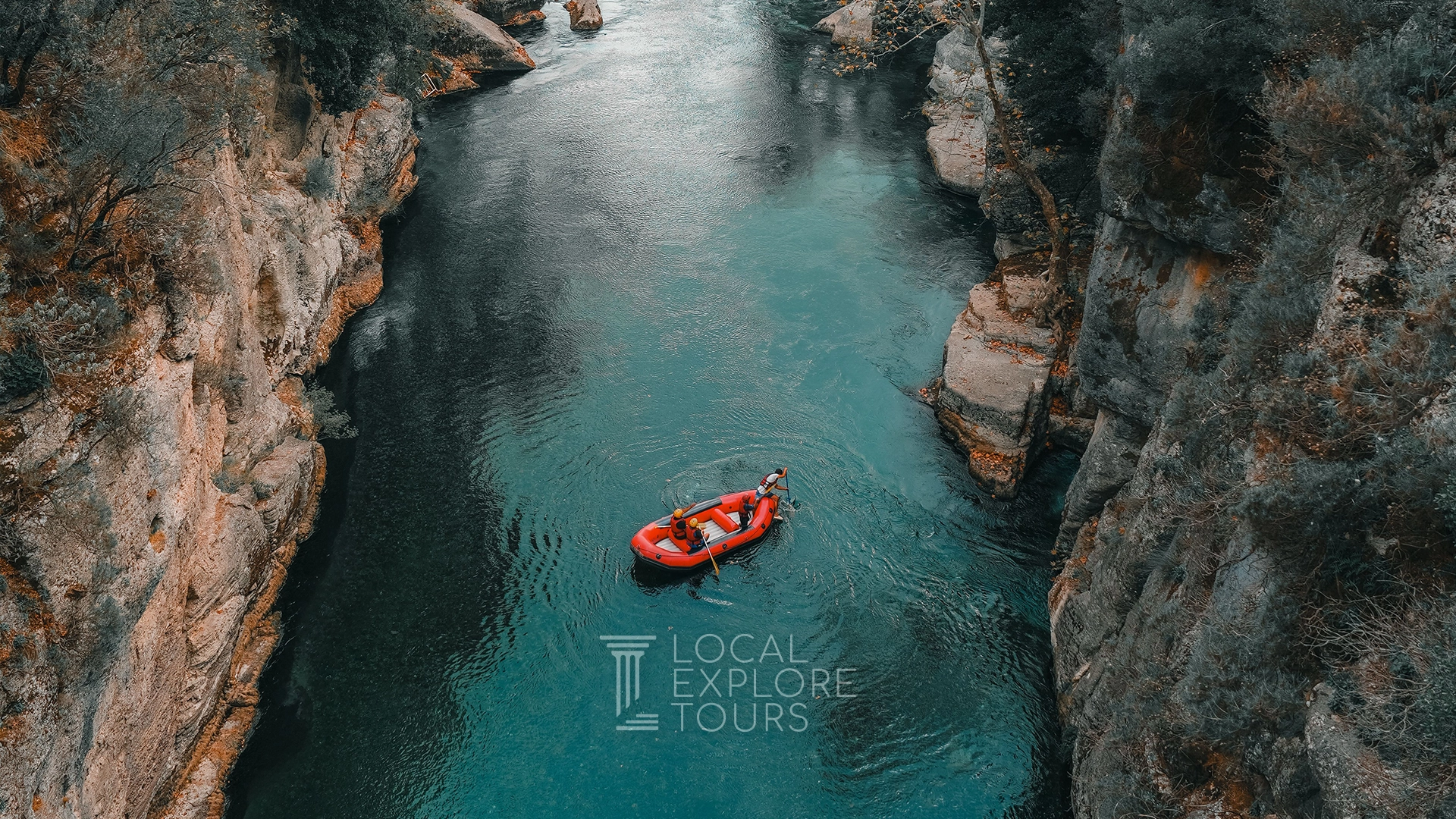
Are you ready to swap the classic Mediterranean beach lounger for the ultimate adrenaline rush? While the Turkish Riviera is world-famous for its sun-kissed sands and luxury resorts, a hidden world of raw adventure lies just a short drive inland. Today, we are taking you deep into the heart of Köprülü Canyon National Park, one of the most stunning natural wonders of the Mediterranean, for an action-packed day filled with wild rapids, towering cliffs, and breathtaking panoramic views. Whether you are a seasoned thrill-seeker or a family looking to push your boundaries for the very first time, combining a rafting and zipline adventure in Turkey is the perfect way to experience the rugged, untamed beauty of Antalya’s backcountry. In this ultimate guide, we will dive into what makes Köprülü Canyon the capital of outdoor sports in Turkey, what to expect from your white-water rafting experience, and how to soar like an eagle over ancient Roman history.
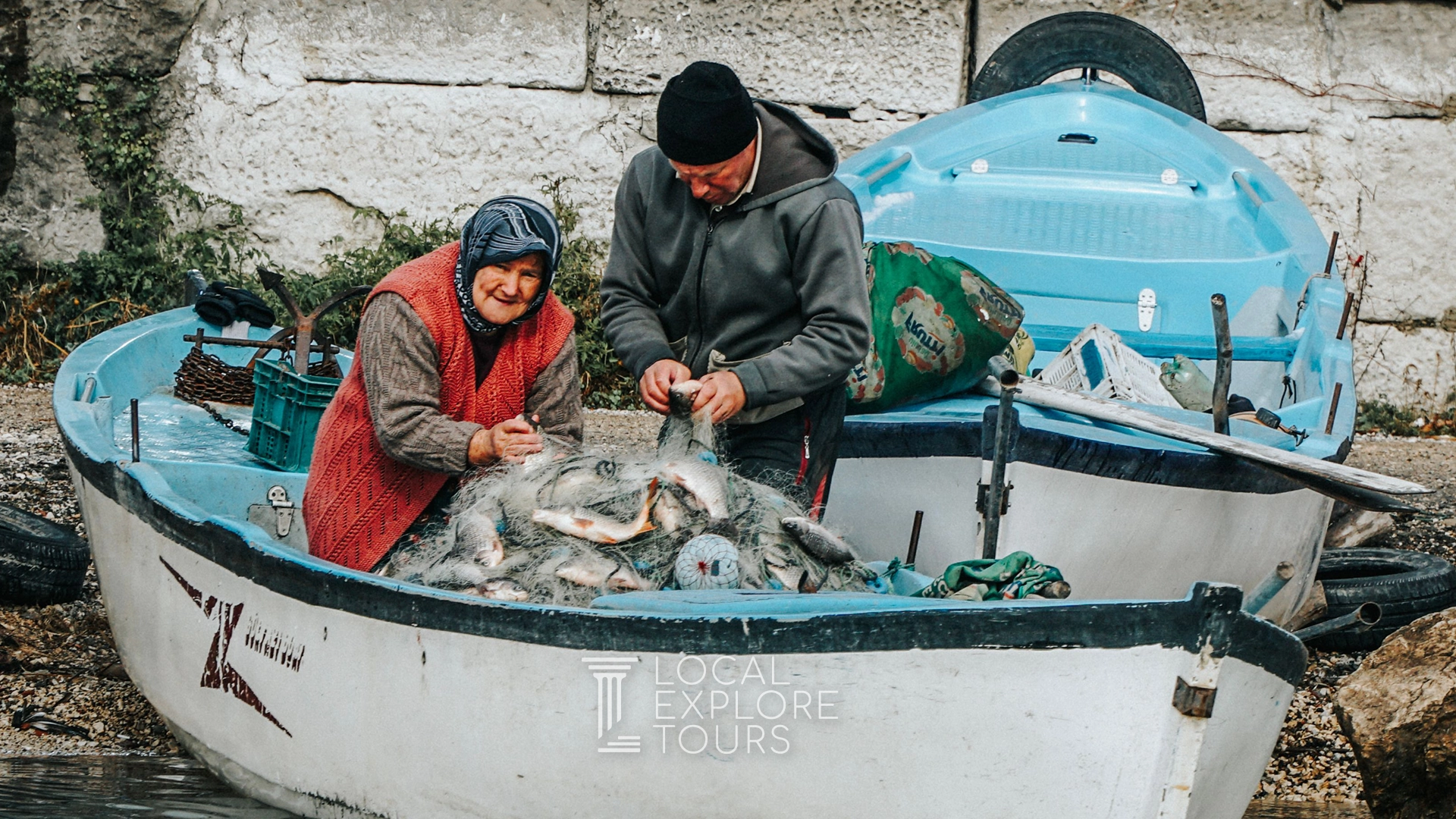
In Turkey, eating seafood is far more than ordering a dish off a menu; it is a story that begins long before sunrise—a rich narrative woven with patience, labor, and tradition. Surrounded by seas on three sides, the nation's seafood culture offers a unique maritime heritage ranging from coastal anglers to the vibrant energy of neighborhood fish markets, quick street-side bites, and relaxed dinners along the Aegean and Bosphorus.
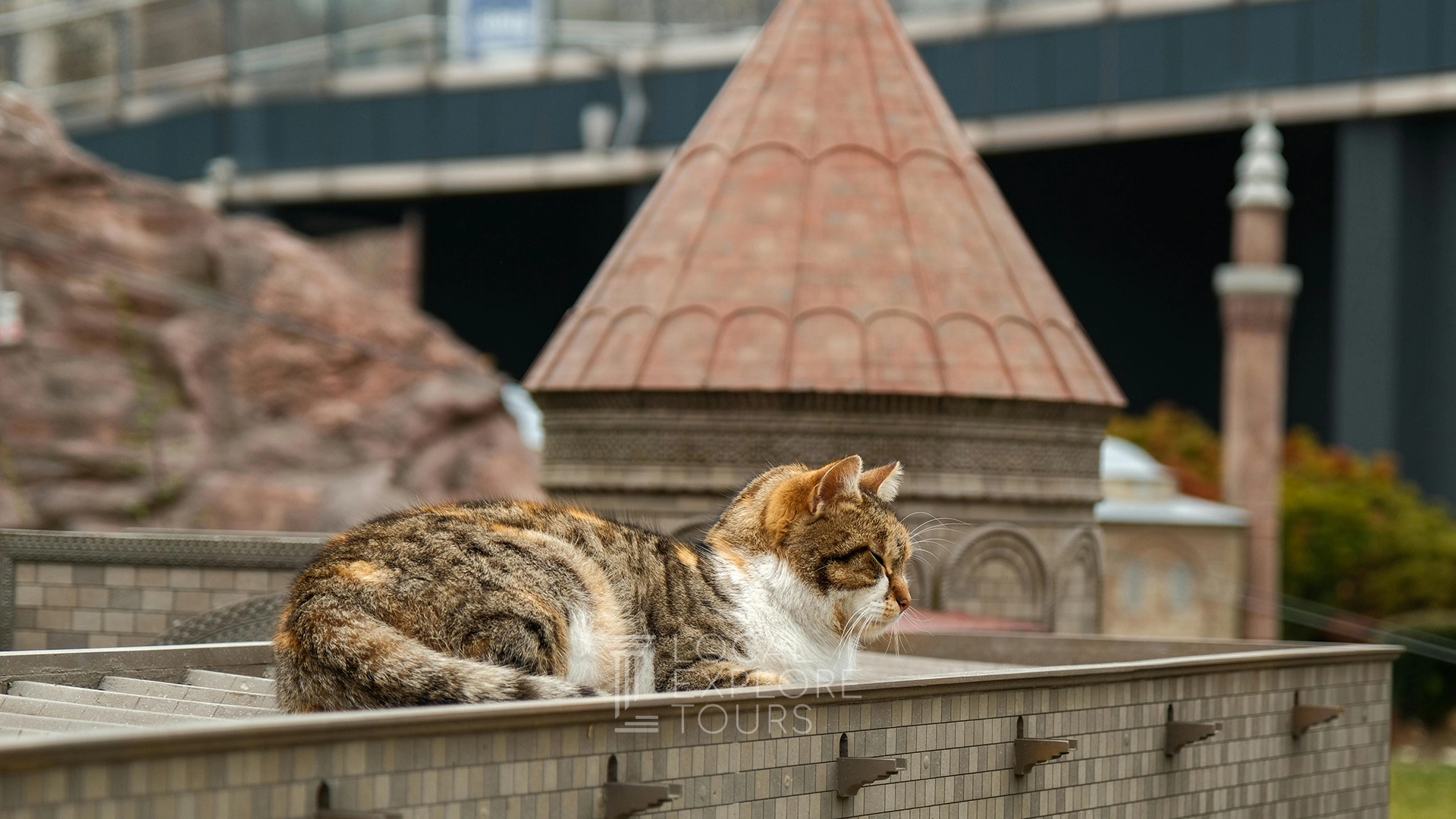
If you have ever wandered through the sun-drenched streets of Istanbul or the quiet turquoise coasts of the Mediterranean, you already know one thing: Turkey belongs to the cats. From the bustling markets of the Grand Bazaar to the serene courtyards of ancient mosques, these furry companions are more than just residents—on these lands, they are cultural icons, spiritual neighbors, and the heartbeat of daily life.