Reading the Sacred Geometry and Civilizations of Anatolian Carpets
Long before modern nation-states drew geopolitical borders, the high plateaus and fertile river valleys of Anatolia formed the ultimate crossroads of human civilization. Here, nomadic pastoralists encountered deep-rooted urban empires, Greek philosophy met Mesopotamian mysticism, and eastern trade winds brushed against western trade routes.
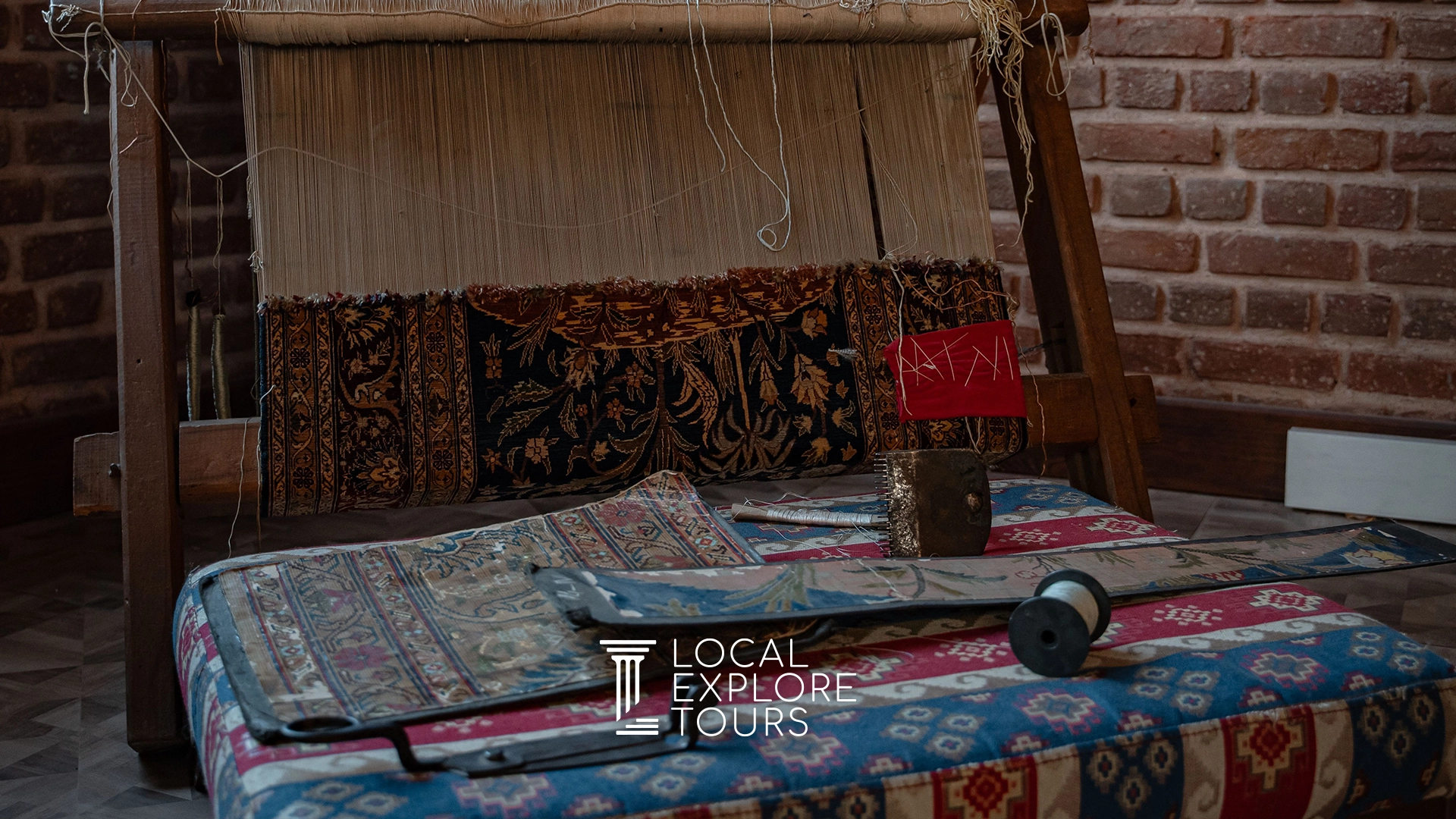
While stone monuments, sunken ruins, and amphitheaters offer glimpses into this layered past, one of Anatolia’s most intimate archives was never carved from marble or cast in bronze. It was spun from wool, dyed with local roots, and tied knot by double knot on wooden looms.
When you look closely at an authentic handmade Anatolian carpet, you are not merely admiring Turkish folk art or floor decor. You are decoding the layered archives of world history. Every motif, naturally derived pigment, and symmetrical knot carries echoes of ancient fertility rites, nomadic endurance, celestial geometry, and empires that shaped the Mediterranean basin.
Read article