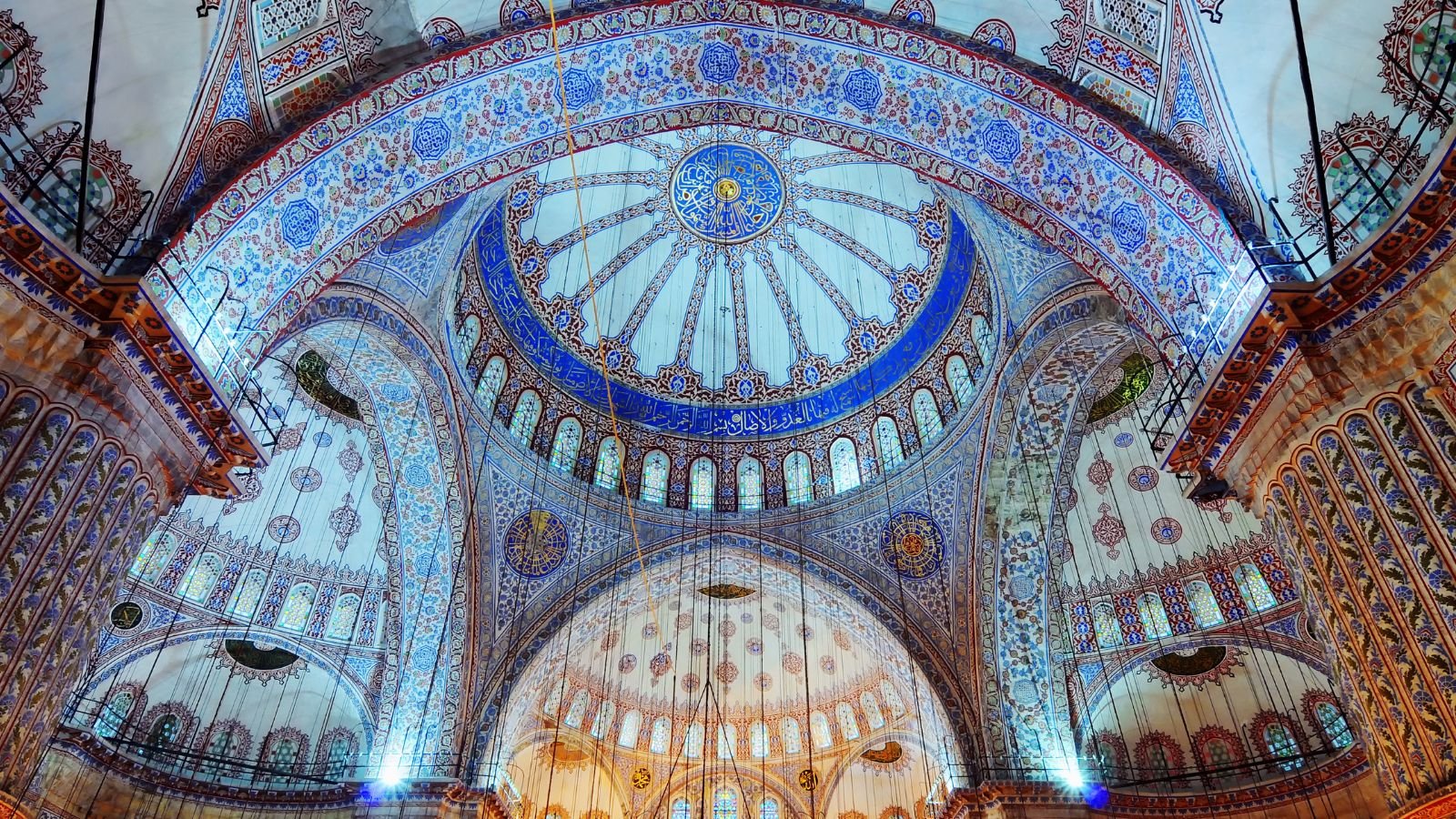
Best of Istanbul Highlights Private Tour
Istanbul · Full day (≈ 8 hours)
Full-day private tour of Istanbul Old City: Hagia Sophia, Blue Mosque, Hippodrome, Basilica Cistern and Spice Bazaar. Includes guide, tickets and lunch.
See tour detailsIstanbul, where Europe meets Asia, is a vibrant city shaped by centuries of history, culture, and empire. Once the capital of the Byzantine and Ottoman Empires, it offers a unique blend of ancient landmarks, rich traditions, and modern life. Discover iconic sites such as Hagia Sophia, the Blue Mosque, and Topkapi Palace, or wander through the bustling Grand Bazaar and Spice Market. A cruise along the Bosphorus reveals stunning views of palaces, mosques, and waterfront mansions. With its dynamic atmosphere, world-class cuisine, and timeless heritage, Istanbul is a destination that truly connects past and present.
Istanbul · Full day (≈ 8 hours)
Full-day private tour of Istanbul Old City: Hagia Sophia, Blue Mosque, Hippodrome, Basilica Cistern and Spice Bazaar. Includes guide, tickets and lunch.
See tour details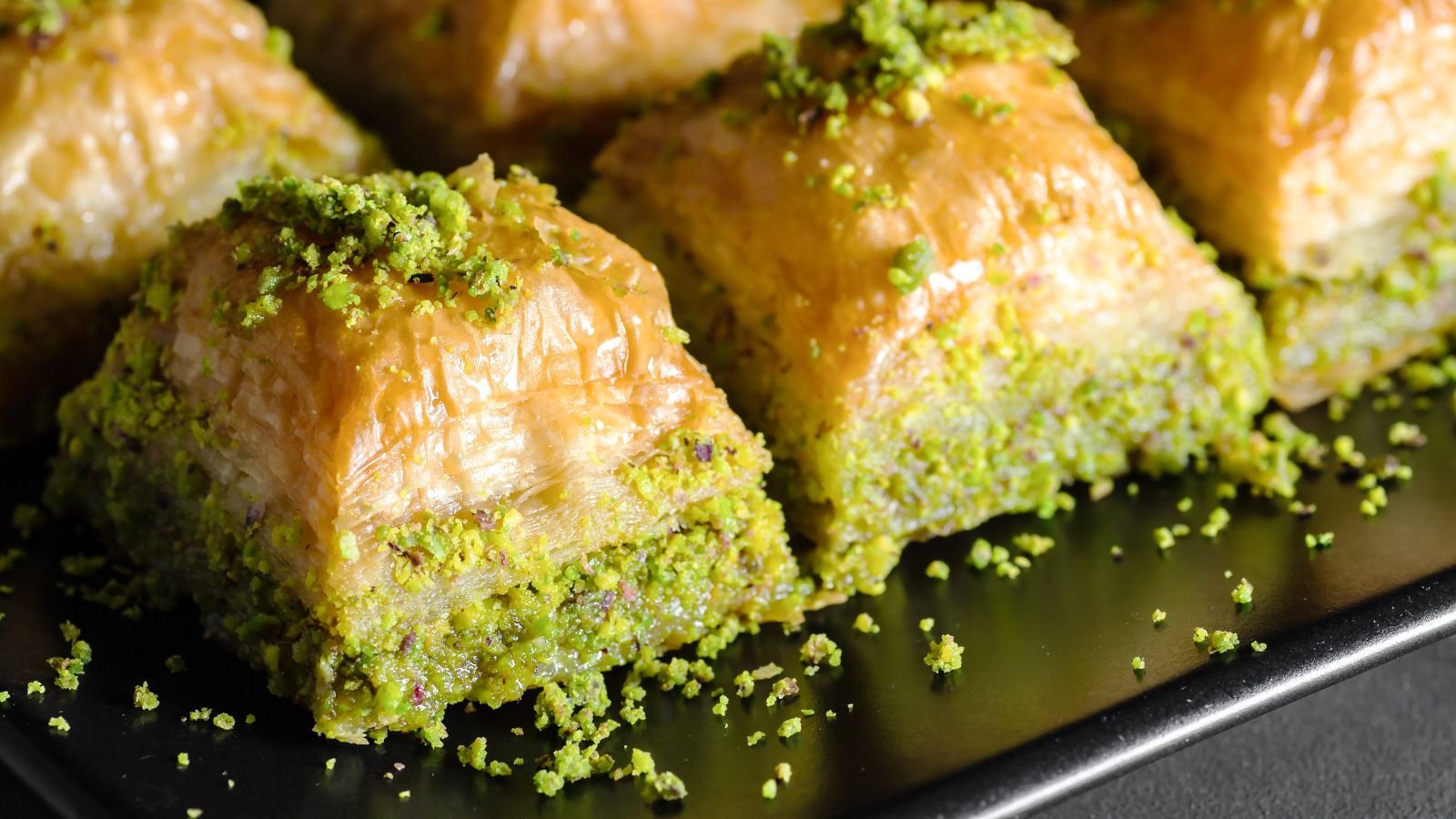
İstanbul · 3 days / 2 nights
An immersive 3-day tour of Istanbul covering iconic landmarks, Byzantine heritage, local neighborhoods, and authentic culinary experiences.
See package details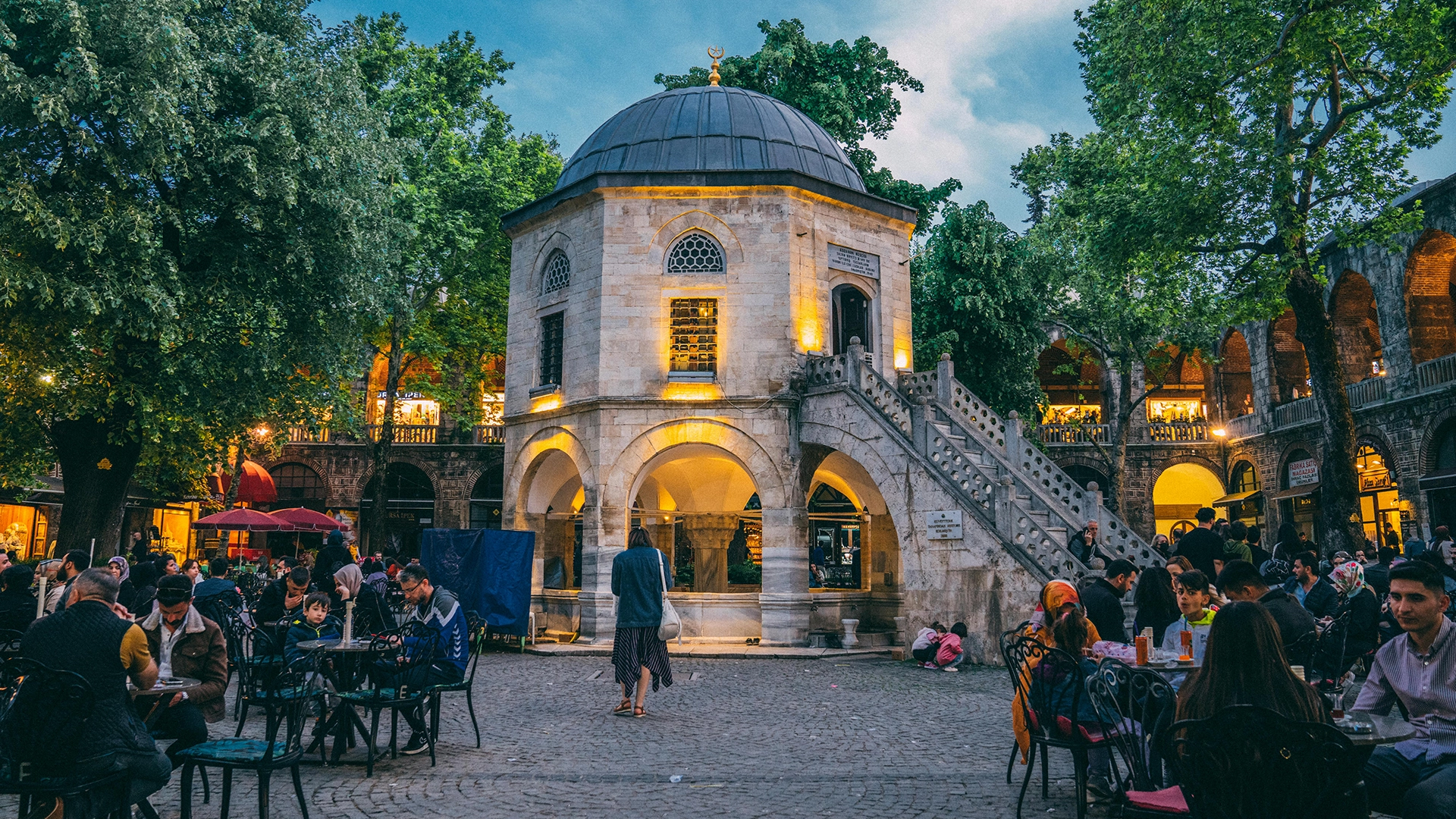
When you think of Istanbul, one of the first scents that comes to mind is undoubtedly freshly roasted Turkish coffee. Yet, the aroma drifting through the city's streets is more than a culinary delight; it is the story of a social technology spanning over 500 years. Today, as you sit in a third-wave coffee shop in Karaköy with your laptop, you are actually experiencing a modern version of the 16th-century Kıraathane (reading houses) first established in Tahtakale. How did a single beverage become the most vital social glue of both a vast empire and a modern metropolis? Let’s dive into the journey of coffee in Istanbul, its intellectual roots, and the hybrid culture it has become today.
Read article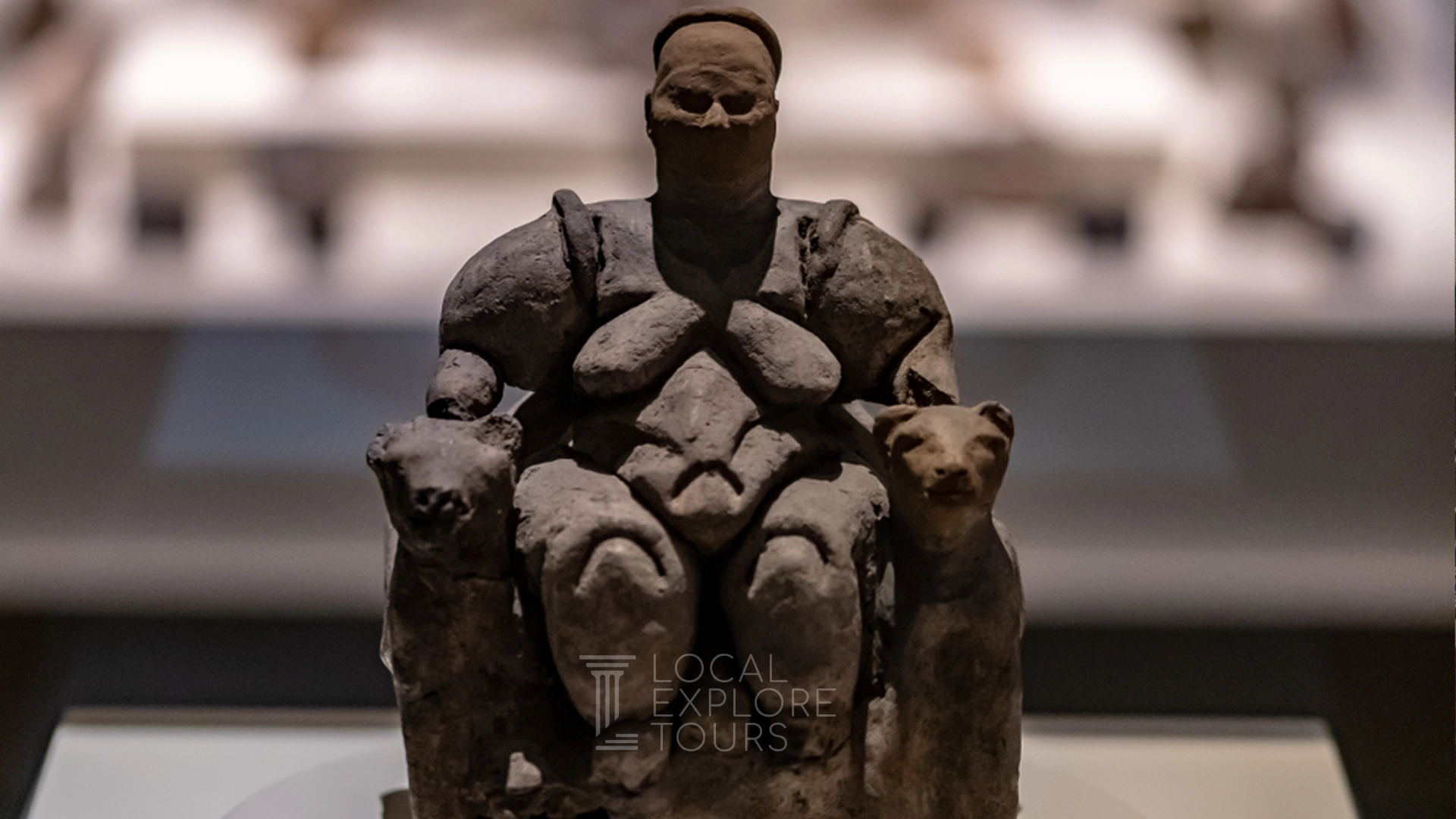
Çatalhöyük, near Konya, is a 9,000-year-old Neolithic settlement that reveals roof-entry homes, sacred bull skulls, and the iconic Seated Mother Goddess.
Read article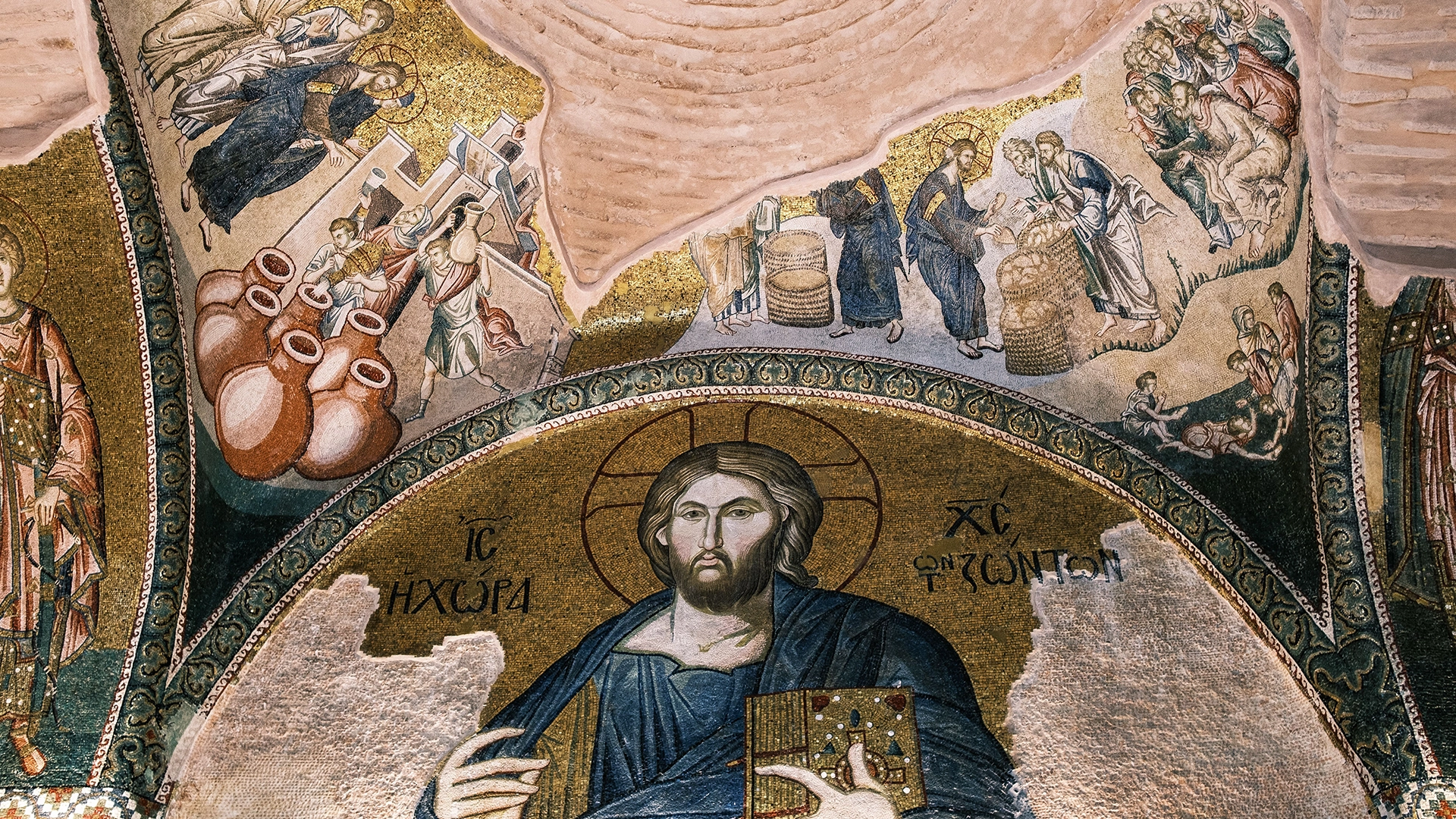
When people think of the Renaissance, images of Florence, Venice, and the bustling art workshops of 15th-century Italy immediately come to mind. We recall Michelangelo’s Sistine Chapel, Botticelli’s ethereal figures, and Leonardo da Vinci’s scientific precision. However, hidden within the ancient land walls of Istanbul lies a monumental artistic chapter that predates the Italian awakening: The Palaeologan Renaissance. For travelers planning their first trip to Istanbul, navigating the city’s vast historic layer cake can be overwhelming. While the Hagia Sophia, the Blue Mosque, and Topkapi Palace dominate every standard itinerary, true art lovers and curious explorers know that the city’s most profound emotional masterpiece resides slightly off the beaten path. Welcome to the Chora Church (Kariye), home to the absolute pinnacle of Late Byzantine art. If you are preparing to visit Istanbul for the very first time, understanding the story behind Chora’s breathtaking fresco and frescoes will completely transform how you perceive the bridge between Europe, Asia, and the birth of Western art history.
Read article
2026 is shaping up to be a breakout year for travel to Turkey. With a thriving tourism industry, expanded flight connections, and a growing demand from American travelers for immersive and culturally rich experiences, there has never been a better time to plan your dream trip.
Read article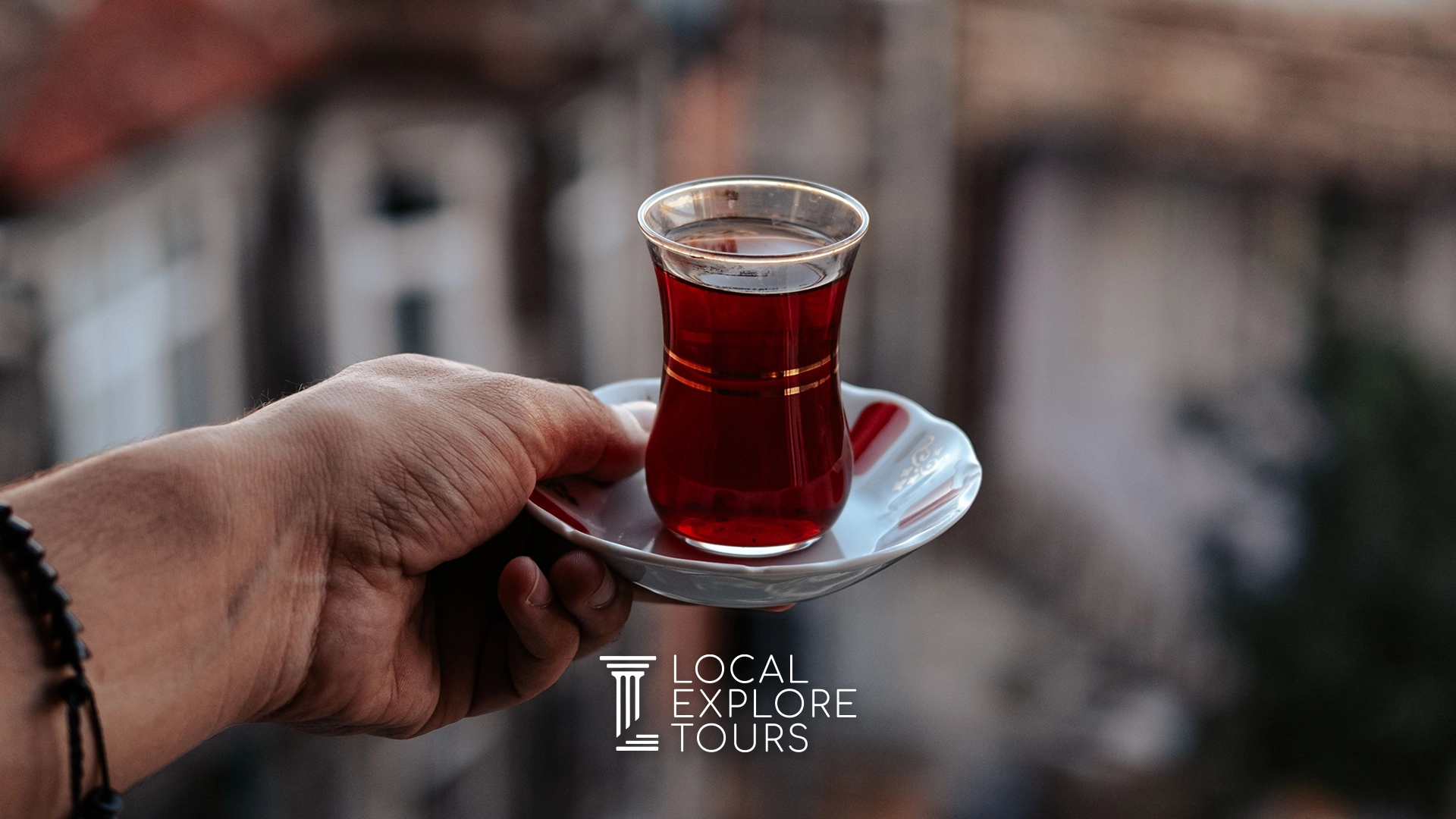
To walk through the winding streets of Istanbul, sit beside the timeless waters of Halfeti, or pause in a quiet village café in Anatolia is to be accompanied by a single, persistent sound: the delicate clinking of a miniature silver spoon against a curved glass cup. In Turkey, life does not simply move between meals or meetings; it flows between glasses of hot black tea (çay). Yet, ask any local to describe the pinnacle of a well-prepared brew, and you will inevitably hear an evocative, centuries-old idiom: "Tavşan kanı"—literally translated as rabbit’s blood. To the uninitiated traveler, the metaphor sounds startling. But to anyone who understands the poetic heart of Turkish culture, "tavşan kanı" is the highest possible praise. It refers neither to animals nor folklore, but to an exacting aesthetic standard: a tea brewed to a luminous, crystal-clear, deep ruby-red hue, devoid of cloudiness or harsh bitterness. It is the visual and sensorial benchmark of mastery, patience, and hospitality.
Read article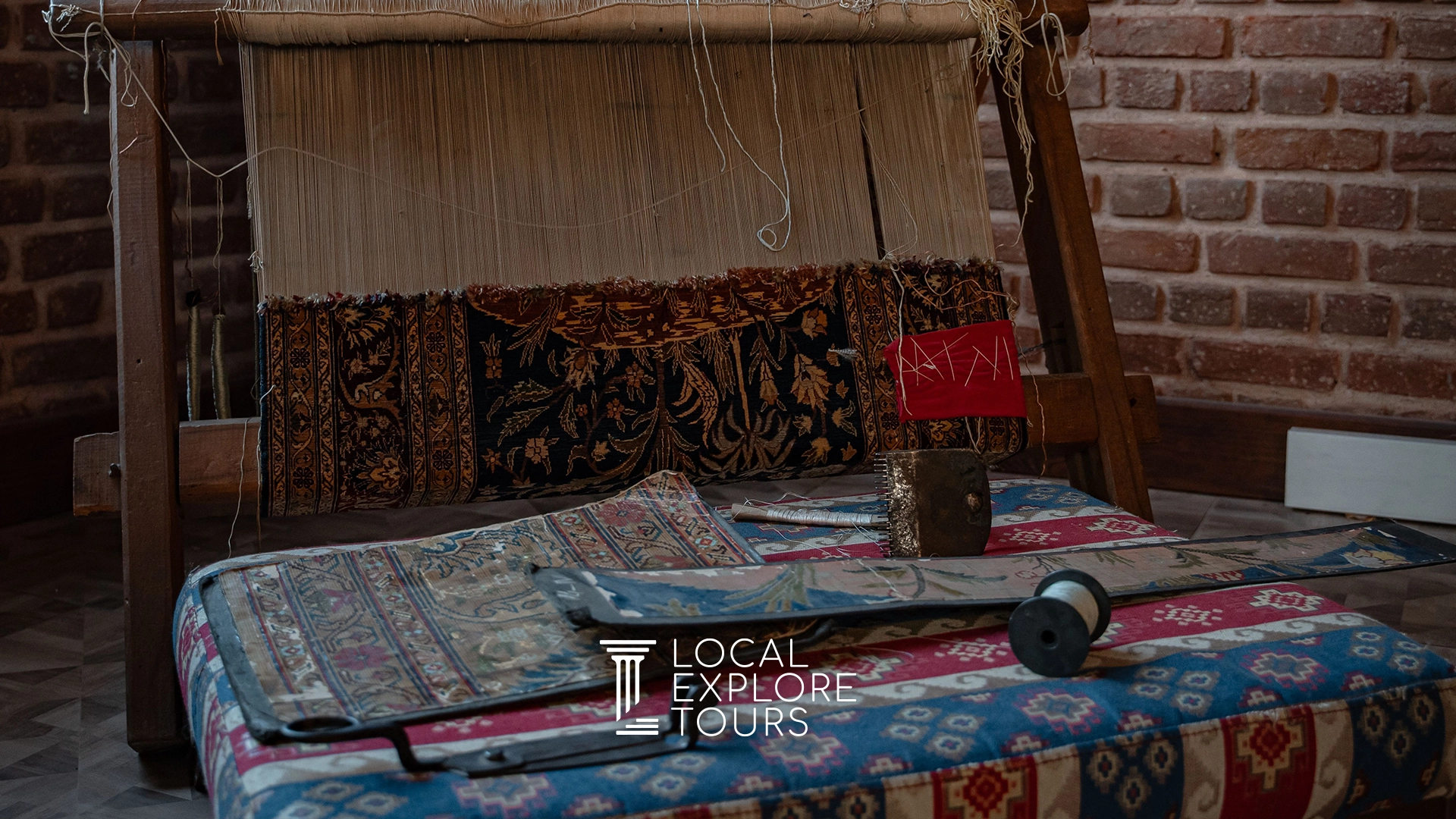
Long before modern nation-states drew geopolitical borders, the high plateaus and fertile river valleys of Anatolia formed the ultimate crossroads of human civilization. Here, nomadic pastoralists encountered deep-rooted urban empires, Greek philosophy met Mesopotamian mysticism, and eastern trade winds brushed against western trade routes. While stone monuments, sunken ruins, and amphitheaters offer glimpses into this layered past, one of Anatolia’s most intimate archives was never carved from marble or cast in bronze. It was spun from wool, dyed with local roots, and tied knot by double knot on wooden looms. When you look closely at an authentic handmade Anatolian carpet, you are not merely admiring Turkish folk art or floor decor. You are decoding the layered archives of world history. Every motif, naturally derived pigment, and symmetrical knot carries echoes of ancient fertility rites, nomadic endurance, celestial geometry, and empires that shaped the Mediterranean basin.
Read articleShare your travel style and we will craft a tailored itinerary that connects this destination with complementary experiences.