Reading the Sacred Geometry and Civilizations of Anatolian Carpets
Discover the sacred geometry, ancient motifs, and living history woven into Anatolian carpets. Explore Turkey's rich textile heritage with Local Explore Tours.
The Living Archive: A Continuity Across 9,000 Years
The craft of weaving in Asia Minor predates classical antiquity by thousands of years. In central Turkey, the Neolithic settlement of Çatalhöyük (dating to roughly 7000 BCE) revealed wall frescoes featuring geometric patterns, diamond lozenges, and stylised female deities that bear an uncanny resemblance to traditional Anatolian kilim motifs still woven today.
When Turkic nomadic tribes migrated westward across Central Asia onto the Anatolian plateau around the 11th century, they brought with them sophisticated horizontal looms and portable weaving traditions refined by nomadic survival. Crucially, they did not erase the aesthetic memory of the lands they settled.
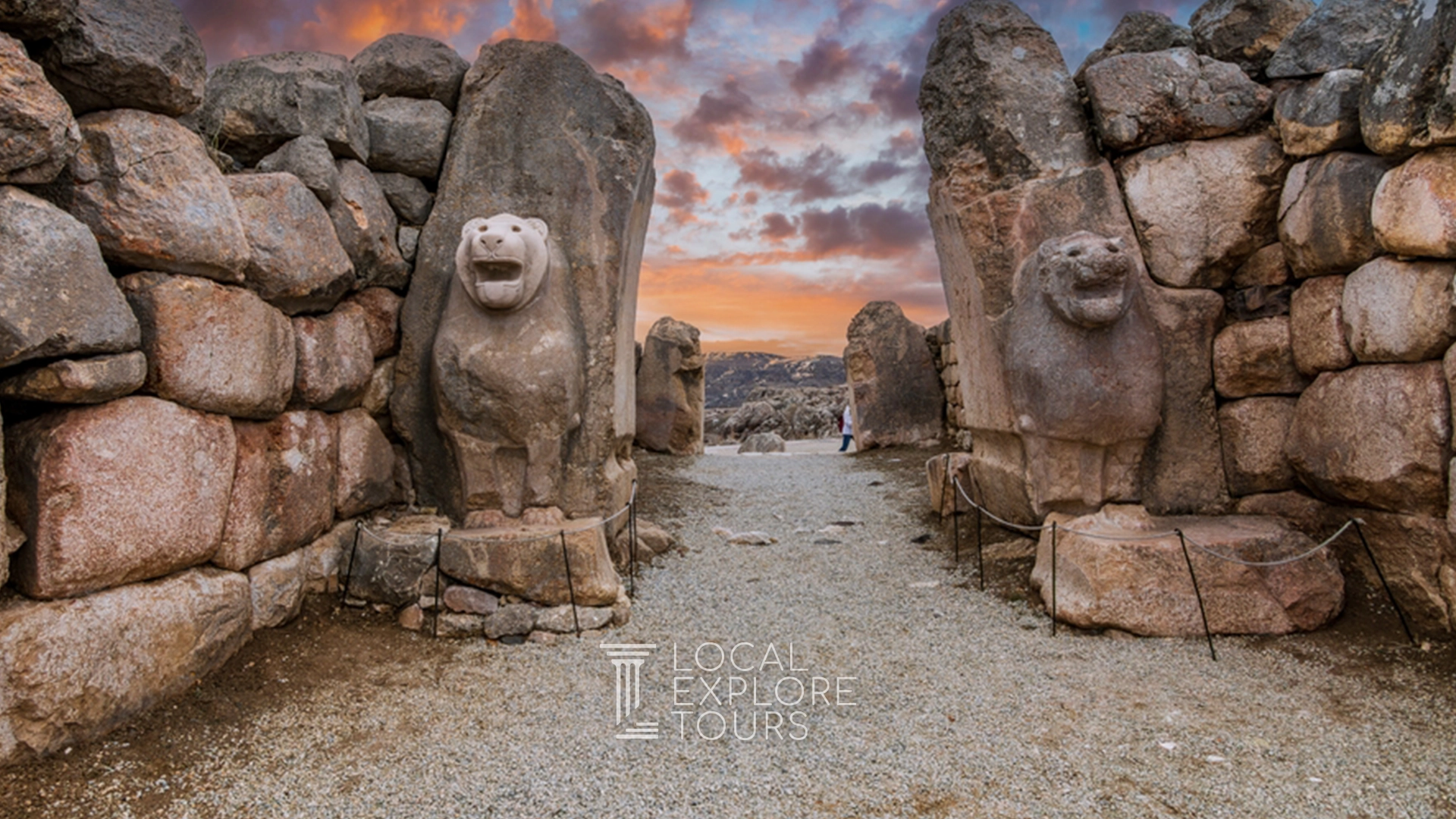
Instead, nomadic weavers synthesized their own animistic, shamanic iconography with the remnants of Hittite symbolism, Urartian cosmology, Phrygian myth, and Byzantine grandeur. This cultural syncretism was bound together with the unique Gördes knot—the world-renowned Turkish double knot—creating textiles engineered to outlast generations.
Deciphering the Motifs: The Language of the Loom
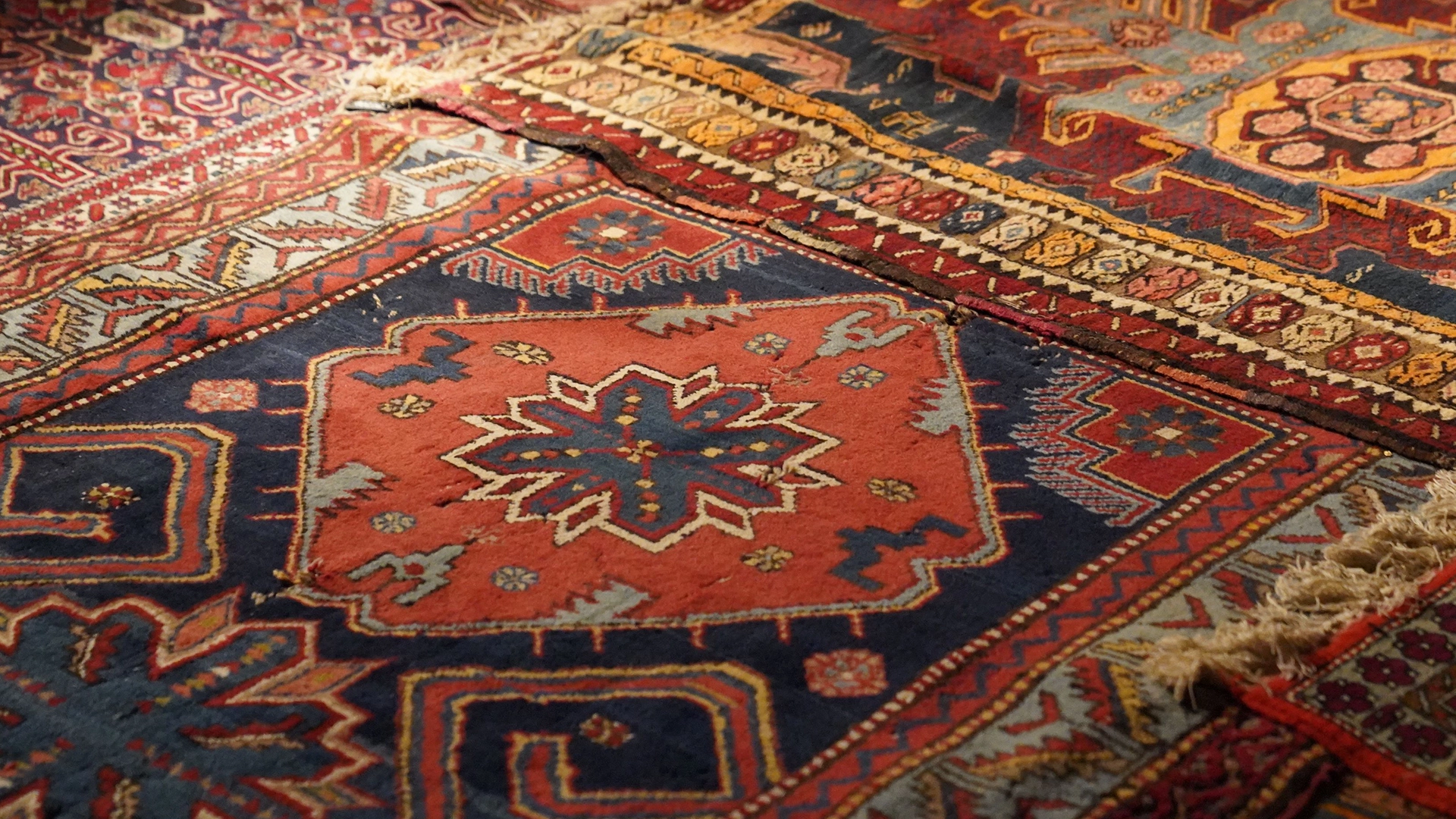
In traditional Anatolian societies, rugs served as a woman’s silent voice, a diary, and a protective talisman. Illiterate in formal text, village weavers communicated lineage, grief, longing, faith, and cosmic order through universal geometric pictograms.
The Goddess and Fertility: Eli Belinde (Hands on Hips)
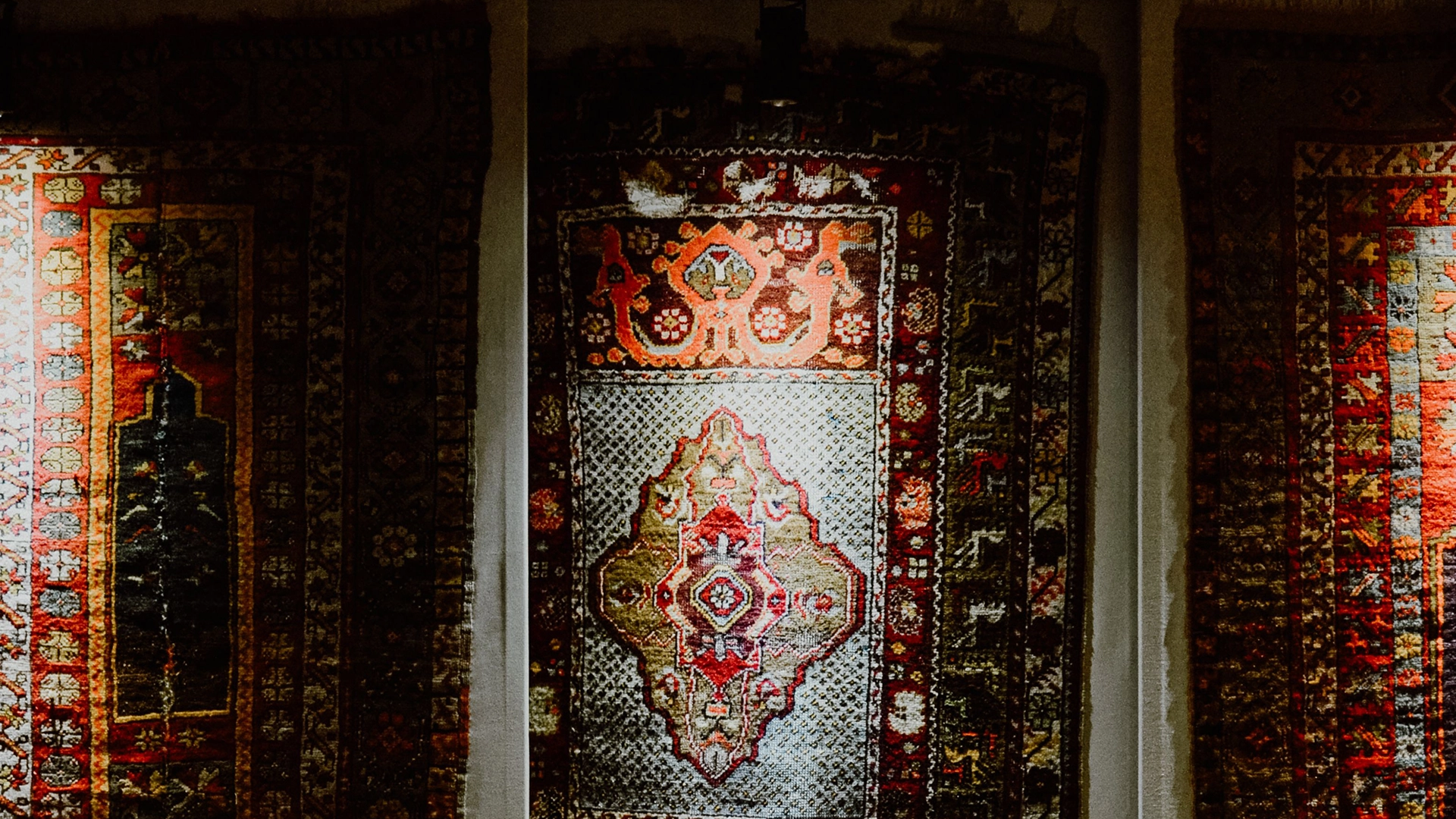
Perhaps the most famous motif across Anatolia, the stylized silhouette of a woman resting her hands upon her hips, traces directly back to the Mother Goddess cults of Çatalhöyük and Phrygian Cybele. It represents motherhood, abundance, fertility, and the perpetual cycle of generation.
Continuity and Transcendence: Hayat Ağacı (The Tree of Life)
Rooted firmly in Mesopotamian lore and shared across Urartian, Persian, and Anatolian cultures, the Tree of Life bridges the underworld, earthly existence, and the heavens. Often flanked by guardian birds, this motif reminds the observer that mortal life connects directly to the infinite cosmos.
Protective Wards: Göz (The Eye) and Muska (The Amulet)
Belief in the malevolent glare of envy—the evil eye—permeates Mediterranean history. Weavers counteracted negative energy by embedding geometric diamond "eyes" or triangular amulet shapes into borders and central fields, transforming everyday household rugs into spiritual shields for families.
Celestial Geometry: Medallions and Stars
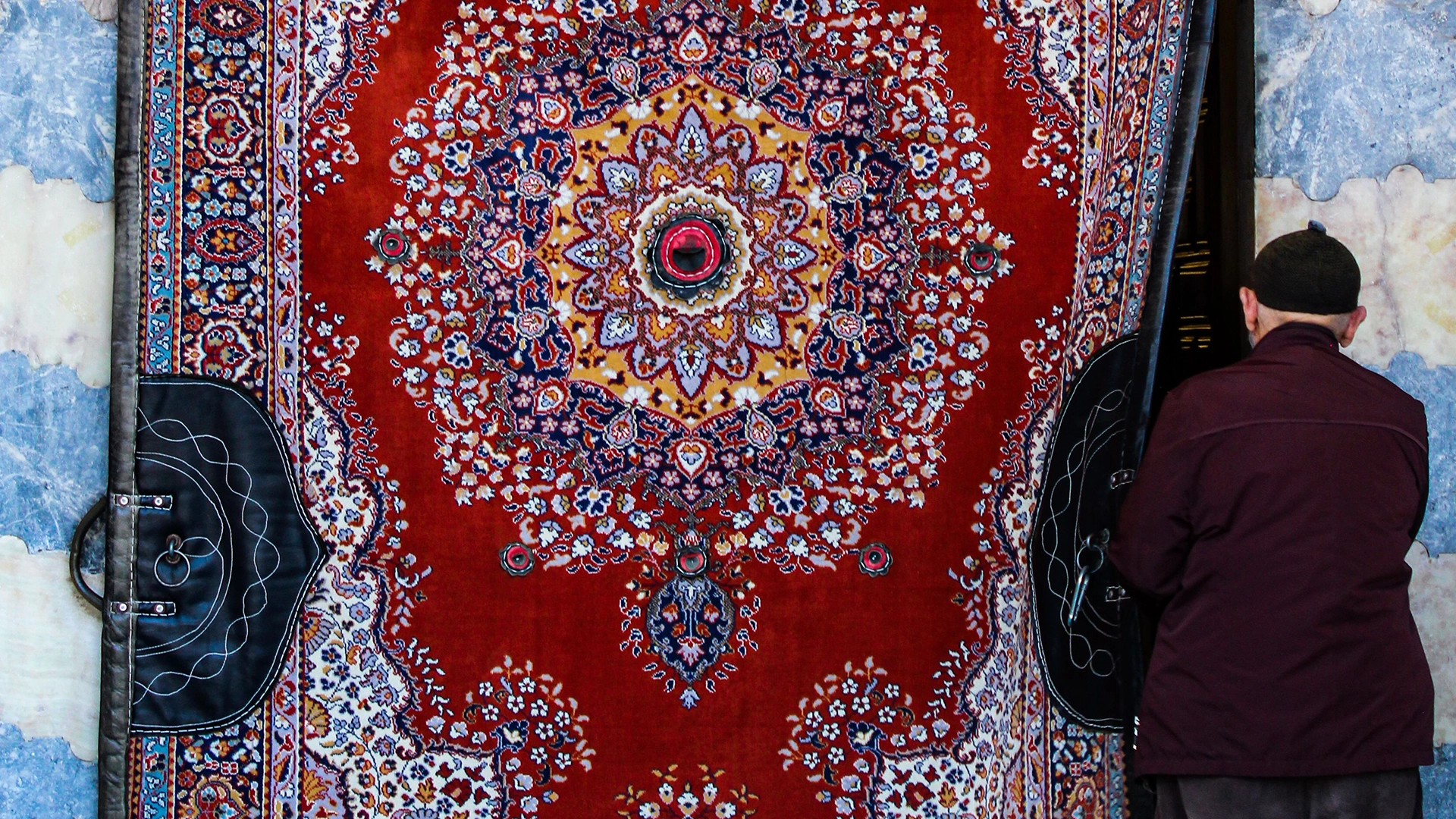
The large central medallions (göl) and eight-pointed stars found in both prayer rugs and village carpets reflect deep mathematical sophistication. These forms echo the celestial dome architecture of Byzantine churches, the tilework of Seljuk caravanserais, and the astrological precision of Islamic scholars who mapped the heavens from Konya and Kayseri.
Earth, Root, and Mineral: The Alchemy of Natural Dyes
An authentic Anatolian carpet owes its warm, enduring depth to wild vegetation and traditional chemistry. Before the advent of synthetic, petroleum-based dyes in the late 19th century, master dyers worked strictly in harmony with seasonal flora:
Wild Madder Root (Kök Boya): Produces the iconic, luminous terracotta and deep ruby tones that define classic Turkish carpets.
Walnut Husks and Oak Galls: Impart rich earthy browns, taupes, and grounding blacks without corroding raw wool fibers.
Weld, Saffron, and Onion Skins: Yield vibrant yellows and radiant golden ambers that evoke the Anatolian sun.
Indigo: Imported along historical Silk Road branches to yield deep oceanic and midnight blues.
Because natural plant extracts absorb unevenly across hand-spun wool, each dye bath yields subtle tonal variations known as abrash. Rather than a flaw, abrash provides living proof of organic composition and individual human touch, allowing the rug to catch and reflect natural daylight dynamically throughout the day.
The Anatomy of Immortality: The Gördes Double Knot
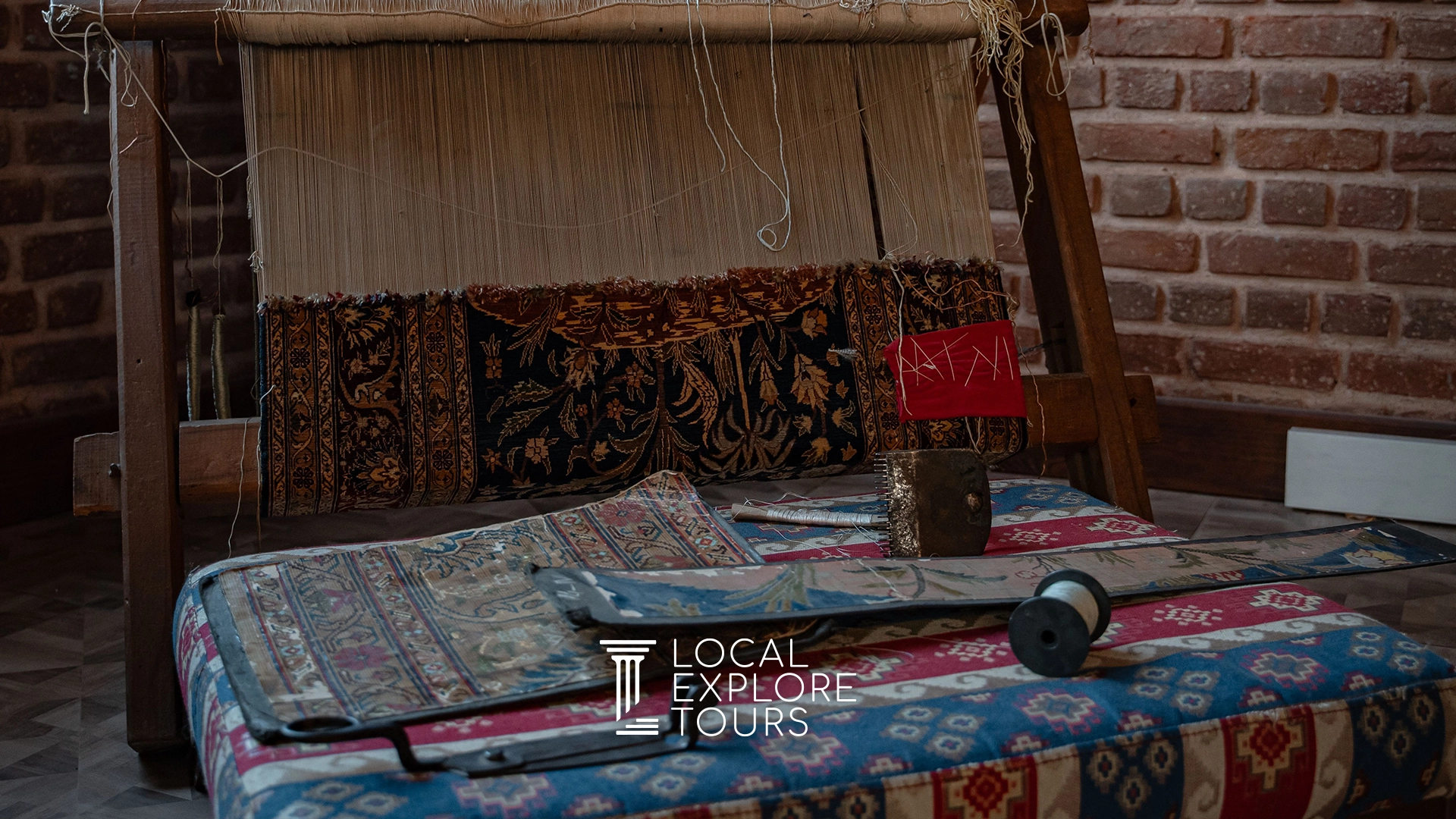
Textile connoisseurs distinguish Anatolian rugs from Persian or Central Asian counterparts primarily by the weaving technique. While Persian carpets predominantly use the asymmetric single knot (Senneh), Anatolian artisans utilize the symmetric Gördes knot.
In this method, the wool yarn wraps completely around two warp threads before being pulled tight and sheared. This structural architecture creates a firm, dense foundation:
Uncompromising Durability: The double knot resists pull and friction far better under heavy foot traffic.
Geometric Definition: Because double-knotting requires a slightly broader base, it lends itself to the bold, architectural geometry and clean iconography emblematic of Anatolian heritage.
Beyond Decor: Bringing Anatolia’s Heritage Into Your Journey
When modern travelers encounter carpets in modern retail showrooms, the experience can easily feel commercialized. Yet wandering into an authentic village weaving atelier in Cappadocia, the Aegean hinterlands, or the historical quarters of Istanbul remains one of Turkey’s most profound cultural encounters.
To purchase an authentic hand-knotted Anatolian rug is not merely to acquire an elegant home furnishing. It is an intentional act of cultural preservation:
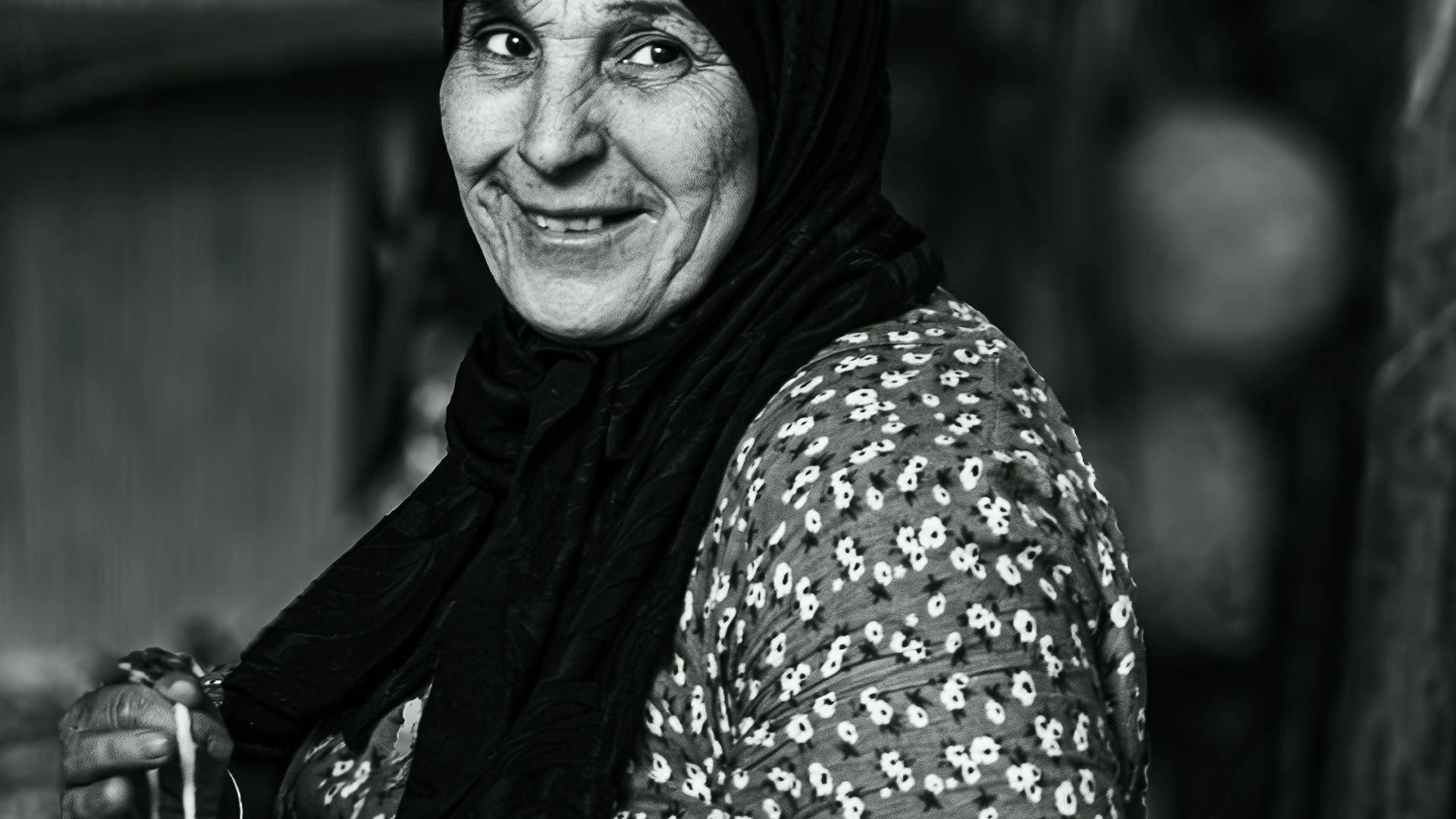
You sustain generations of female artisans keeping heritage techniques alive in rural communities.
You bring an unbroken lineage spanning Hittite, Roman, Seljuk, and Ottoman epochs directly into your living space.
You live with an original piece of human storytelling that gains character and value as the decades pass.
Experience the Living Threads with Local Explore Tours
Understanding Anatolian art requires looking past the surface. At Local Explore Tours, we design bespoke, privately guided cultural journeys that take you beyond conventional tourist paths.
Whether exploring the rock-carved landscapes of Cappadocia where cave-dwelling traditions endure, discovering the subterranean roots of Çatalhöyük with an expert archaeologist, or visiting ethical master-weaving cooperatives where master dyers prepare ancient madder cauldrons, our private itineraries connect you with the soul of Turkey.
Let us craft a journey through Anatolia’s living history tailored precisely to your curiosity.
Ready to uncover the stories woven into the fabric of Turkey?
Explore Our Bespoke Cultural Itineraries or contact our private travel specialists today to begin planning your journey.