The Palaeologan Renaissance and the Artistic Legacy of the Chora Church
Discover the zenith of Late Byzantine art. Explore the gilded frescoes and mosaics of the Chora Church, and uncover how the Palaeologan Renaissance inspired Western art.
The Palaeologan Renaissance: An Artistic Rebirth Amidst Political Decline
The sack of Constantinople during the Fourth Crusade in 1204 plunged the Eastern Roman Empire into a period of profound dark turbulence. Decades of Latin occupation stripped the city of its immense material and artistic treasures. However, when Emperor Michael VIII Palaeologos reclaimed the imperial capital in 1261, what arose from the ashes was not merely a restored political entity, but an extraordinary cultural and intellectual rebirth.
Palaeologan art was fueled by a revived passion for classical Greek philosophy, literature, and humanism. Within this refreshed aesthetic framework, artistic figures broke free from the rigid, two-dimensional constraints of the early medieval period. Human forms gained sculptural depth, facial expressions conveyed genuine human emotion, and narrative compositions acquired unprecedented spatial vitality.
For the first time in Byzantine art history, three core innovations emerged:
Spatial Depth: Flat, monochrome backgrounds gave way to architectural structures, natural landscapes, and early experiments with linear perspective.
Dramatic Narrative: Sacred scenes evolved beyond symbolic representations to capture the intense human drama, grief, and jubilation of the divine events.
Fluidity and Motion: Drapery foldings, bodily postures, and expressive hand gestures infused compositions with an energetic, rhythmic vitality.
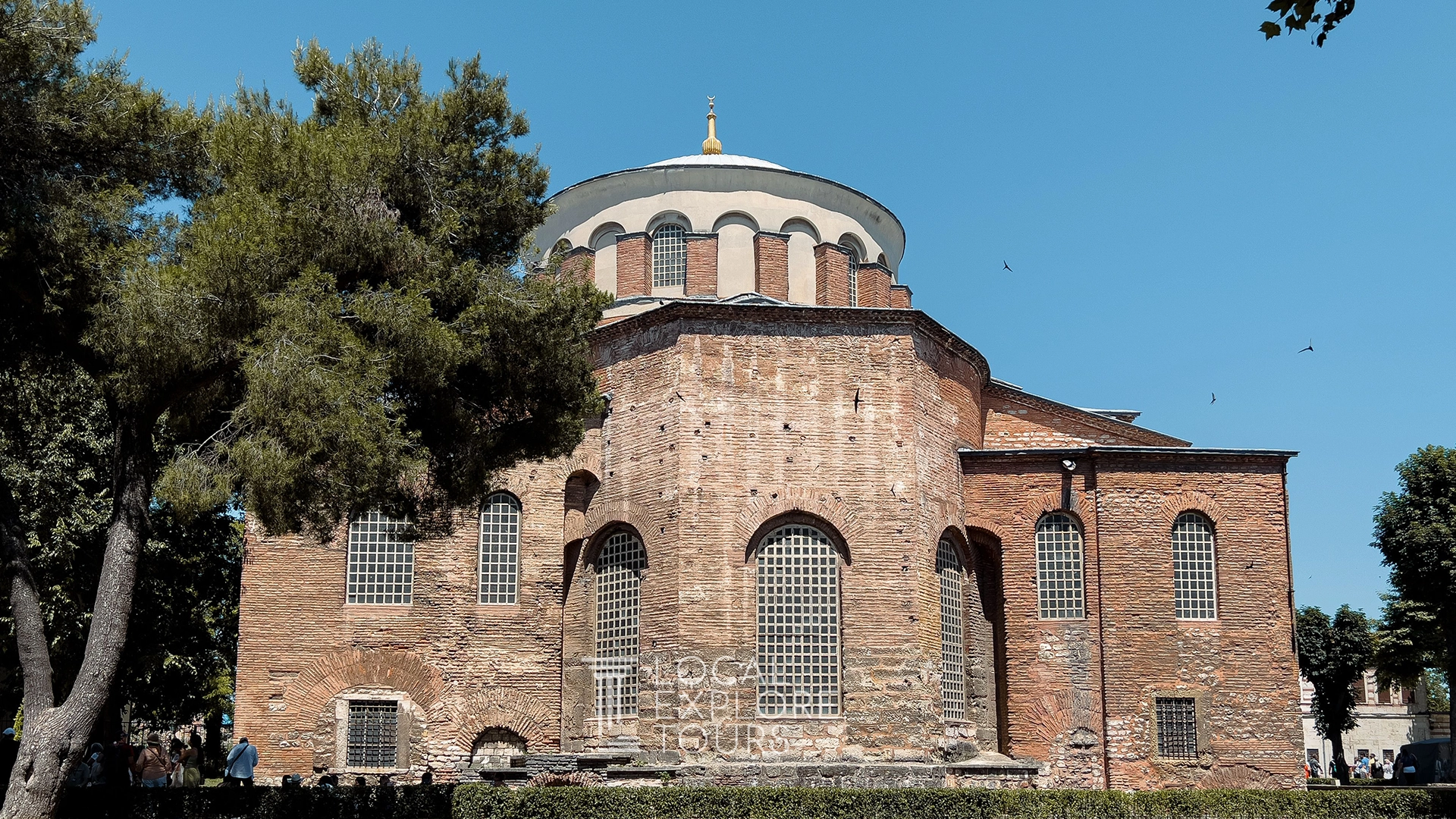
The Chora Church: The Zenith of Late Byzantine Masterpieces
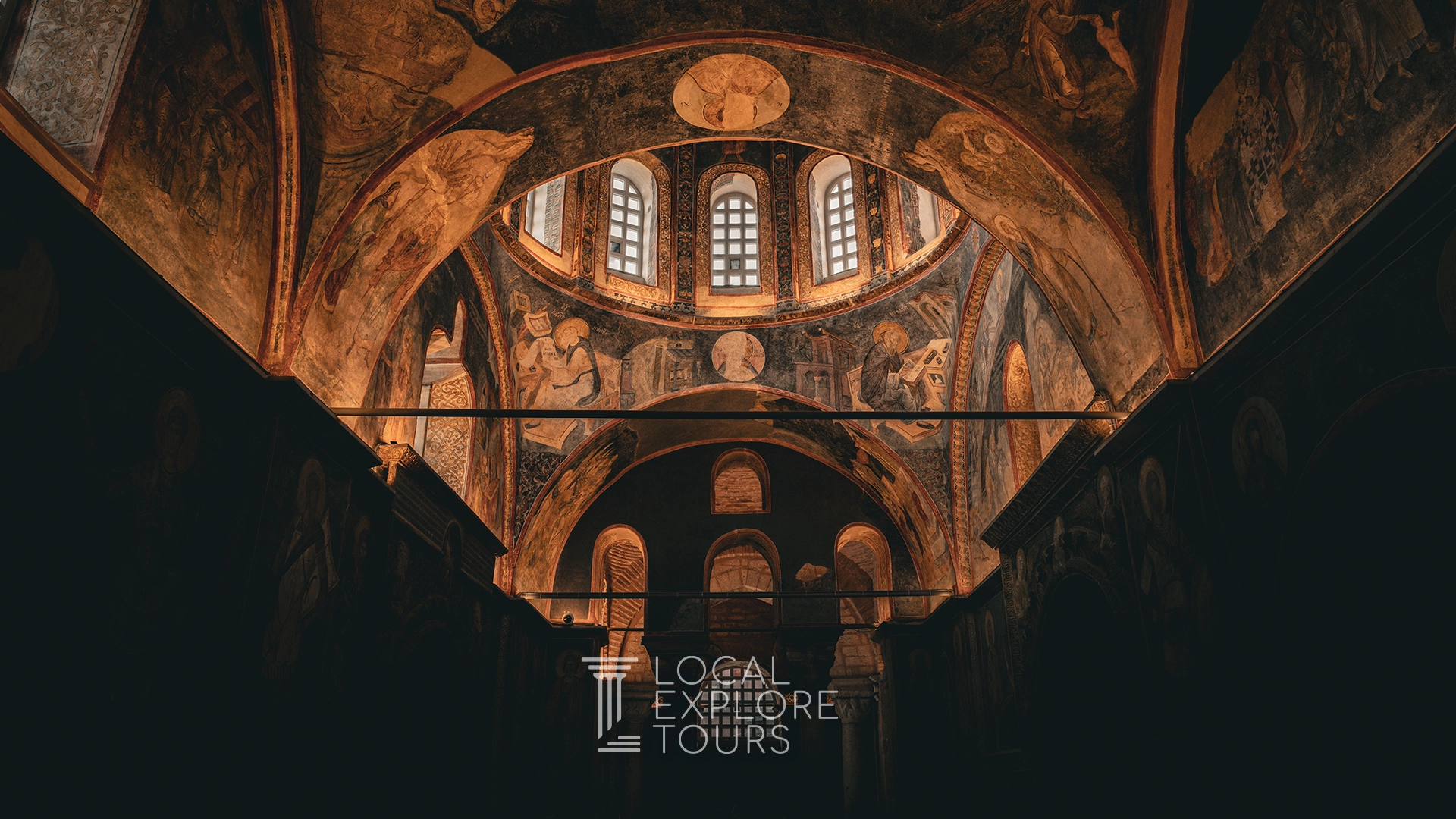
No monument on earth preserves the spirit of the Palaeologan Renaissance with such breathtaking completeness as the Chora Church. Rebuilt and lavishly decorated between 1315 and 1321 by Theodore Metochites—the Grand Logothete (prime minister), scholar, and leading humanist of his era—Chora represents the absolute peak of Late Byzantine artistic achievement.
Stepping into the interior of Chora wraps visitors in a shimmering golden atmosphere coupled with profound emotional resonance. While the glowing mosaics of the narthexes depict the detailed narrative cycles of the lives of Christ and the Virgin Mary, the fresco program in the funerary side chapel—the Parekklesion—delves into themes of resurrection, mortality, and final judgment.
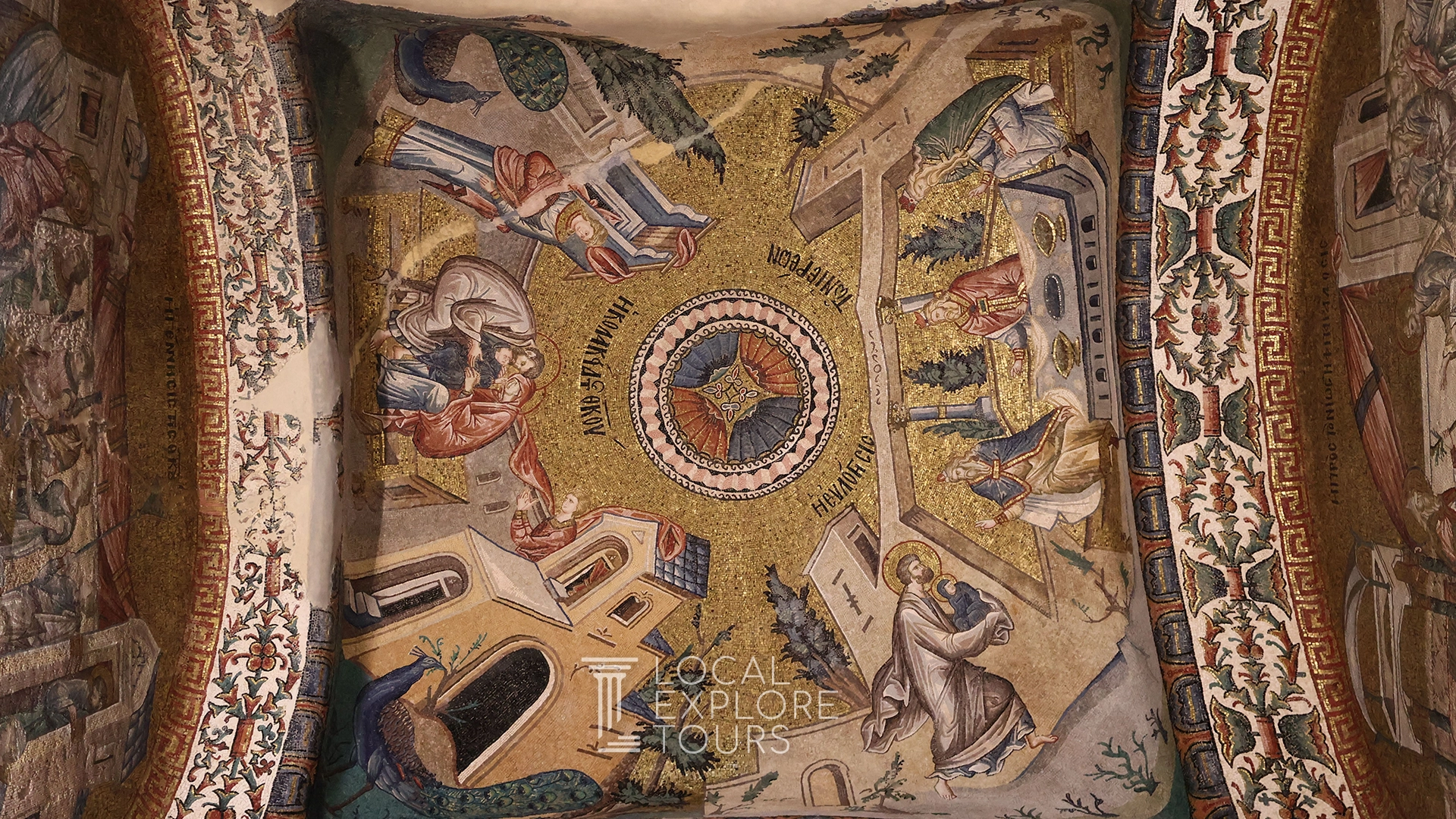
The Parekklesion and the "Anastasis" Fresco: The Light of the Human Spirit
The Anastasis (The Resurrection) fresco in the apse of the Parekklesion is widely regarded not only as a masterpiece of Byzantine heritage, but as one of the most powerful artistic compositions in global art history.
In this monumental scene, Christ tramples the shattered gates of Hades, standing victorious over death. With dynamic grace, he grasps Adam with his right hand and Eve with his left, pulling them forth from their tombs. The dramatic impact of this fresco lies in the kinetic energy of Christ’s flowing white garments and the deeply human expressions of hope and vulnerability etched onto the faces of Adam and Eve. The sense of movement and volumetric weight achieved here runs strikingly parallel to the revolutionary work Giotto was executing around the same time in the Scrovegni Chapel in Padua.
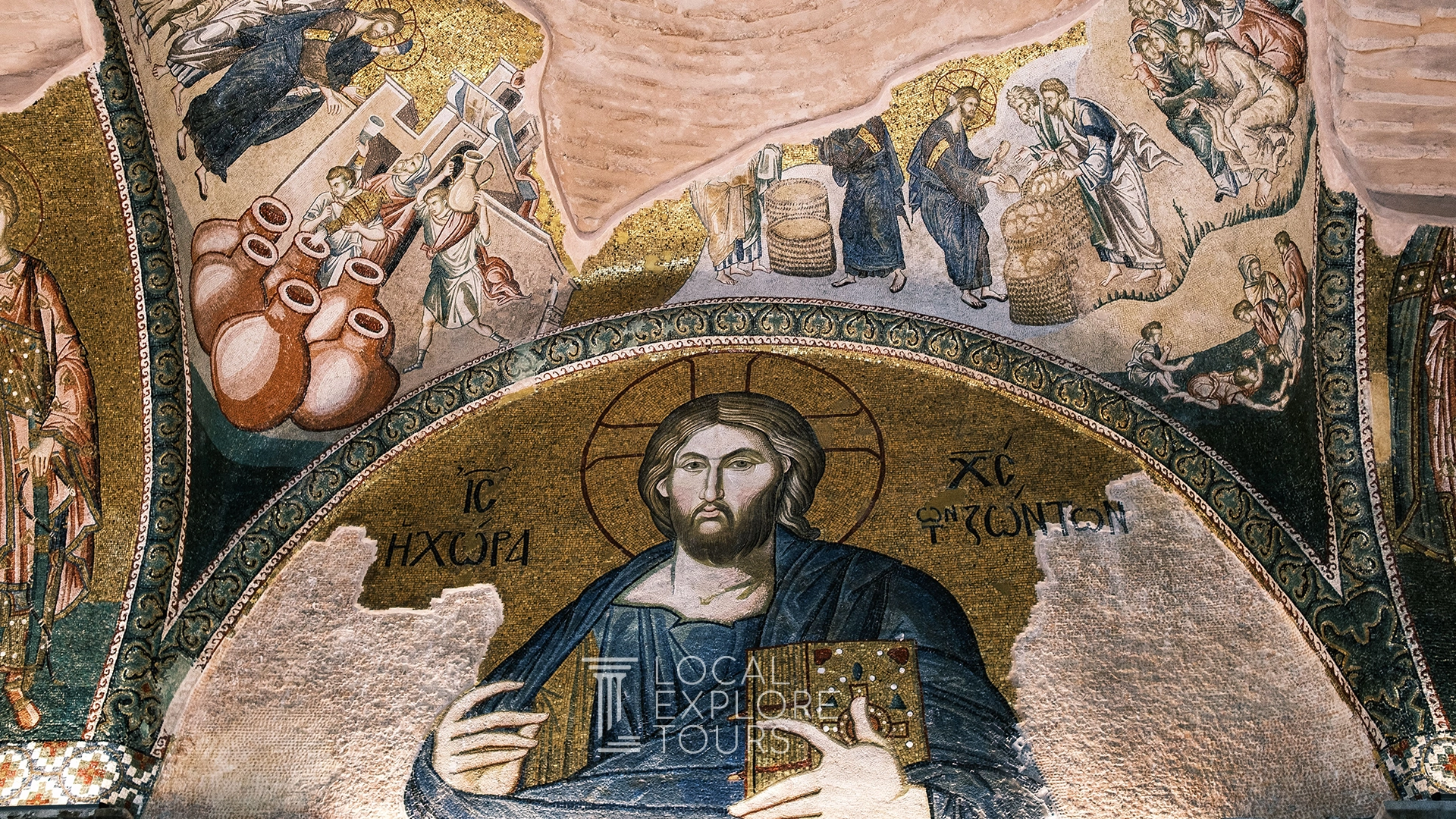
Bridging East and West: The Quiet Inspiration Behind Italian Art
For centuries, Eurocentric art history narratives framed the Italian Renaissance as a spontaneous, self-contained miracle. However, modern art historians and scholars increasingly emphasize a crucial truth: The Palaeologan Renaissance was a profound, quiet force that helped nourish and shape the very foundations of Western European art.
Throughout the 13th and 14th centuries, continuous diplomatic, commercial, and intellectual exchanges between Constantinople, Venice, Genoa, and Florence fostered intense cultural permeability. Pioneers of the Italian Proto-Renaissance—such as Cimabue, Duccio, and Giotto—drew heavy inspiration from the emotional realism, spatial depth, and humanist warmth pioneered by Late Byzantine masters.
The weight given to Giotto’s figures, the emotional vulnerability portrayed in early Renaissance faces, and the evolution of narrative art were logical extensions of the aesthetic breakthroughs shimmering on the walls of Chora. Following the fall of the city in 1453, the exodus of Byzantine scholars and artists westward carried this intellectual torch directly into Western Europe, fueling the flowering of the High Renaissance.
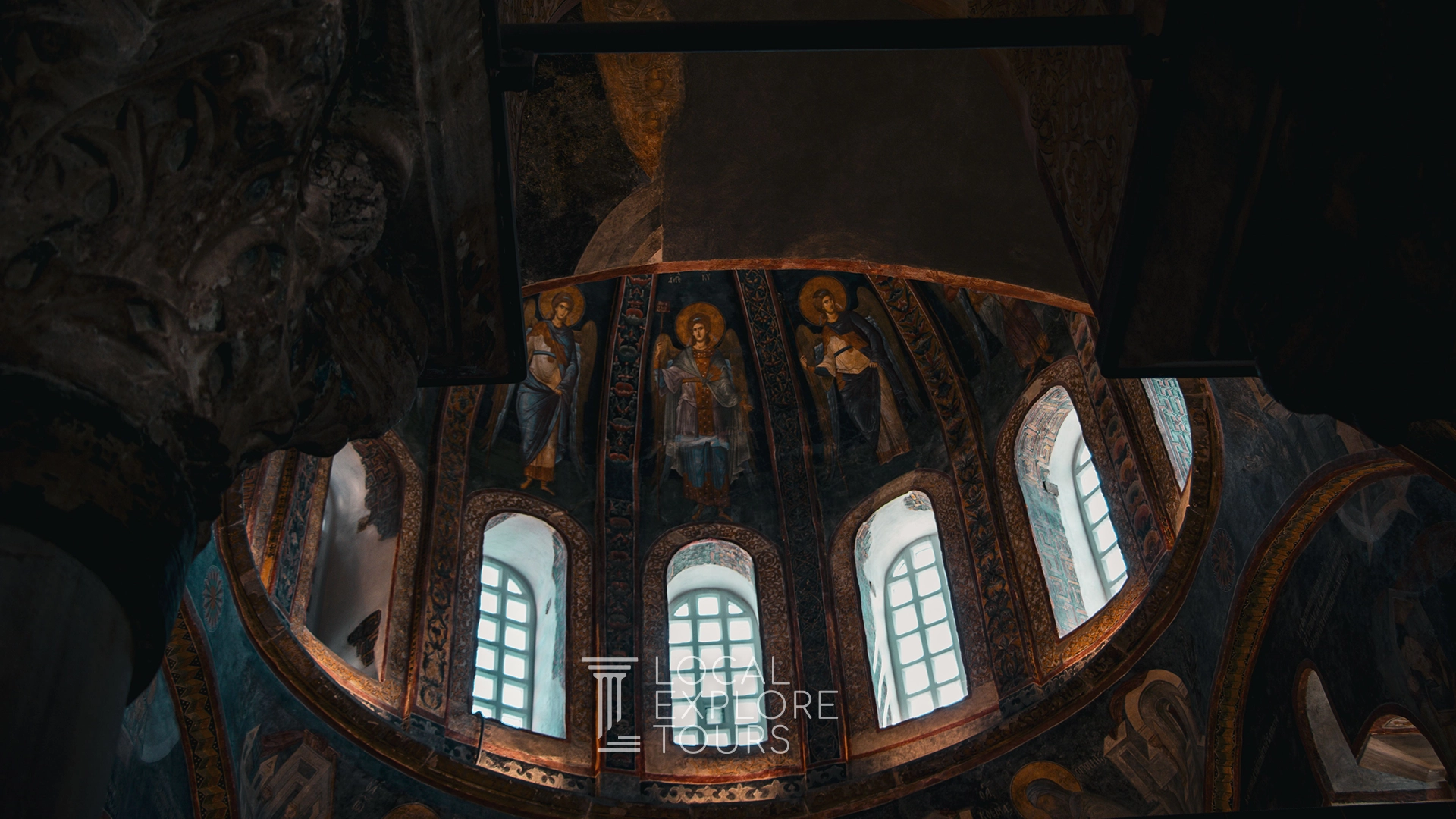
Experiencing History Beyond the Surface
The gilded mosaics and emotionally resonant frescoes of the Chora Church are far more than relics of a vanished empire. They are profound expressions of the human spirit, faith, and the eternal quest for artistic truth. To truly understand these masterpieces requires looking beyond the stone and gold to feel the monumental historic crossroad where East met West.
History deserves to be explored not through rushed sightseeing, but with the scholarly depth, expert curation, and artistic nuance it demands.
At Local Explore Tours, we curate private cultural journeys designed to unveil the rich historical tapestry, architectural marvels, and artistic depths of Istanbul and Anatolia. Trace the footsteps of the Palaeologan Renaissance, immerse yourself in the transcendent atmosphere of the Chora Church, and uncover the stories that shaped world heritage.
Click the link in our bio to explore our meticulously curated art history itineraries and experience history with Local Explore Tours.