The Roots of Commerce in Anatolia
The Obsidian Trade
What is Obsidian? The Prehistoric High-Tech Material
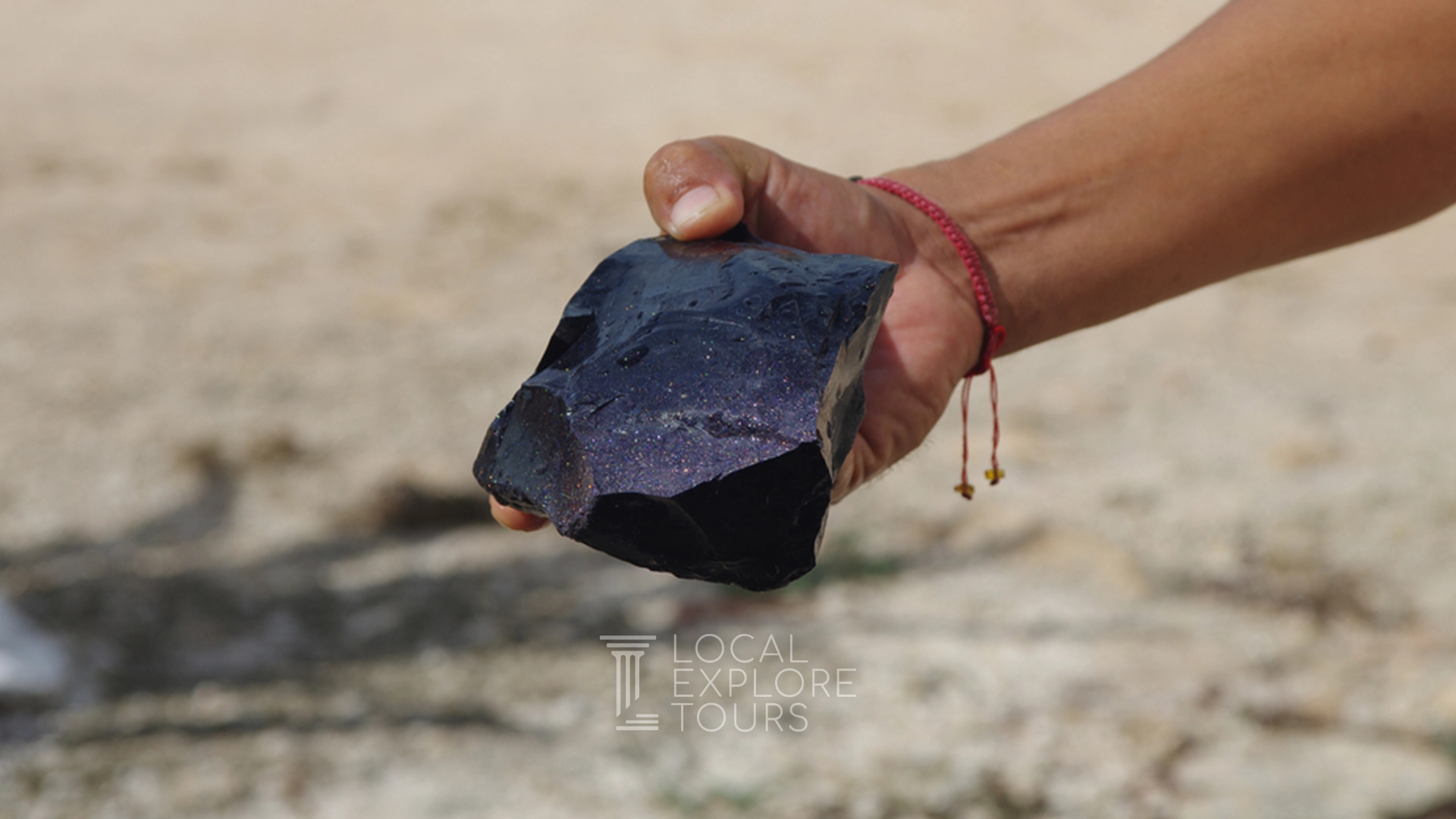
To understand why ancient societies were utterly obsessed with obsidian, one must understand its unique physical properties. Obsidian is a naturally occurring volcanic glass formed when felsic lava cools rapidly with minimal crystal growth.
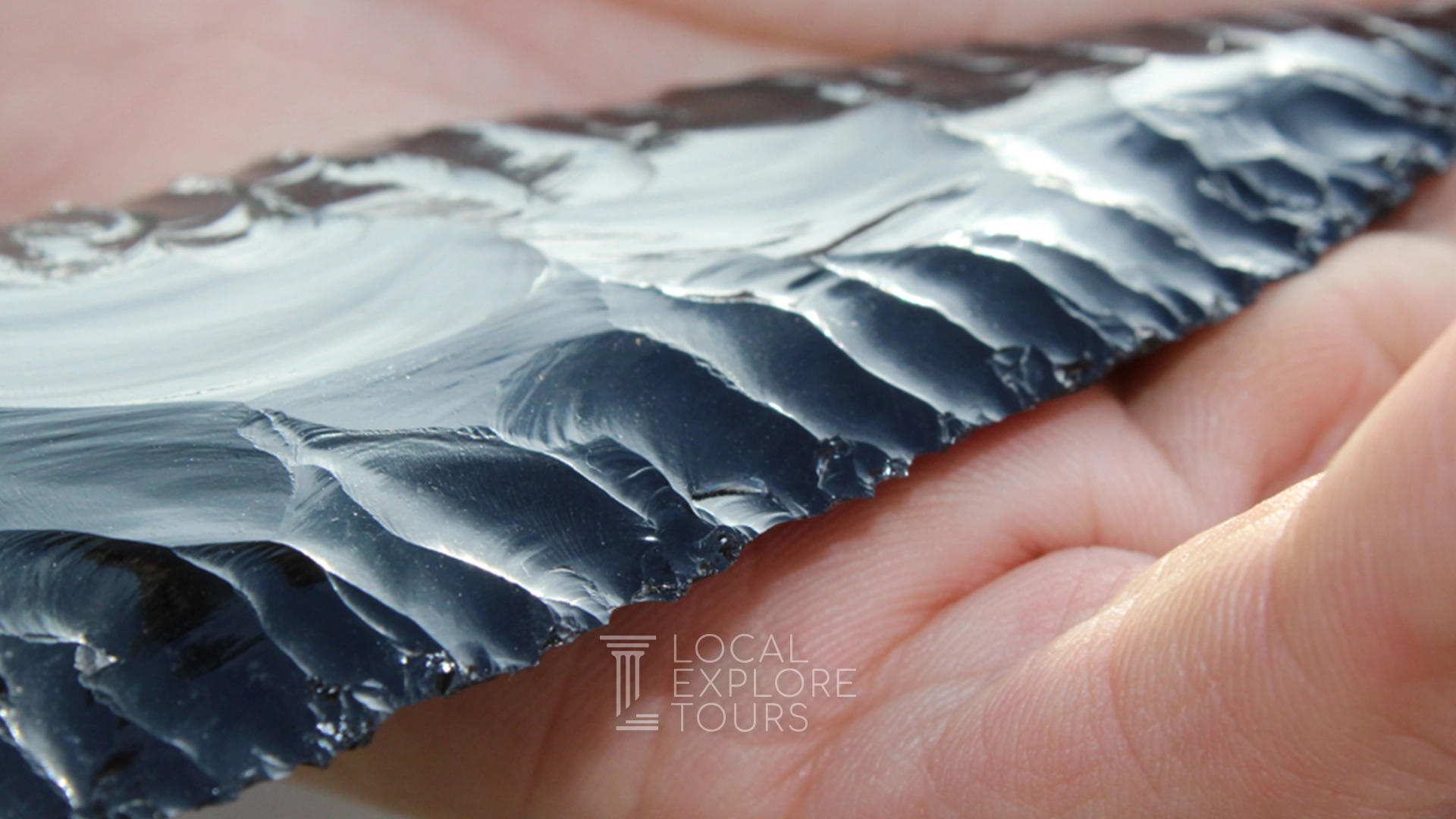
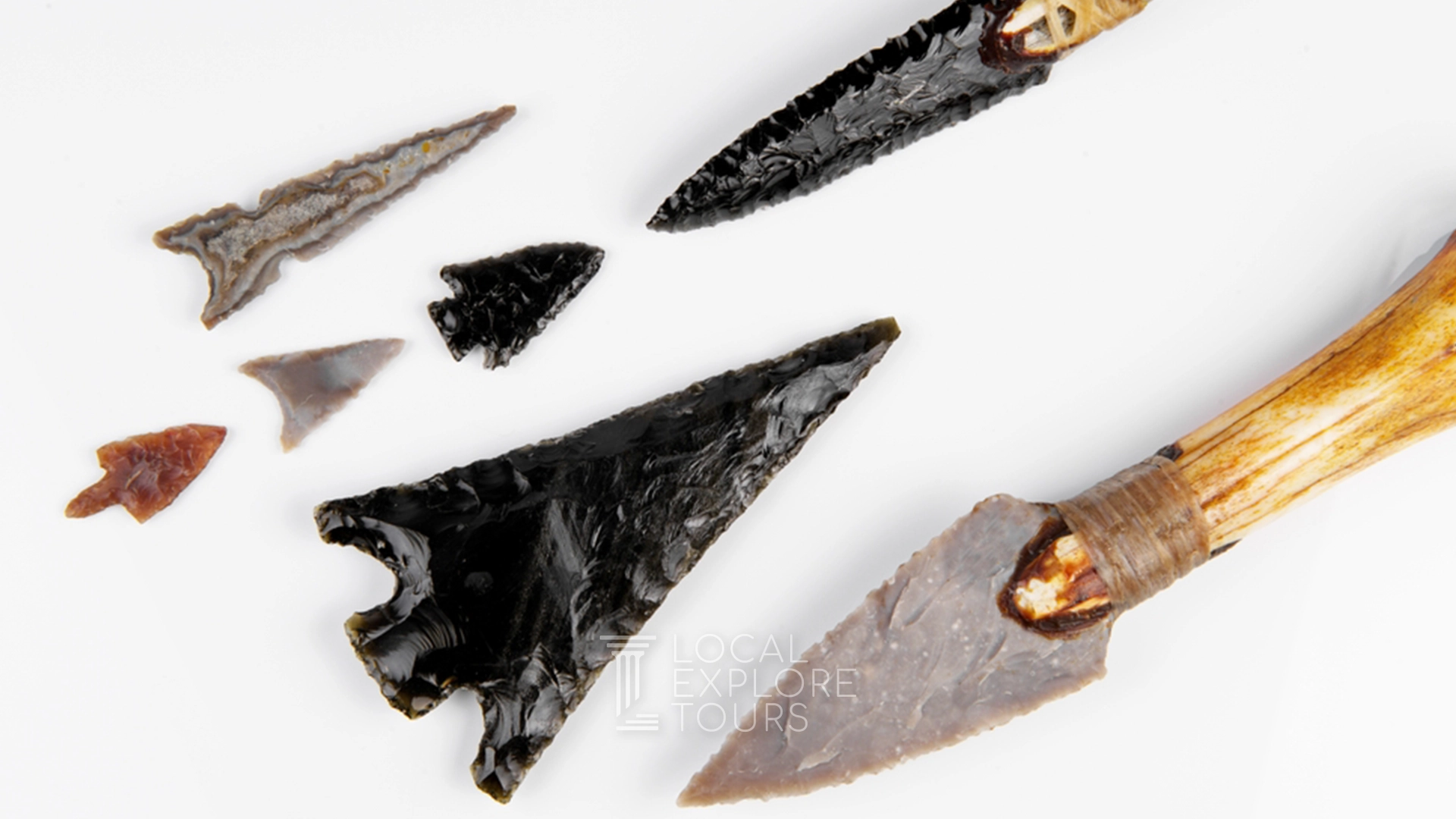
Because it lacks a crystalline structure, obsidian fractures with extremely sharp edges through a process known as conchoidal fracturing. In an era before iron, bronze, or steel, an obsidian blade was the sharpest tool on Earth—capable of cutting down to a molecular level. For Neolithic hunter-gatherers and early farmers, it was an indispensable high-tech material used for crafting:
Precision hunting weapons (arrowheads and spear points)
Surgical tools for early medical procedures
Ritualistic mirrors and luxury decorative items
Anatolia, particularly the regions around Göllü Dağ and Nenezi Dağ in Cappadocia, as well as areas around Lake Van (such as Bingöl and Nemrut Dağ), possessed some of the richest and highest-quality obsidian deposits in the Old World.
The Birth of the First Supply Chain: From Cappadocia to the Levant
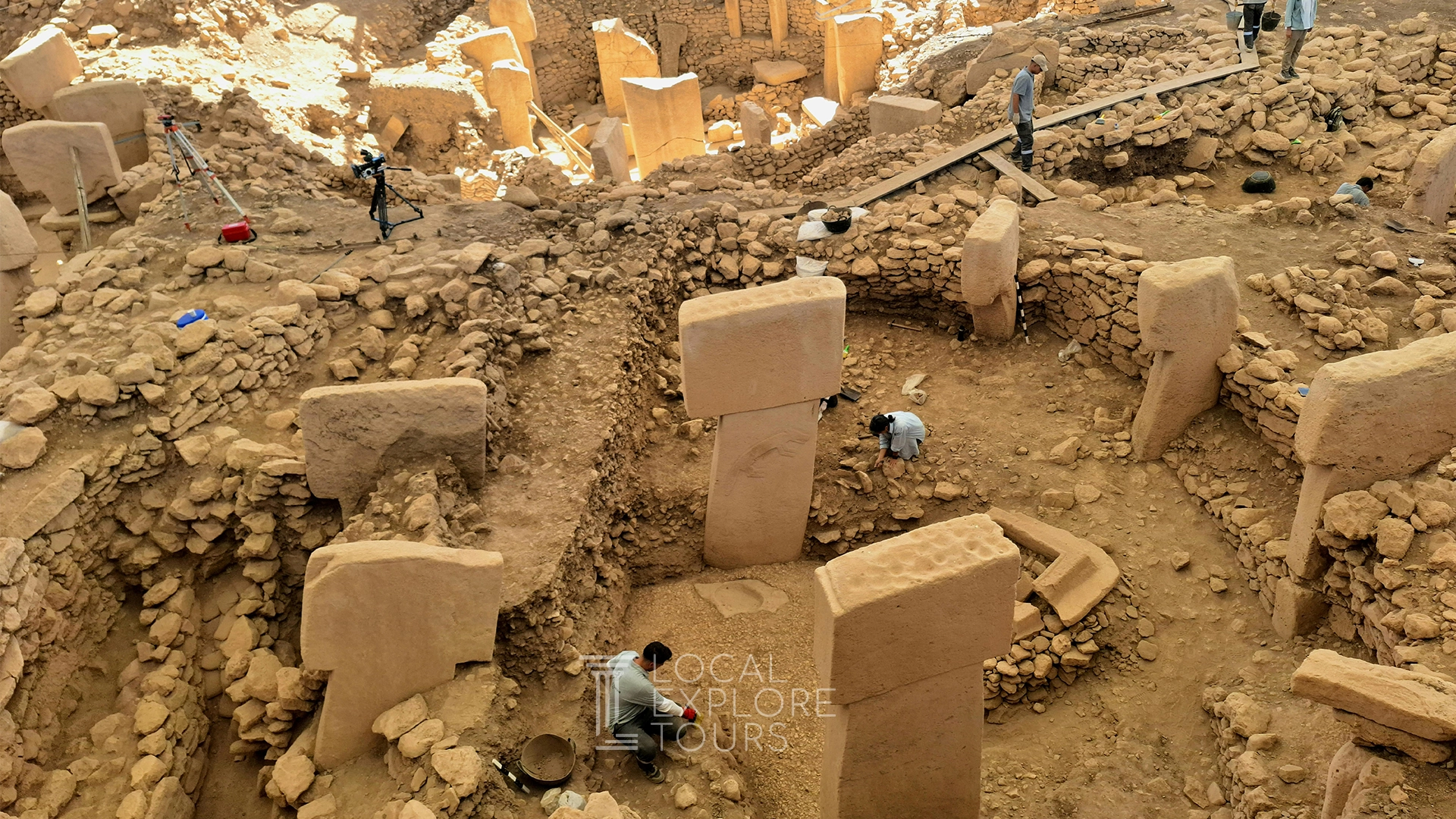
The story of the world's first economy begins at the source. Neolithic communities living near Anatolia's volcanoes did not merely collect obsidian for personal survival; they turned it into a highly organized, regional industry. Recent archaeological excavations at quarry sites like Göllü Dağ have revealed prehistoric workshop floors littered with millions of pieces of knapping debris, proving that large-scale manufacturing was taking place as early as 8000 BCE.
Once mined and shaped into raw cores or semi-finished blades, this volcanic wealth had to travel. Without pack animals or wheeled vehicles, ancient traders carried these heavy stones on their backs, navigating treacherous mountain passes and river valleys.
Through a complex network of "down-the-line" trade and direct expeditions, Anatolian obsidian traveled astonishing distances. Archaeologists have tracked Cappadocian obsidian directly to iconic Neolithic settlements across the Near East, including:
Jericho (Palestine)
Çatalhöyük (Central Anatolia)
Ain Ghazal (Jordan)
Early Ubaid settlements in Mesopotamia (Iraq)
This multi-directional flow of goods represents the earliest verifiable long-distance trade network in human history.
Why Obsidian Was the "Bitcoin" of the Neolithic Era
Calling obsidian the "Bitcoin of the Neolithic" is more than just a catchy phrase; the economic parallels are remarkably accurate.
Scarcity and Provenance
Just like cryptocurrency, the value of obsidian was driven by its relative scarcity and the difficulty of its acquisition. Not all volcanic glass is created equal; chemical compositions vary wildly between different volcanic flows. Because every obsidian source has a unique chemical "fingerprint," modern scientists can use X-ray Fluorescence (XRF) analysis to determine exactly which volcano a specific arrowhead found in Israel or Iraq came from.
To an ancient person, possessing a shiny piece of translucent, dark green obsidian from the distant mountains of Eastern Anatolia was a supreme status symbol. It demonstrated that the owner had access to an exclusive, elite network of wealth and prestige.
The Velocity of Ideas
Just as modern financial networks accelerate the exchange of global communication, the ancient obsidian trade routes acted as the information superhighways of prehistory. Traders didn’t just swap stones for grain, textiles, or sea shells; they shared architectural concepts, spiritual beliefs, agricultural techniques, and linguistic traits. The wealth generated by Anatolia’s volcanic glass laid the social and economic foundations that allowed magnificent mega-sites like Çatalhöyük to thrive for over a thousand years.
Walking the Ancient Trails with Local Explore Tours
At Local Explore Tours, we design bespoke, private itineraries that take you beyond the standard tourist tracks. If you are fascinated by the intersection of geology, economics, and ancient human ingenuity, we invite you to walk the very landscapes that shaped the world’s first economy.
On our customized cultural expeditions through Central Anatolia and Cappadocia, you can:
Visit the breathtaking volcanic craters of the region and see raw obsidian glistening in the sun.
Explore the magnificent Museum of Anatolian Civilizations in Ankara, which houses some of the world’s finest collections of Neolithic obsidian tools, mirrors, and treasures.
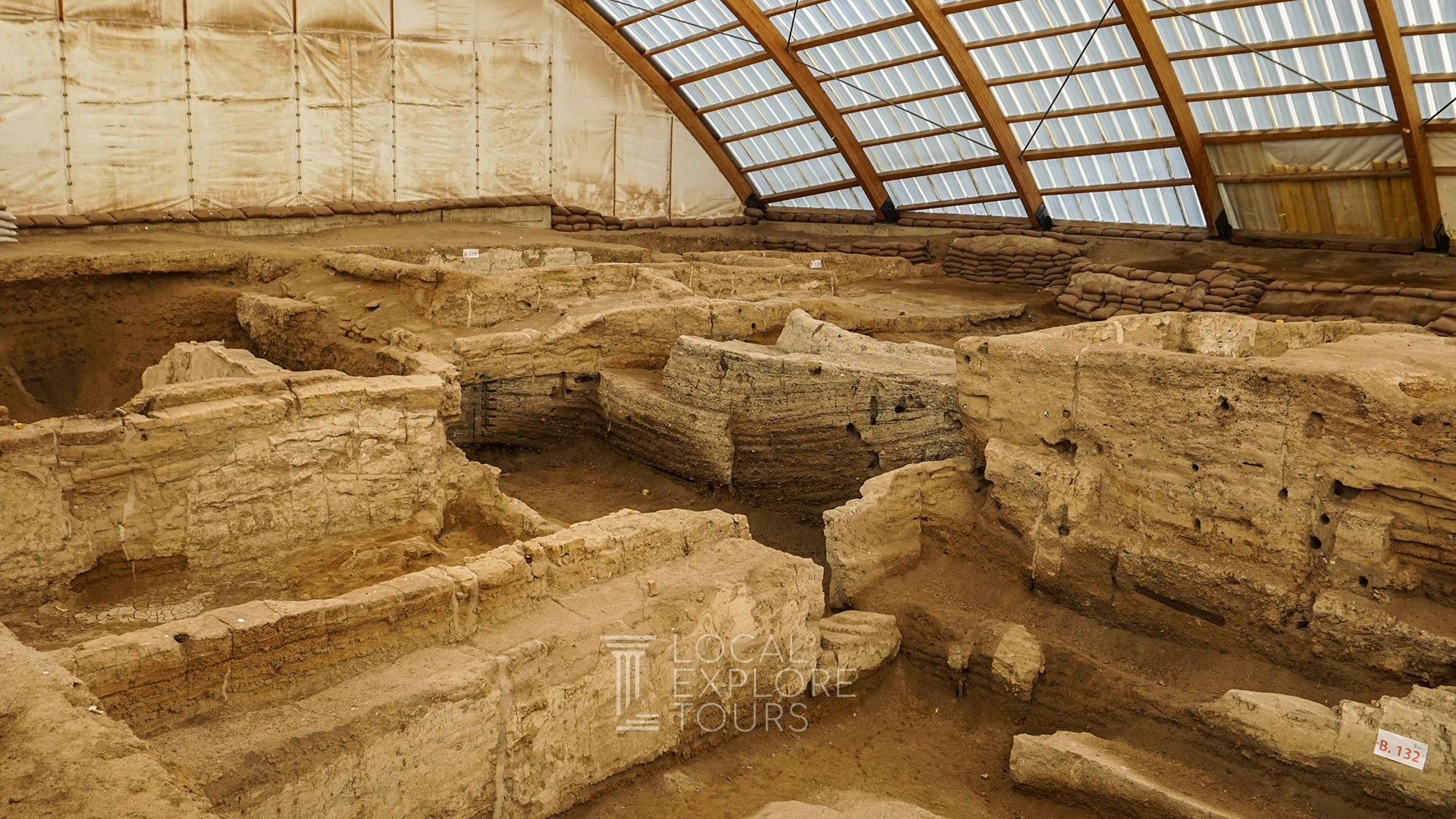
Walk through the preserved mudbrick neighborhoods of Çatalhöyük, standing where ancient merchants once bartered for the prized volcanic glass.
Scientific References & Further Reading
To ensure our historical narratives are grounded in absolute academic accuracy, this article references the following seminal archaeological and geological studies:
Cauvin, M. C., et al. (1998). L'obsidienne au Proche et Moyen Orient: Du volcan à l'outil. BAR International Series. (This definitive work maps the primary obsidian sources of Anatolia and tracks their distribution across the Near East).
Binder, D., & Balkan-Atlı, N. (2010). Obsidian exploitation and utilization in Central Anatolia during the Neolithic. Anatolian Studies, 60, 1-18. (Focuses on the sophisticated quarrying techniques and prehistoric workshops found around Göllü Dağ in Cappadocia).
Hodder, I. (2006). The Leopard's Tale: Revealing the Mysteries of Çatalhöyük. Thames & Hudson. (Provides deep context on how the obsidian trade fueled the daily life and social status of residents within the world's first metropolis).
Frahm, E., & Hauck, T. C. (2017). Origin of obsidian artifacts from Paleolithic and Neolithic sites in Anatolia using portable XRF. Journal of Archaeological Science: Reports, 15, 291-304. (Explains the chemical sourcing techniques used to verify long-distance ancient trade routes).