Turkey’s Nobel Laureate and His Museum of Innocence
Discover Nobel laureate Orhan Pamuk’s masterpiece novel and real-life Museum of Innocence in Istanbul’s Çukurcuma: literature, memory, and history intertwined.
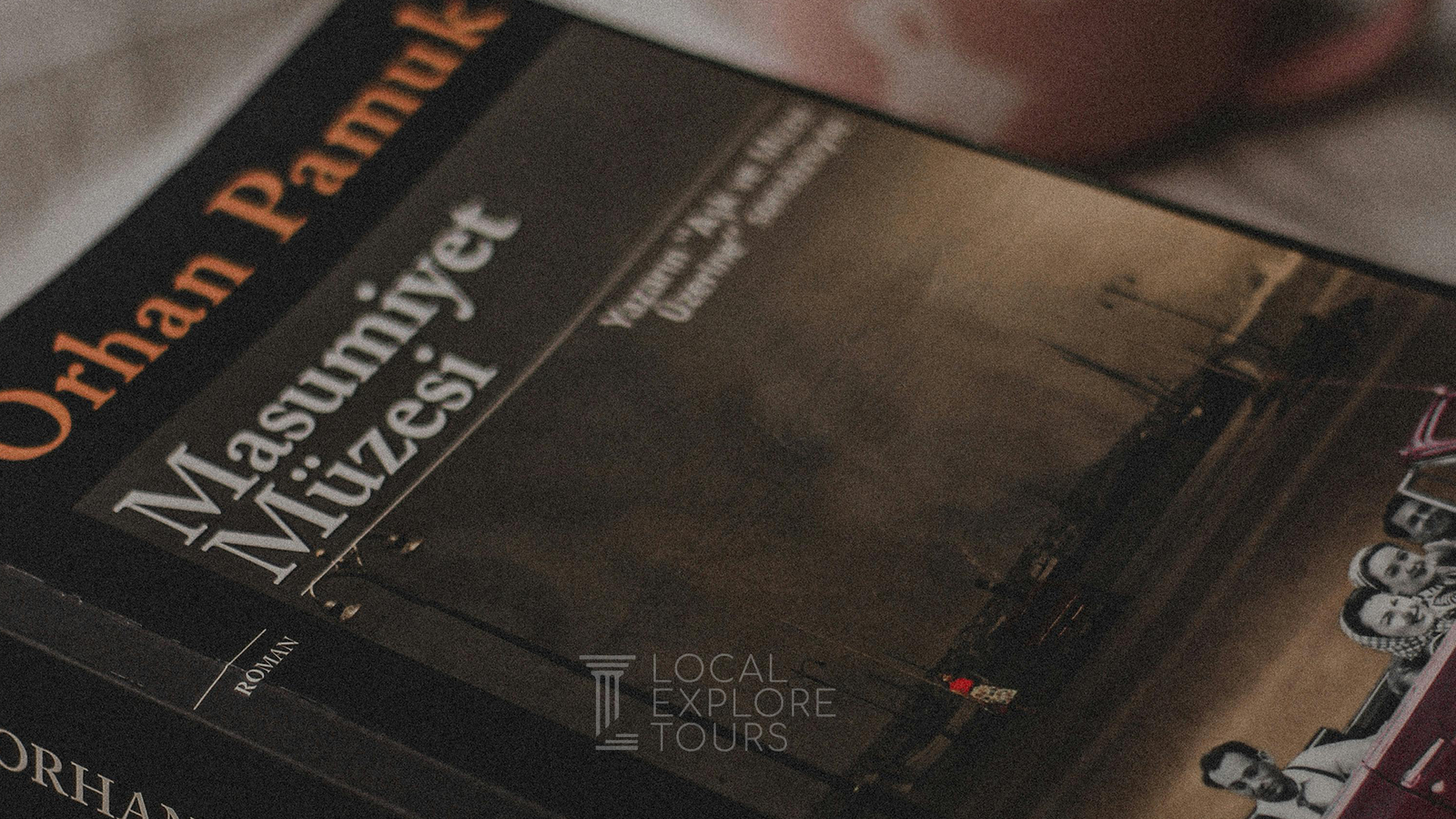
Orhan Pamuk is one of the most renowned novelists of our time and the first Turkish author to win the Nobel Prize in Literature. His works have been translated into 63 languages and have sold over 13 million copies worldwide. Born in 1952 in Istanbul, Pamuk originally aspired to be a painter but turned to literature, eventually achieving international acclaim with works like 'The New Life' and 'My Name is Red.' He won the Nobel Prize in 2006.
Pamuk’s career also includes photography and screenwriting. In 2019, his photo exhibition 'Balkon' showcased hundreds of Istanbul snapshots taken from his balcony.
The Museum of Innocence – The Novel
Released in 2008, 'The Museum of Innocence' tells the love story of Kemal and Füsun, spanning 1975–1984. Their tragic romance unfolds through objects Kemal collects during secret visits, ultimately leading him to transform Füsun’s house into a museum of memories.
The Museum of Innocence – A Real-Life Destination
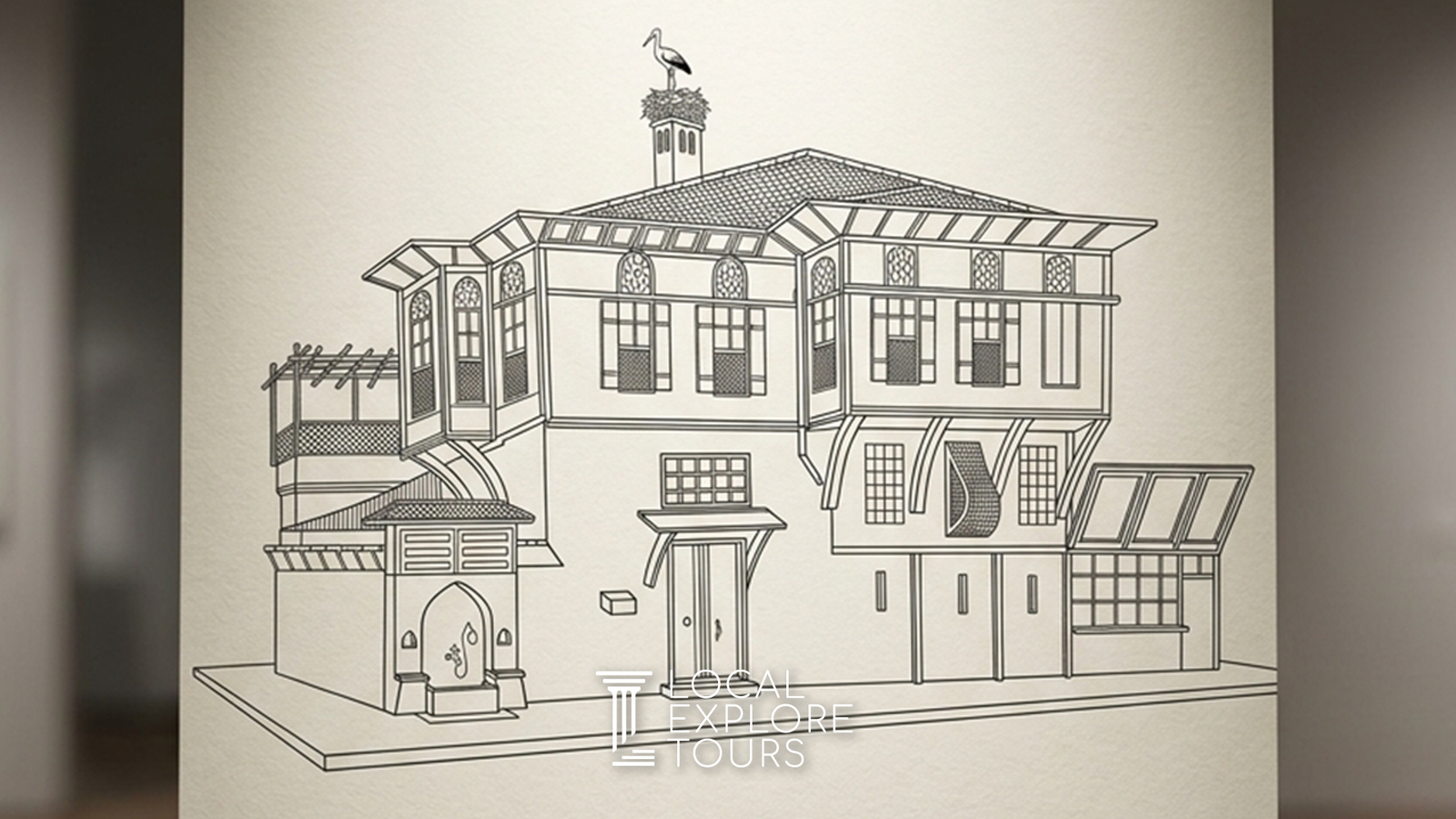
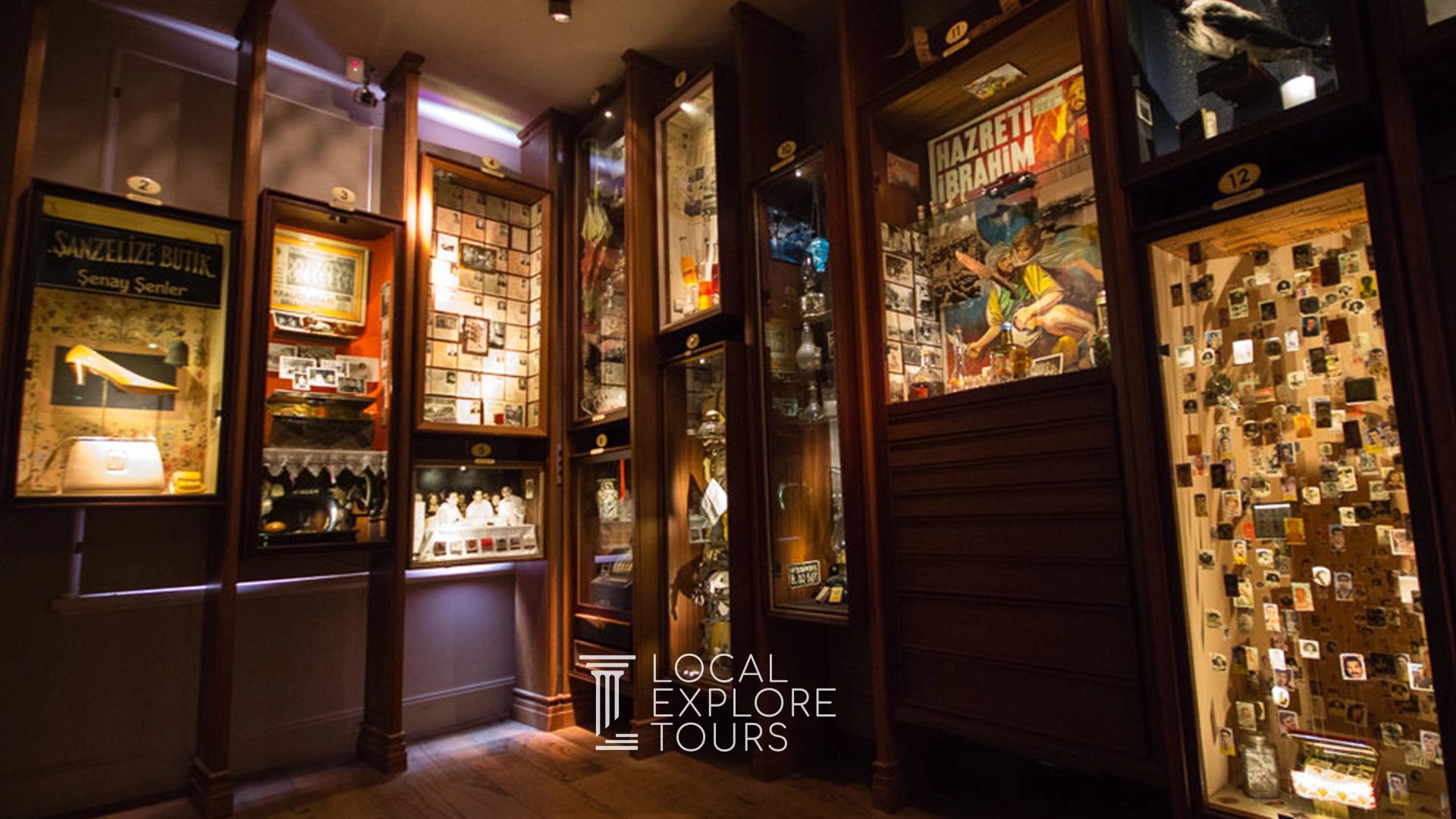
In 2012, Pamuk opened the real Museum of Innocence in Çukurcuma, Istanbul. The museum displays over 1,000 objects mentioned in the novel, arranged in evocative glass cabinets. Awarded European Museum of the Year in 2014, it immerses visitors in late 20th-century Istanbul life.
Planning Your Visit
The Museum of Innocence invites travelers to explore Istanbul through the lens of literature, memory, and love. Contact us if you'd like to include this unique cultural experience in your trip to Turkey.