A Cultural Bridge from Ottoman Coffeehouses to New Gen Roasters
A Cultural Bridge from Ottoman Coffeehouses to New-Gen Roasters
The First Step: From the Palace to the Streets
The journey of coffee in Istanbul began in the 1550s, during the reign of Suleiman the Magnificent. Arriving from Yemen, this "magic bean" first took its place in the palace kitchens. However, what truly made coffee legendary was its escape from palace walls into the public sphere.
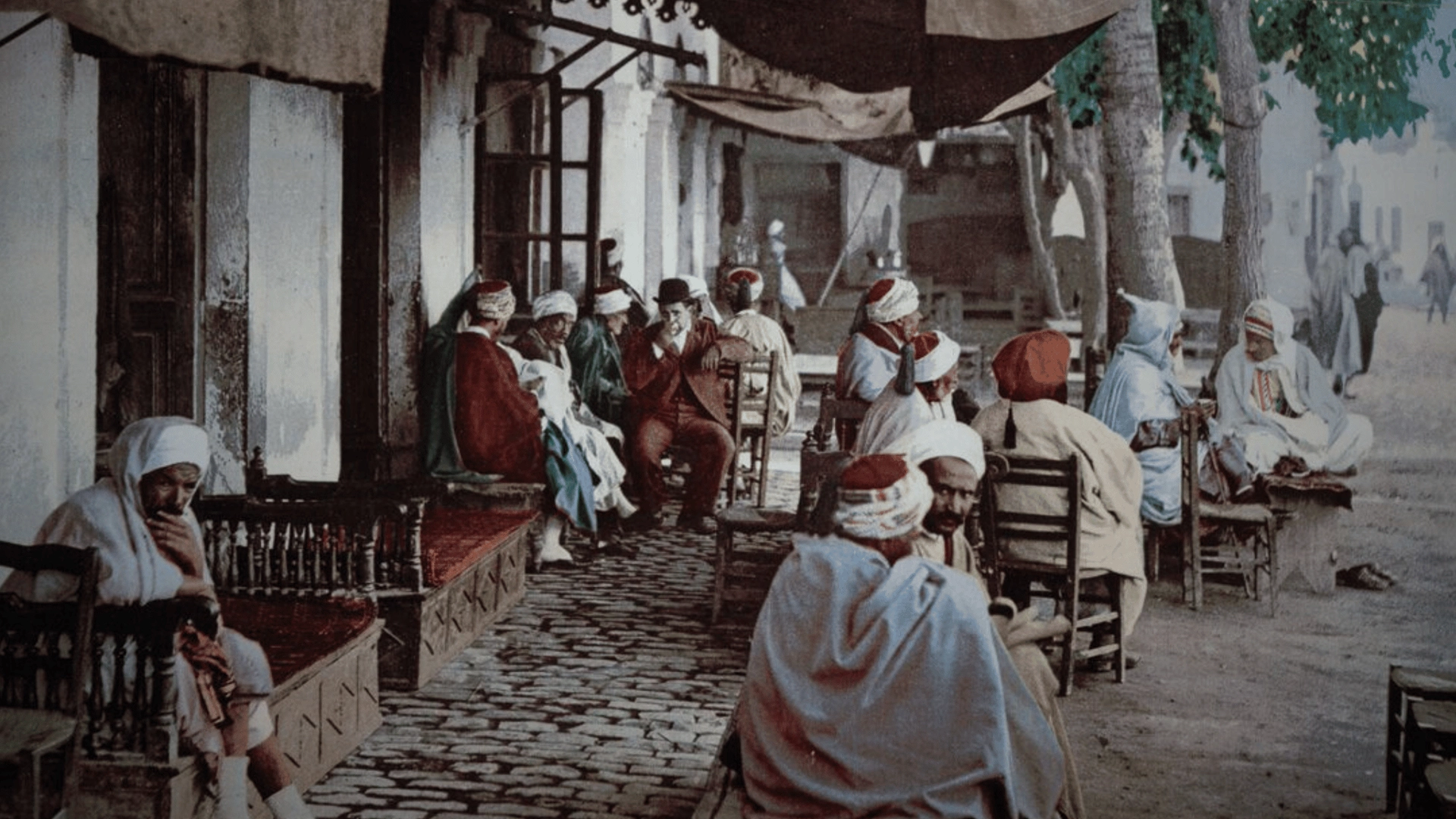
In 1554, two merchants from Syria opened the first coffeehouse in Tahtakale. It wasn't just a shop; it was one of the world's first civil public spaces. Until then, people met primarily in mosques or bazaars. Coffeehouses created a space of social equality where viziers sat on the same stools as artisans, and poets conversed with merchants, blurring class lines for the first time.
The Kıraathane: An Intellectual Hub as a "Reading House"
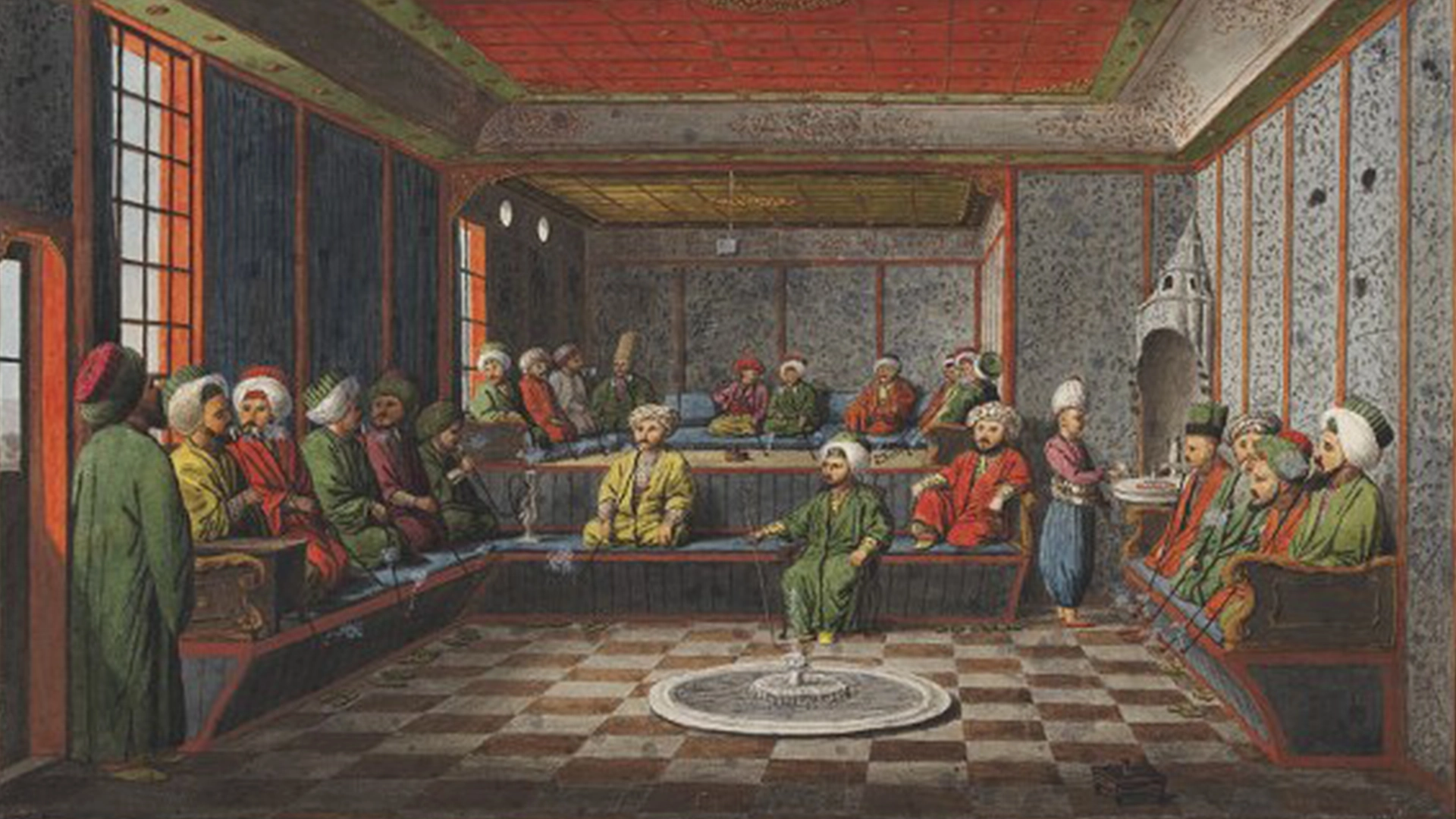
Today, the word Kıraathane might conjure images of neighborhood tea houses where people play board games. However, looking at its etymology (Kıraat: Reading, Hane: House), these venues were originally public libraries and academies.
Ottoman coffeehouses were places where newspapers and journals were read aloud, politics were debated, and literary salons were held. Long before the "Age of Enlightenment" cafes in Europe, Istanbul’s Kıraathanes were known as Mekteb-i İrfan (Schools of Knowledge). For a traveler, these weren't just places to drink; they were innovation centers where the intellectual pulse of the Empire beat.
Social Technology: How Coffee Changed the World
Calling coffee a "technology" may sound ambitious, but its social function was exactly that. Through coffeehouses:
Information Flow Accelerated: City news was heard at coffee tables long before official channels announced it.
Civil Will Was Born: People began gathering for the sole purpose of conversation and idea-sharing, free from religious or commercial obligations.
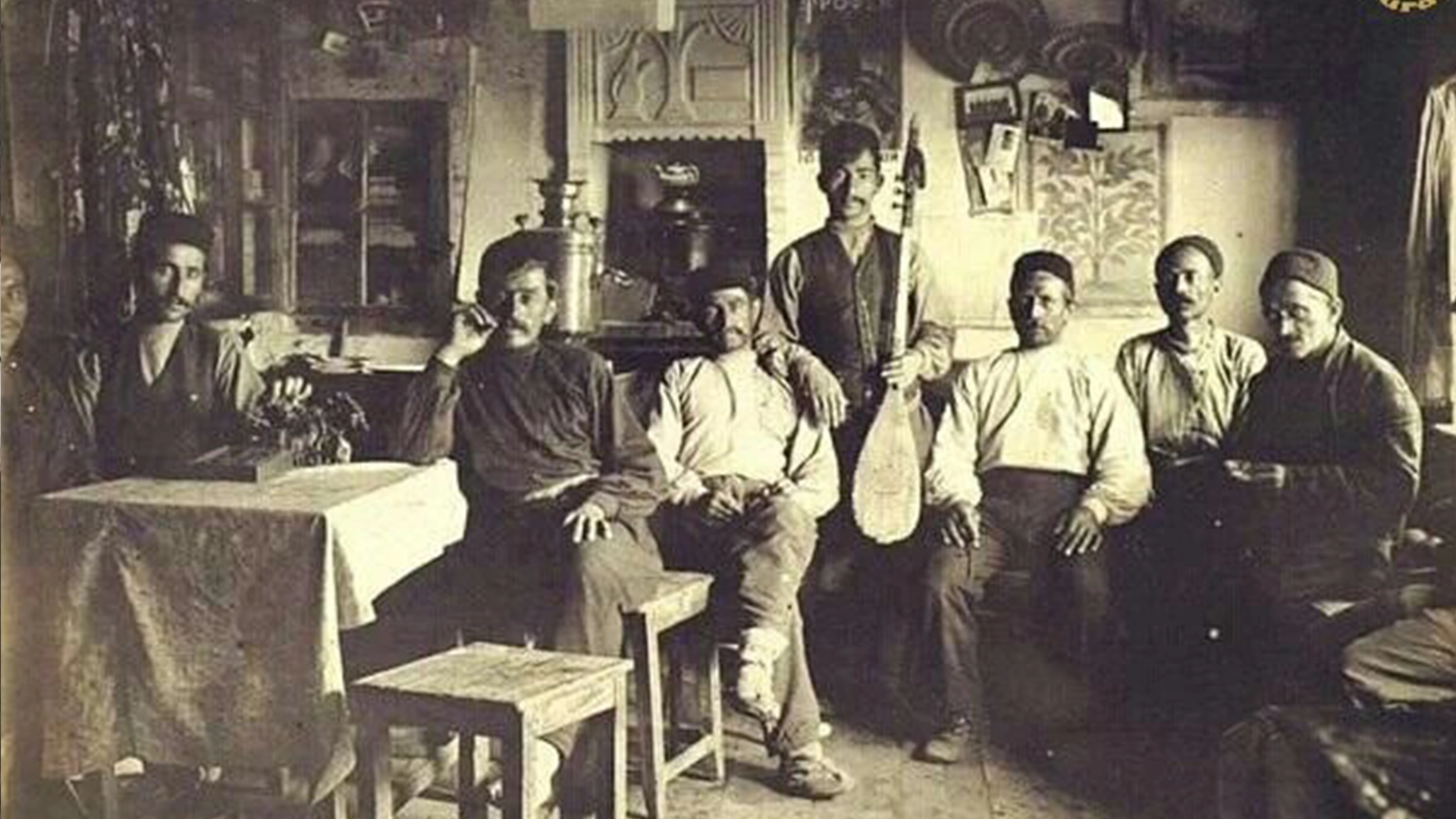
Artistic Spaces Emerged: Traditional shadow plays like Karagöz and Hacivat and public storytellers (Meddah) found their stage here. The foundations of modern Turkish theater were laid in these smoky rooms.
Third-Wave Coffee: A New Hybrid Culture
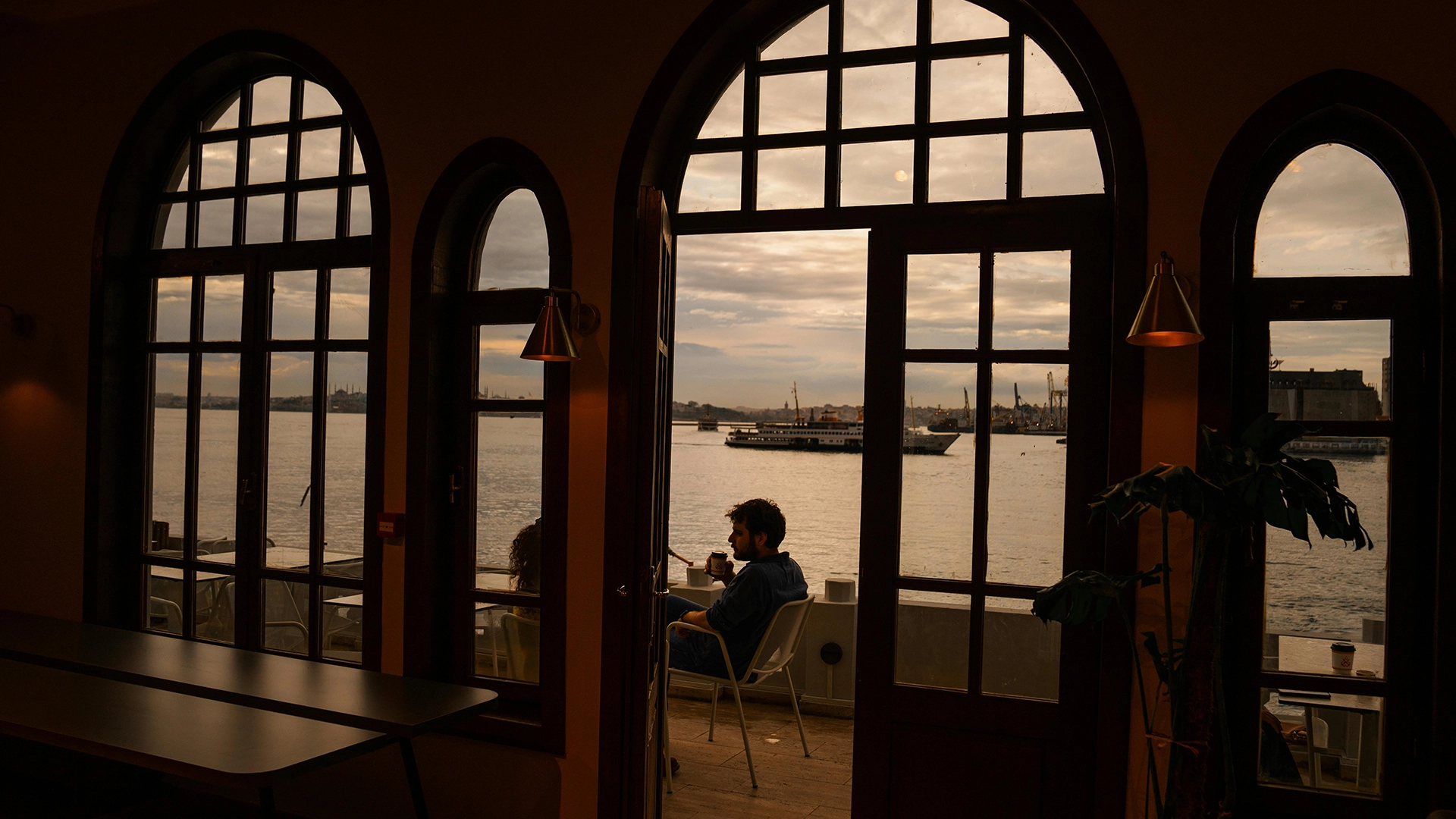
Fast forward to today... The minimalist, industrial-style "Third Wave" roasters found in the streets of Nişantaşı, Kadıköy, or Beşiktaş are essentially the digital age’s adaptation of the old Kıraathane culture.
The gentleman holding a newspaper in a traditional coffeehouse has been replaced by the young professional working "remotely" with a laptop. The function remains the same: To leave the privacy of the home and become part of a community while remaining an individual.
Modern Istanbul coffee culture offers a hybrid structure, blending the traditional weight of Turkish coffee with the light, acidic notes of V60 brewing. When you enter a cafe today, you aren't just choosing a bean; you are buying into the "community" that the space provides.
Turkey’s Time Machine: Must-Visit Historic Coffee Stops
To truly experience this "social technology" journey, you must step beyond the modern cafes and visit these legendary spots under the shade of century-old sycamores:
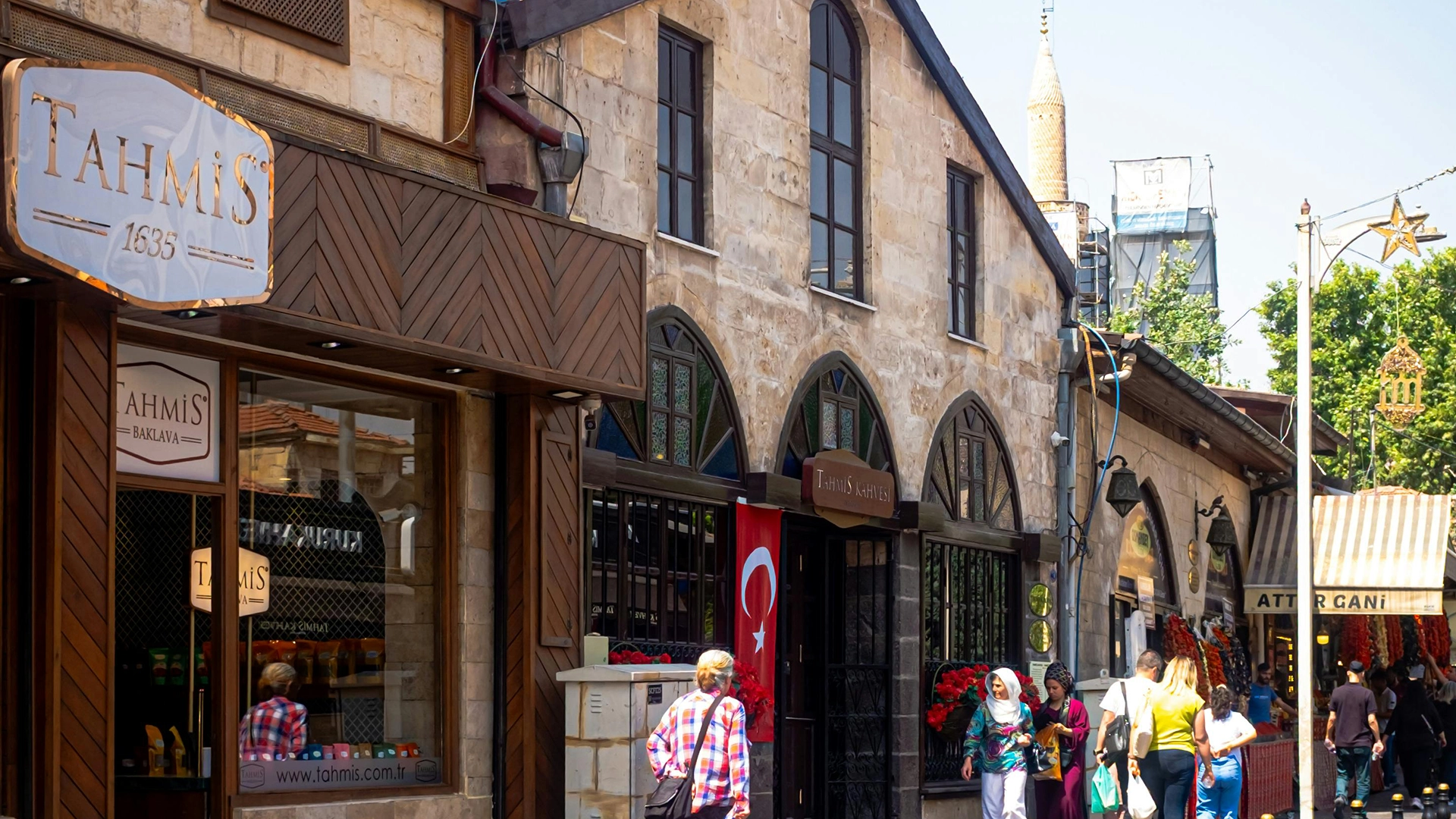
1. Gaziantep – Tahmis Kahvesi (Est. 1635)
One of the oldest in Turkey, Tahmis is a living museum. Under its high ceilings and stone walls, you must try Menengiç Coffee, made from wild pistachios. It is the most magnificent representative of Ottoman coffeehouse grandeur.
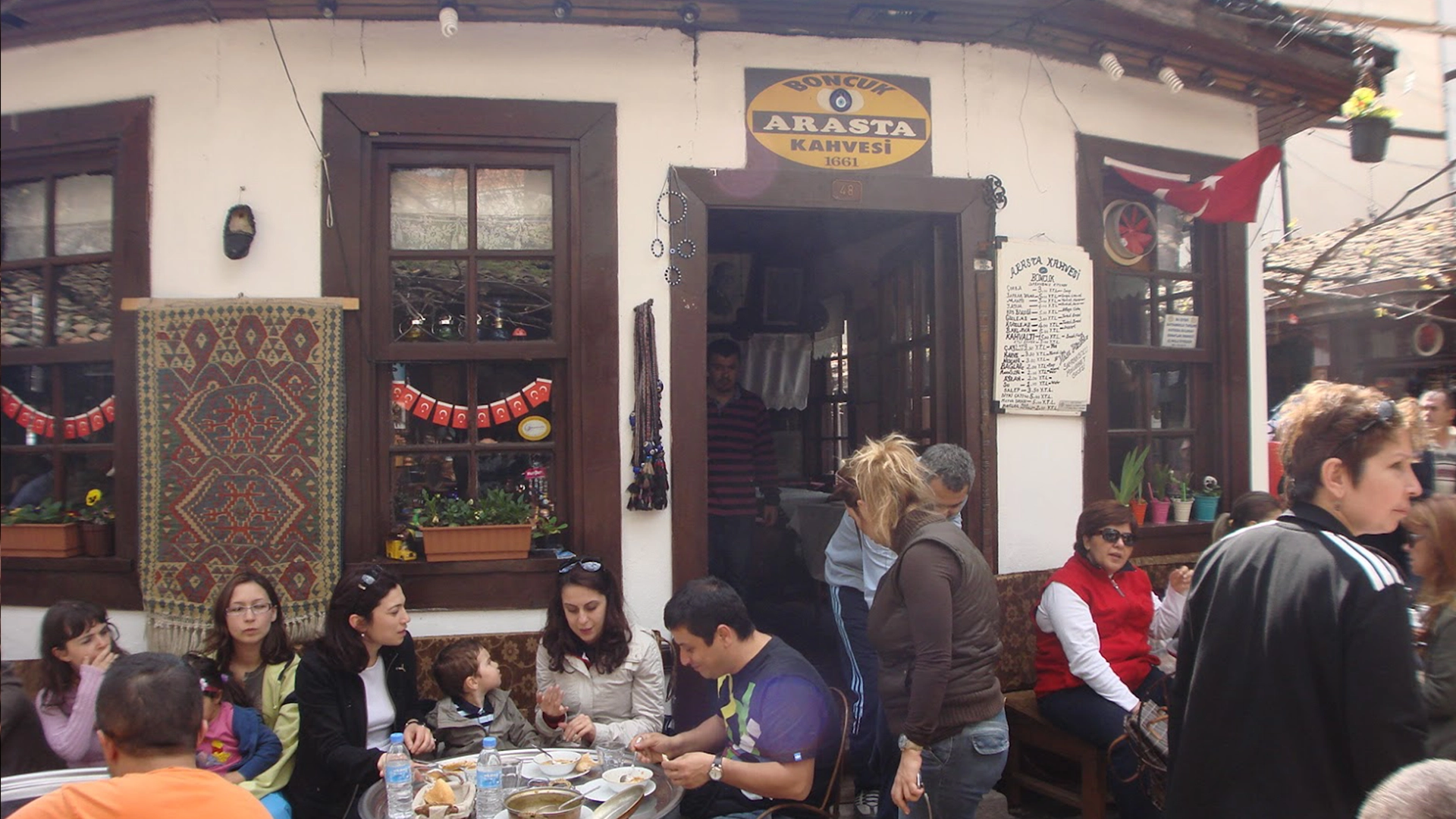
2. Safranbolu – Arasta Kahvesi (Est. 1661)
In the UNESCO-protected town of Safranbolu, your coffee is cooked slowly over embers. Served with saffron-infused Turkish delight and traditional sherbet, it offers a glimpse into the 17th-century artisan guild life.
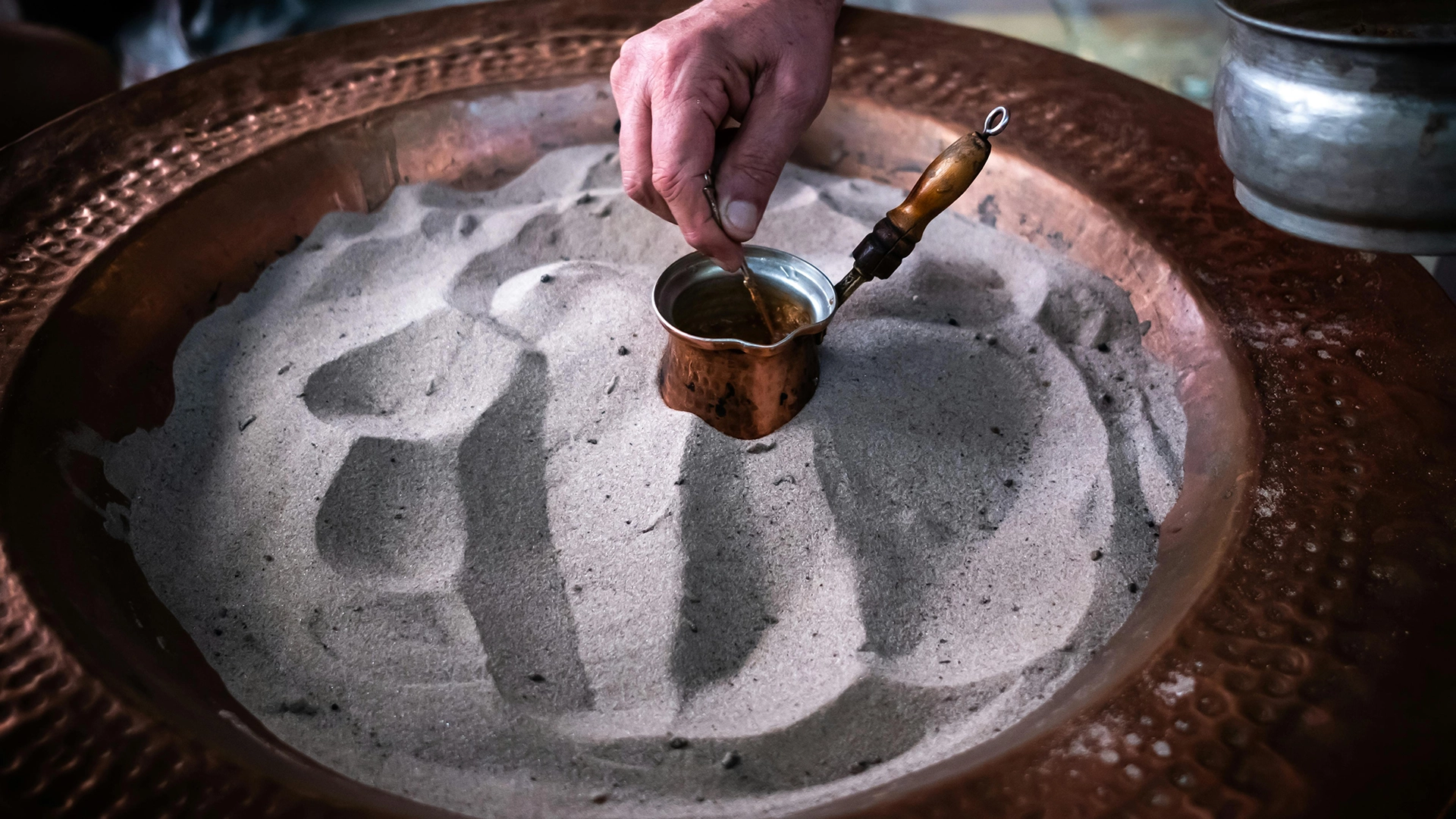
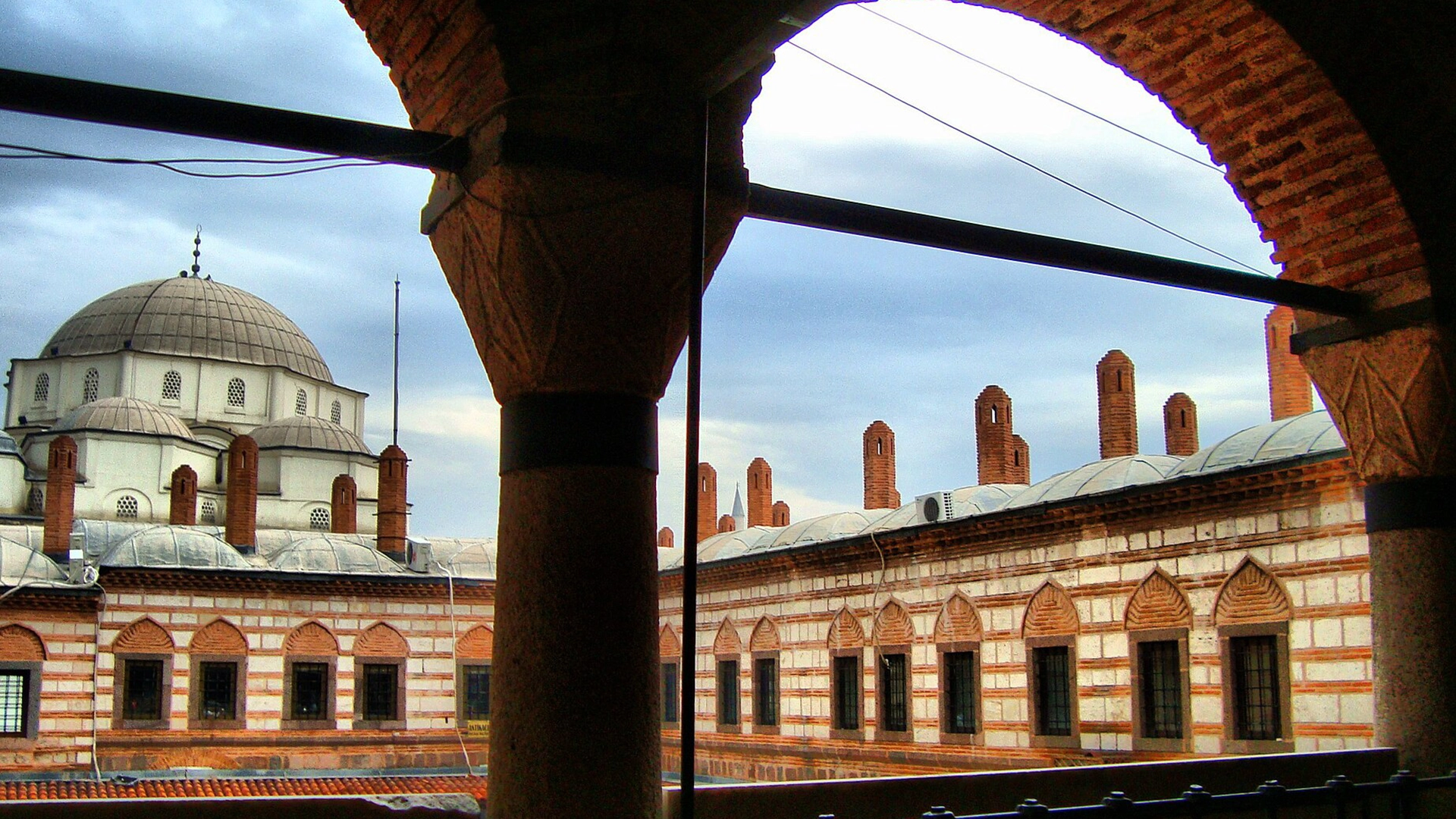
3. Izmir – Kızlarağası Inn Coffeehouses
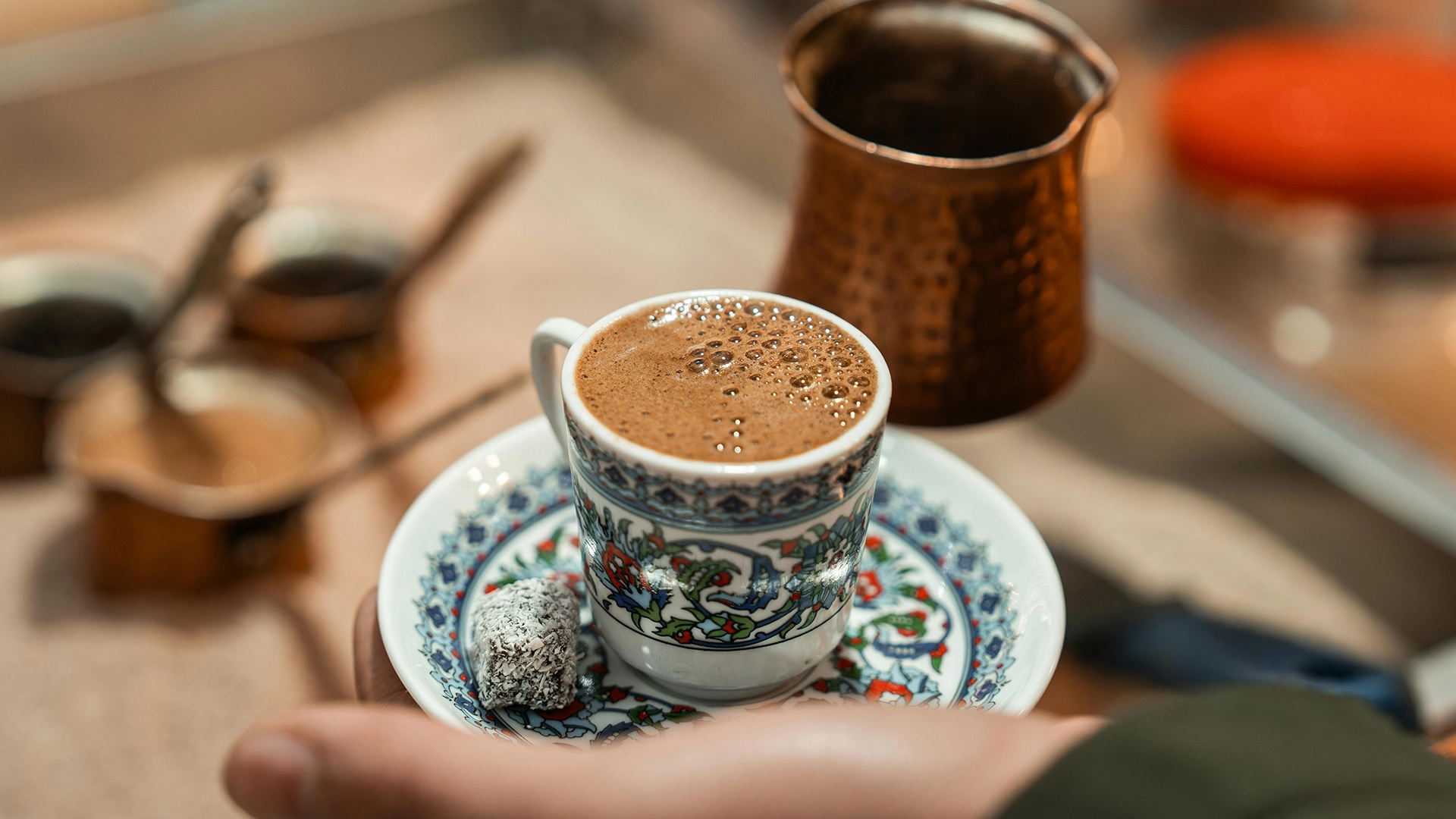
In the heart of the Aegean, this spot reflects the cosmopolitan nature of a port city. Here, coffee is "brewed in the cup" over hot sand. It’s the perfect place to witness Izmir’s cheerful and extroverted social energy.
4. Bursa – Koza Han Coffeehouses
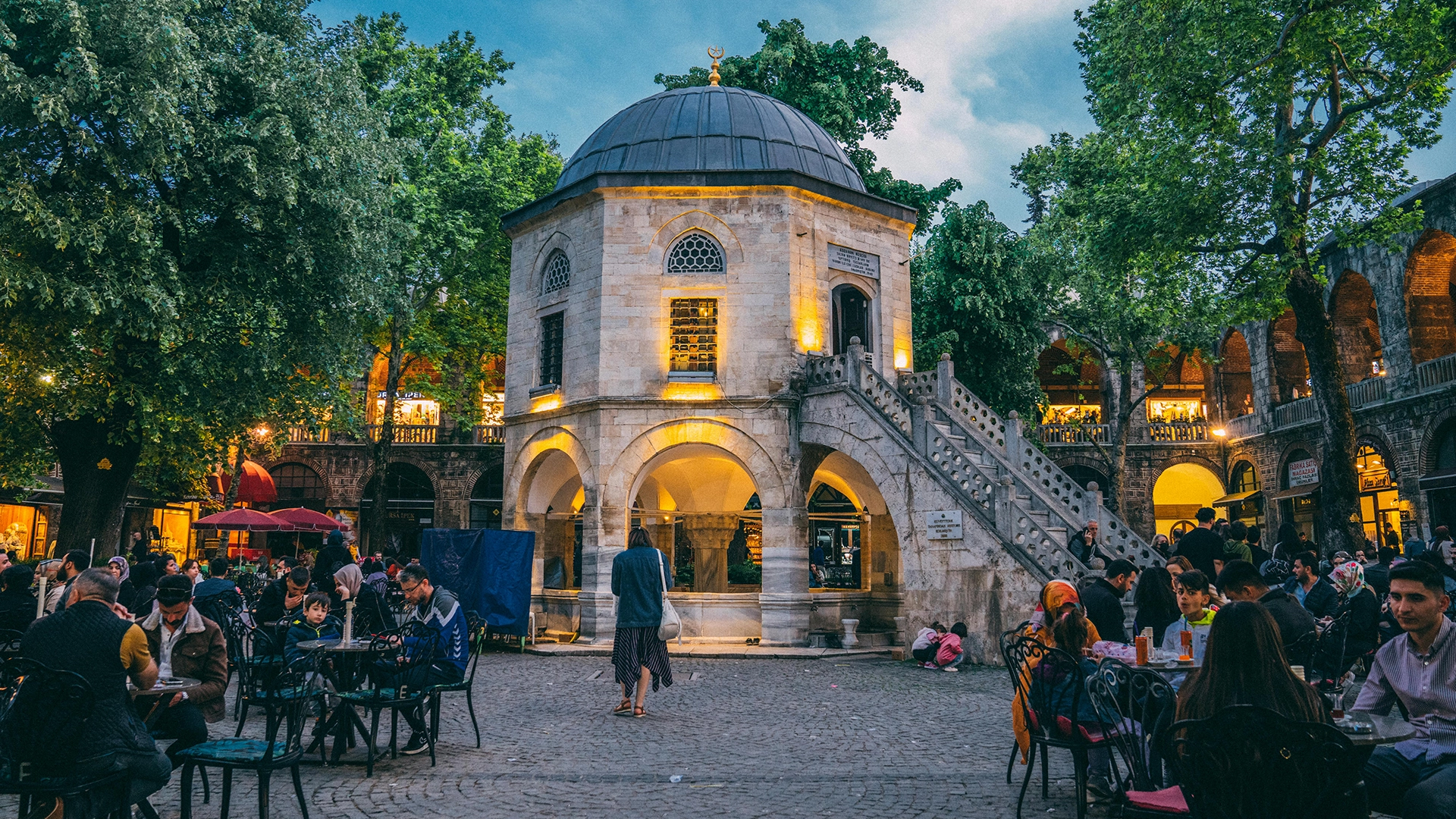
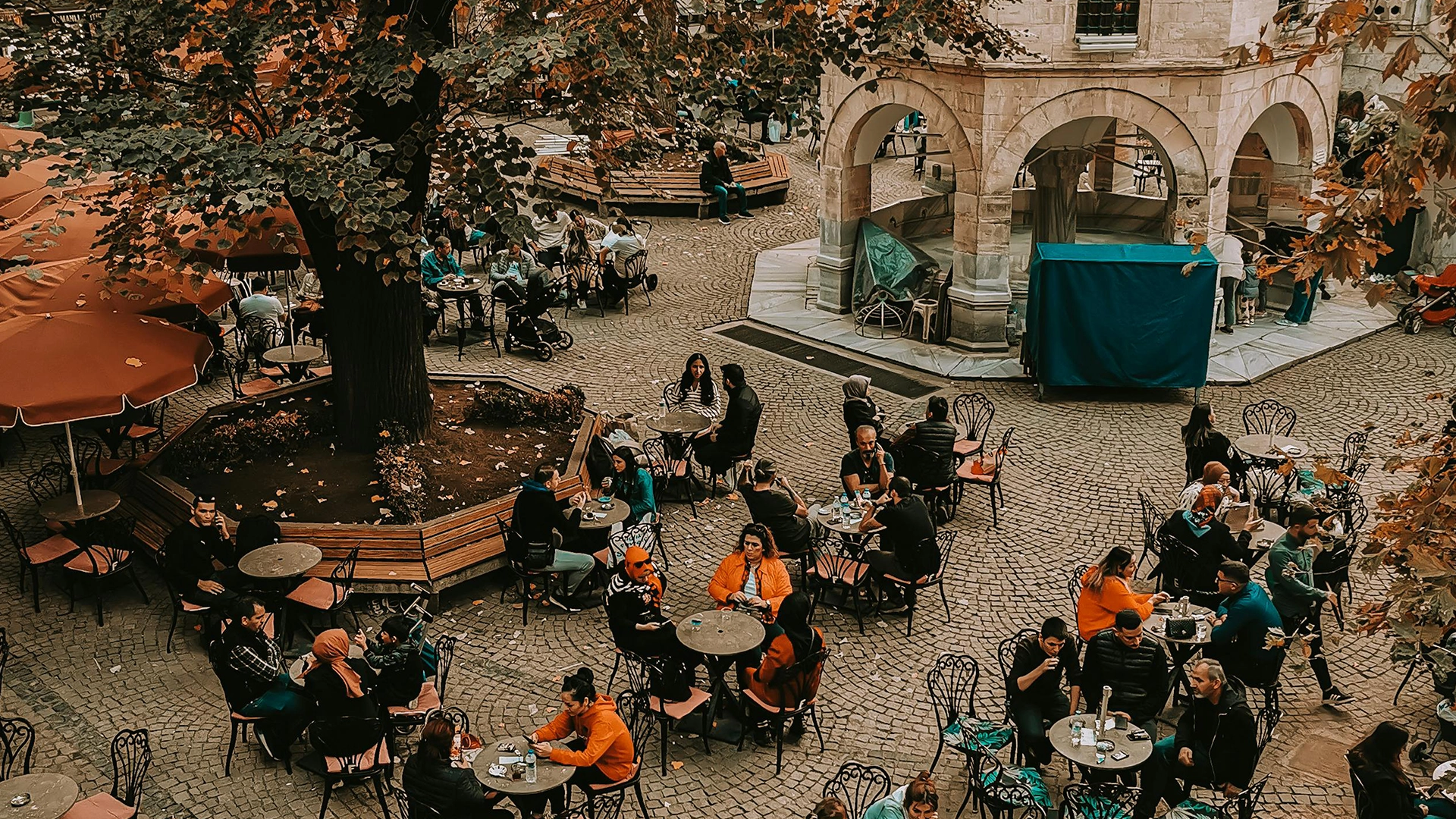
As the final stop on the Silk Road, Koza Han was a center where silk merchants negotiated and politics were debated for centuries. Sitting on stools under massive plane trees today, you continue a tradition of public dialogue that started in the 15th century.
5. Antalya – Tophane Tea Garden
Overlooking the Mediterranean cliffs, this garden captures the serene and breezy nature of old Antalya (Kaleiçi). It is a classic example of a "viewpoint coffeehouse" where sailors and city elders have rested for centuries.
The Verdict: More Than Just a Cup
Drinking coffee in Turkey is an invitation to join a 500-year-old social software. Whether it’s a Turkish coffee cooked over hot coals or a meticulously dripped Cold Brew, coffee in this land will always mean connection. On your next trip, look at your cup not just as a drink, but as a bridge between the verses of Ottoman poets and the vibrant energy of modern Turkey.