Why Turkey is the Ultimate Paradise for Cat Lovers
Why Turkey is the Ultimate Paradise for Cat Lovers
Cats as Cultural and Spiritual Icons
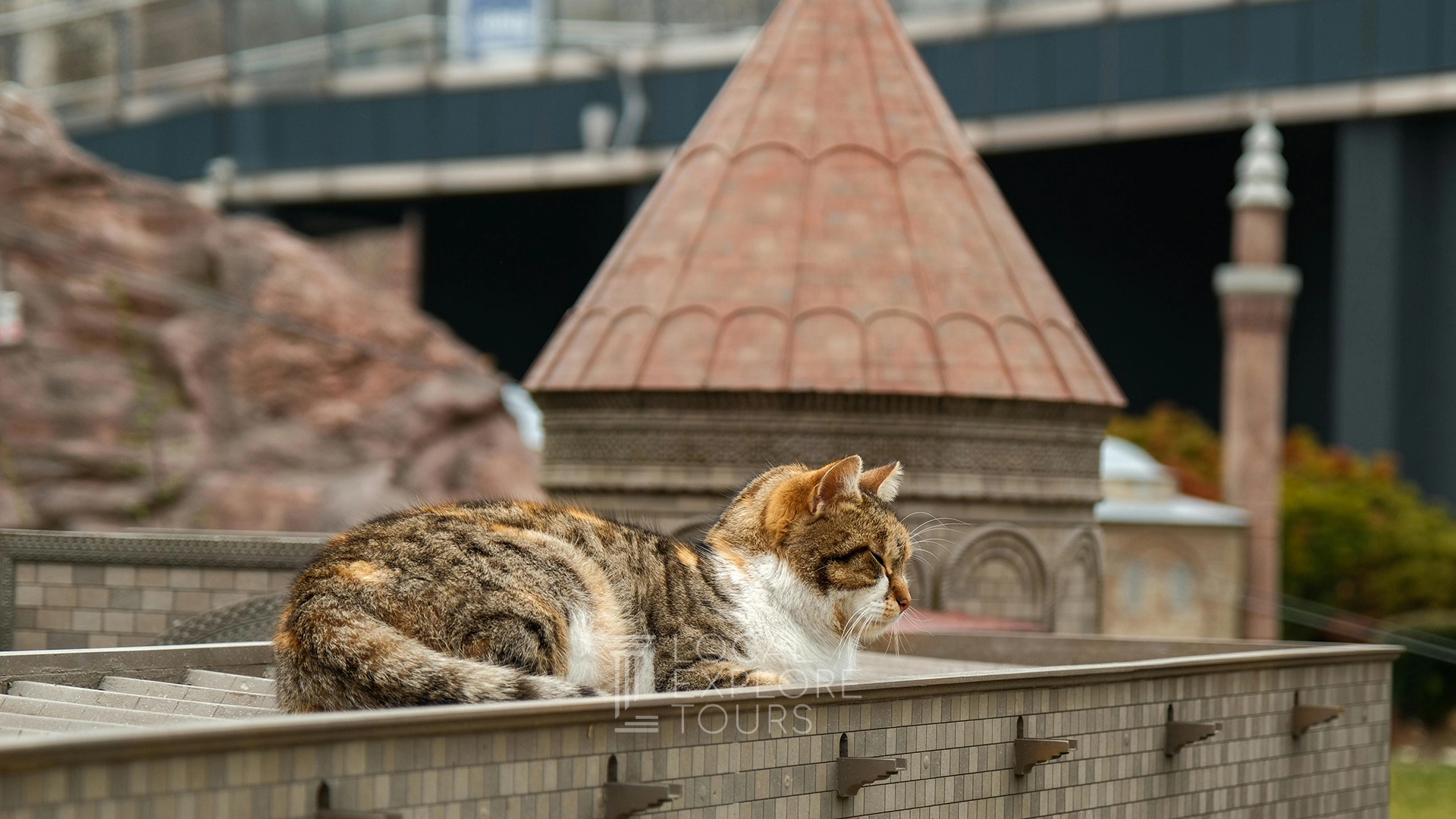
In Turkish culture, cats are often viewed as symbols of good luck, cleanliness, and prosperity. Unlike in many Western urban centers, cats in Turkey are not "strays" in the traditional sense; they are communal pets.
A Symbol of Grace: Many locals believe that cats bring bereket (abundance) to homes and businesses. It is common to see a cat napping on a stack of expensive carpets or perched on a cafe chair, treated with the utmost respect.
The Spiritual Connection: Cats hold a revered place in Islamic tradition. There is a deep-seated respect for their cleanliness, leading to their welcome presence in mosques and religious spaces.
A Communal Responsibility: Walk through any Turkish neighborhood, and you will see "Cat Villas" (small wooden shelters) and bowls of fresh water and food left out by locals. This silent pact between humans and felines creates a unique urban harmony that leaves visitors spellbound.

The Jewels of Anatolia: The Van and Angora Breeds
Turkey is the proud ancestral home of two of the world's most breathtaking feline breeds. These are not just cats; they are national treasures.
The Turkish Van: The Swimming Cat
The Turkish Van is a rare and ancient breed originating from the Lake Van region.
Unique Traits: Known for their unusual love for water, they are often called "the swimming cats."
Appearance: They possess a distinctive "Van pattern"—a chalk-white body with color restricted to the head and tail.
Personality: They are highly intelligent, social, and often described as having "dog-like" loyalty.
The Turkish Angora: Elegance Incarnate
The Turkish Angora, originating from central Anatolia (Ankara), is the epitome of grace.
Aesthetic: They are famous for their shimmering, silk-like long coats and fine-boned elegance.
Temperament: Angoras are known to be affectionate, playful, and deeply attached to their human companions.

Istanbul: The "Cat-stantinople" Phenomenon
Istanbul’s street cats are a global phenomenon, famously documented in films like Kedi. They are the "silent owners" of the city.
The Unspoken Contract: The residents of Istanbul provide healthcare, food, and shelter; in return, the cats provide joy and a sense of community.
Neighborhood Legends: Many cats become local celebrities, with their own social media accounts and statues (like the famous Tombili in Kadıköy), proving that a cat's life in Istanbul is one of dignity and fame.

The Rise of Cat Cafes and Social Spaces
Turkey has put its own spin on the "Cat Cafe" trend. These are not just businesses; they are sanctuaries.
Relaxation & Rescue: Many cafes serve as adoption centers, helping find "forever homes" for kittens while providing a cozy space for tourists to sip Turkish tea with a purring friend on their lap.
A Sensory Experience: The combination of traditional Turkish hospitality and feline companionship offers a therapeutic escape from the frantic pace of modern life.

Festivals and Feline Celebrations
In certain regions, the bond between humans and cats is so strong that it warrants celebration.
Van Cat Festivals: In Eastern Turkey, festivals are held to honor the Van Cat, featuring beauty contests and educational workshops about breed preservation.
Community Bonds: These events foster a sense of pride in Turkey’s biological diversity and remind us of the deep historical roots that tie these animals to the Turkish identity.

Conclusion: A Lesson in Compassion
Turkey’s cat culture is a beautiful reminder of what happens when a society chooses compassion over indifference. Whether they are lounging in a 12,000-year-old ruin or waiting for a treat outside a modern bakery, the cats of Turkey are a testament to the country’s warm spirit.
Are you ready to meet your next feline friend in the streets of Turkey? Don't forget to pack some treats—you’ll have plenty of company!