A Journey to Legendary Ionia: Discover the Enchanting Cities of the Aegean
Walk the marble streets of Ephesus, trace philosophy in Miletus, admire Priene’s elegance, and hear Apollo’s whispers in Didyma. Tips, routes & why Ionia enchants.
On the ancient shores overlooking the deep blue waters of the Aegean Sea, a brilliant civilization once flourished: Ionia. This land, where myths, science, and art were born, captivates not only archaeologists but also travelers from around the world. In 1200 BCE, the Ionian people arrived on the western coast of Anatolia and established a maritime and commercial powerhouse. The seeds of philosophy were sown, science was born, and the prophecies of the gods echoed through the sacred sites of this legendary region.
The Mysterious People of Ionia
The Ionians were enriched by maritime trade and driven by a thirst for knowledge. They gathered not only goods but ideas, culture, and art. Home to giants like Thales, Anaximander, Heraclitus, Anaxagoras, Diogenes of Apollonia, Archelaus, and Hippon, this 'cradle of thought' asked humanity’s first profound questions: How was the universe formed? What is the essence of everything?
Legendary Ionian Cities You Must Visit
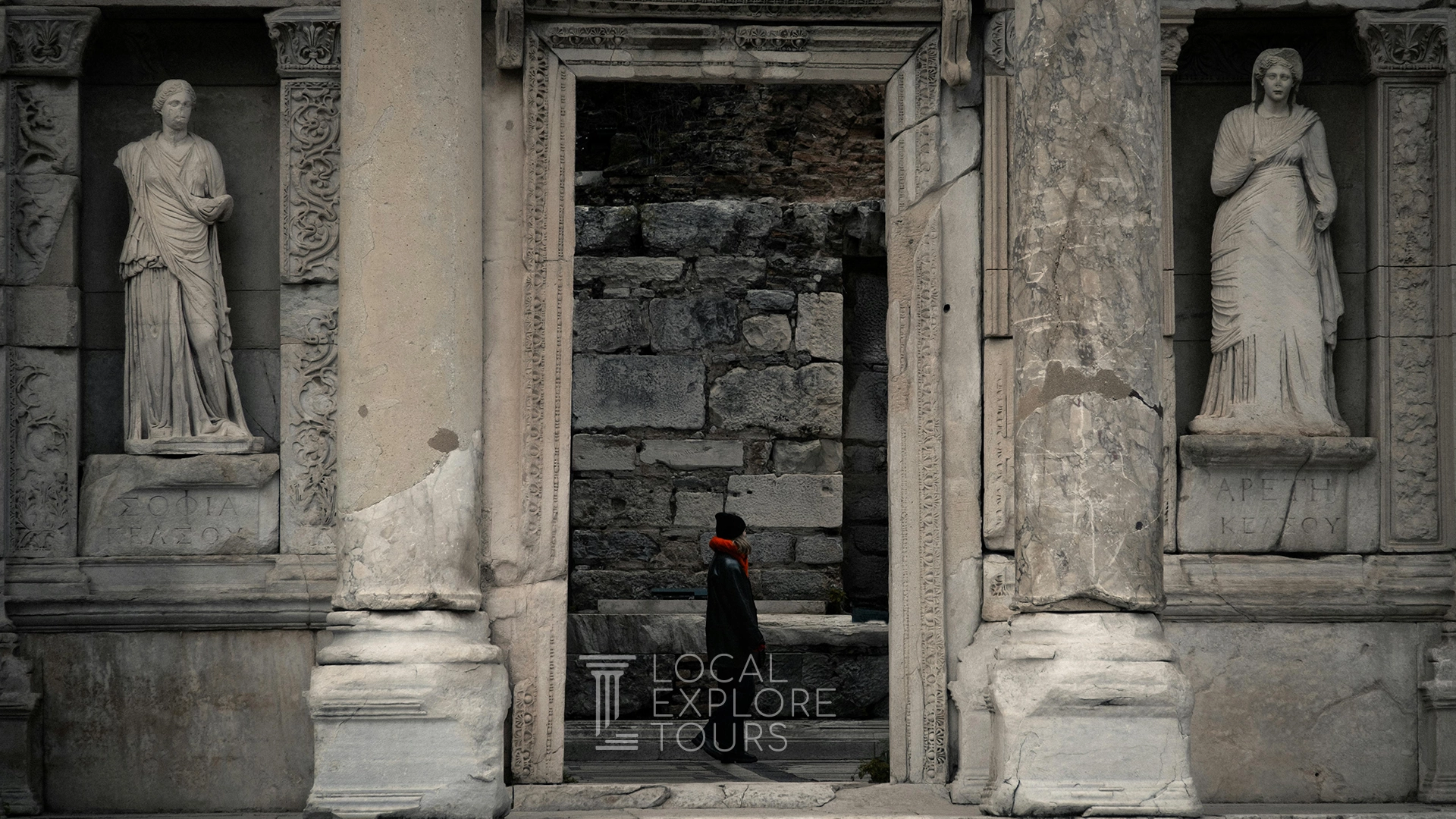
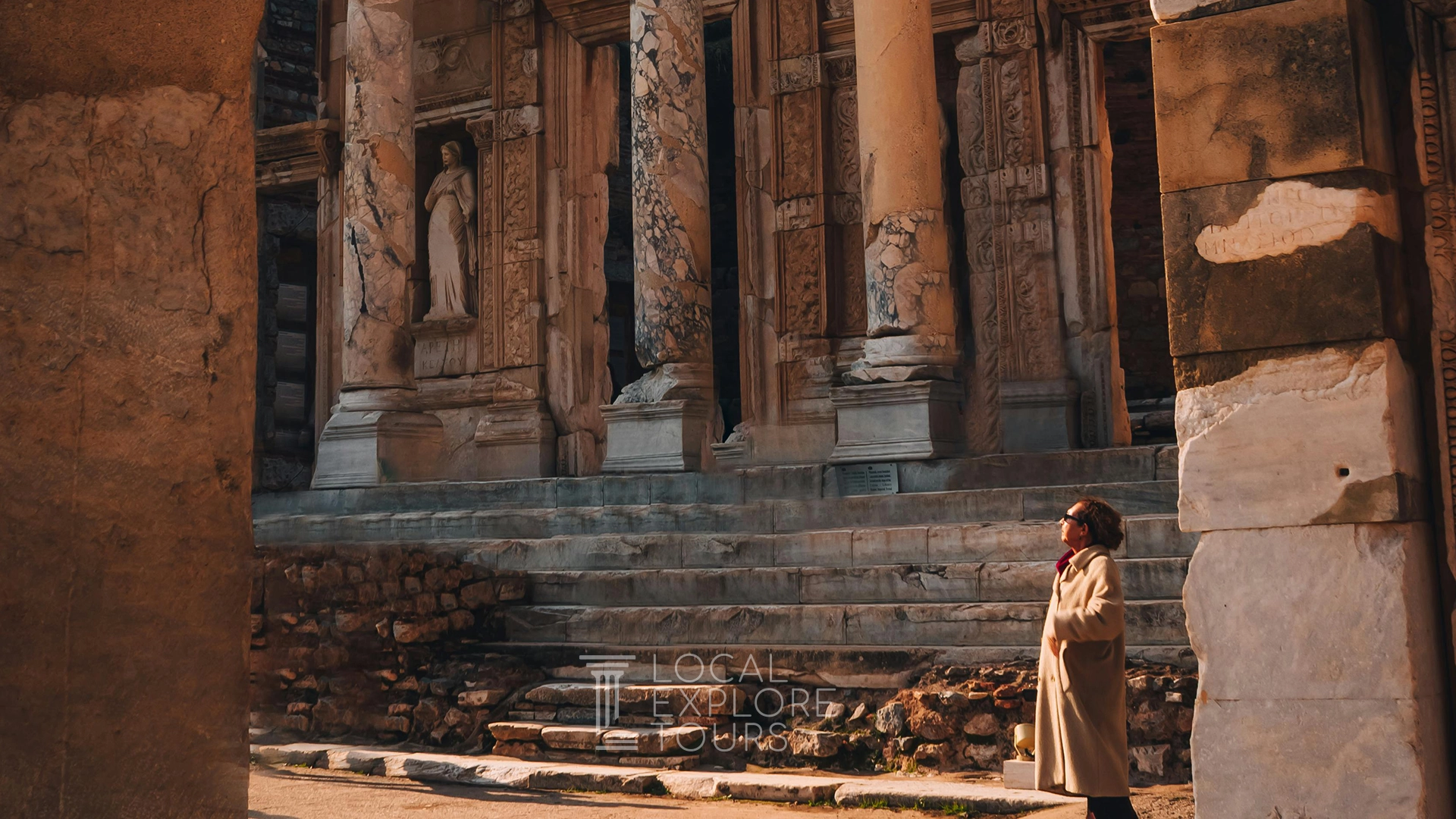
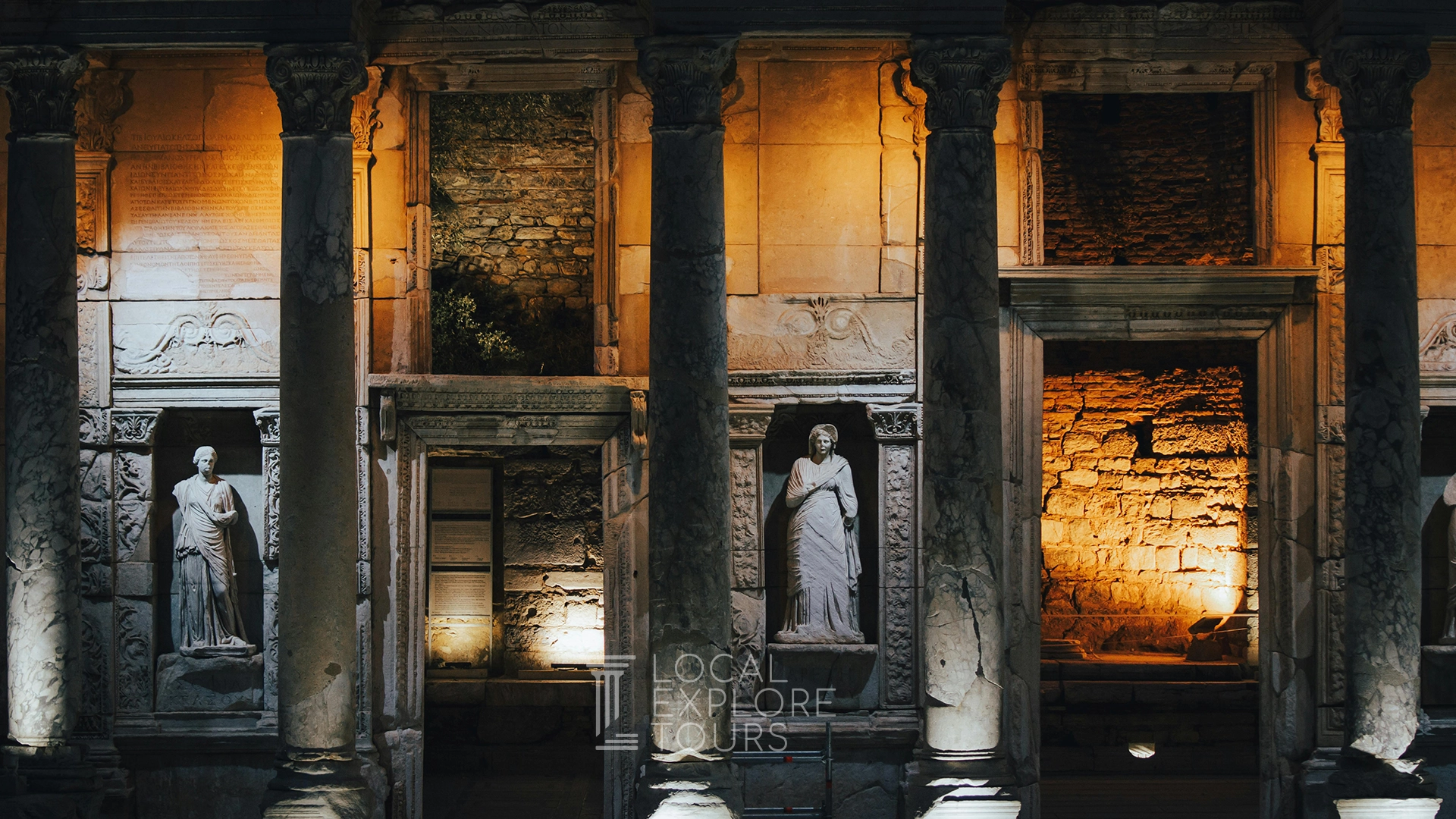
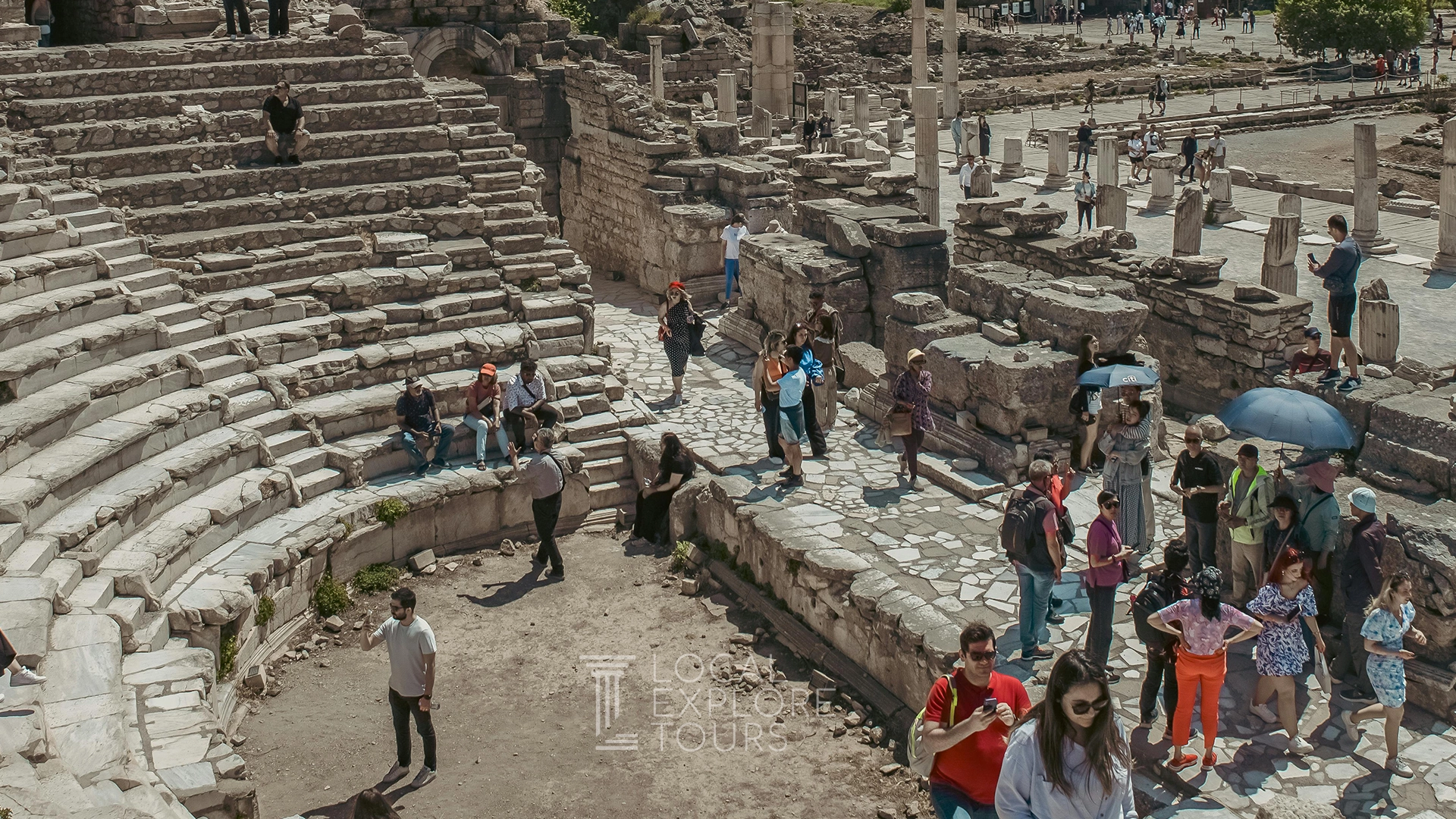
1) Ephesus (Ephesos): the 'queen of Ionia' invites you along marble streets. See the Temple of Artemis—one of the Seven Wonders—snap the Library of Celsus, and imagine performances in the 25,000-seat theatre.
2) Miletus (Miletos): the 'center of wisdom' where Thales declared 'Everything is made of water.' Its grid-plan city influenced modern urban design; the theatre by the sea is unforgettable.
3) Priene: modest in size, grand in elegance. The hilltop Temple of Athena offers sweeping Aegean views; the theatre and agora showcase superb preservation.
4) Smyrna (Izmir): a modern metropolis with ancient roots—legendary birthplace of Homer—whose historic streets still echo its illustrious past.
5) Didyma (Didymaion): famed oracle center. In the Temple of Apollo, supplicants sought prophecies; among its monumental columns the whispers of oracles seem to linger.
Why Are Ionian Sites So Enchanting?
Step into mythology with Artemis and Apollo; walk the pages of history in Ephesus, feel curiosity in the Library of Celsus, and sense the excitement of the grand theatre. Then taste the Aegean: olive-oil dishes, fresh seafood, and aromatic herbs.
Travel Tips and Visitor Guide
• When to visit? Spring and autumn are best; summer heat favors early starts.
• How much time? Dedicate at least half a day to Ephesus. With planning, Miletus, Priene, and Didyma fit in a single day.
• Travel with a guide: a local expert brings myths, legends, and context to life.
Final Words
As you wander the Aegean, you walk among heroes’ footprints, philosophers’ thoughts, and divine prophecies. The splendor of Ephesus, the wisdom of Miletus, the grace of Priene, and the mystique of Didyma await—if Ionia calls, answer it.