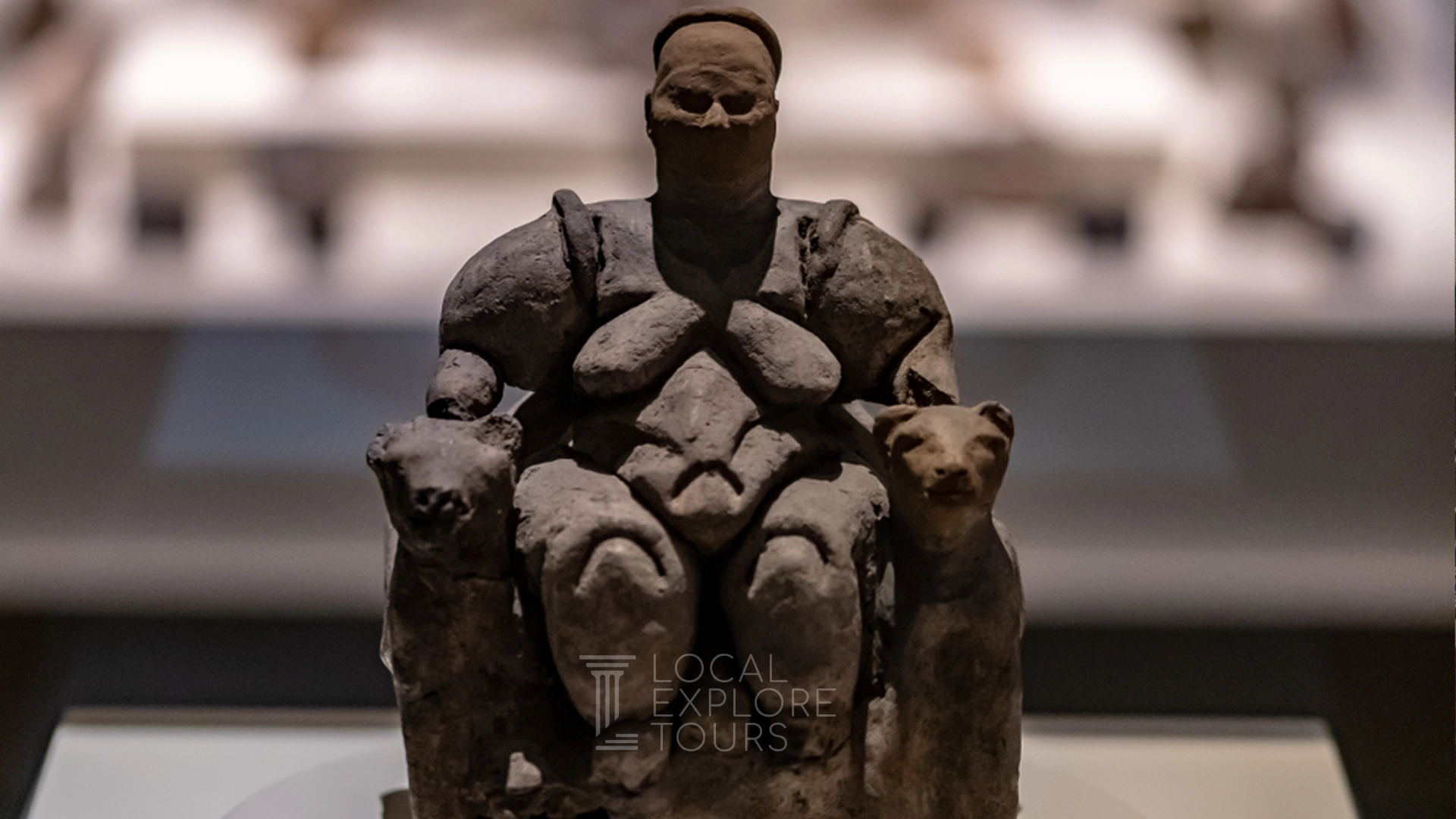
Discover the Timeless Wonder of Çatalhöyük
Çatalhöyük, near Konya, is a 9,000-year-old Neolithic settlement that reveals roof-entry homes, sacred bull skulls, and the iconic Seated Mother Goddess.
Read articleKonya, located in central Turkey, is a city rich in spiritual heritage, history, and culture. It is best known as the home of Rumi and the center of Sufism, offering a unique and peaceful atmosphere. The best time to visit is during spring (April–June) and autumn (September–October) when the weather is mild. December is also a special period due to the Seb-i Arus ceremonies, commemorating Rumi with mesmerizing Whirling Dervish performances. In Konya, you can visit the Mevlana Museum, explore historic mosques and Seljuk architecture, experience a traditional Sema ceremony, and discover one of the world’s oldest settlements at Çatalhöyük, a UNESCO World Heritage Site. With its deep spiritual roots and cultural richness, Konya offers a meaningful and authentic travel experience.
Çatalhöyük, near Konya, is a 9,000-year-old Neolithic settlement that reveals roof-entry homes, sacred bull skulls, and the iconic Seated Mother Goddess.
Read article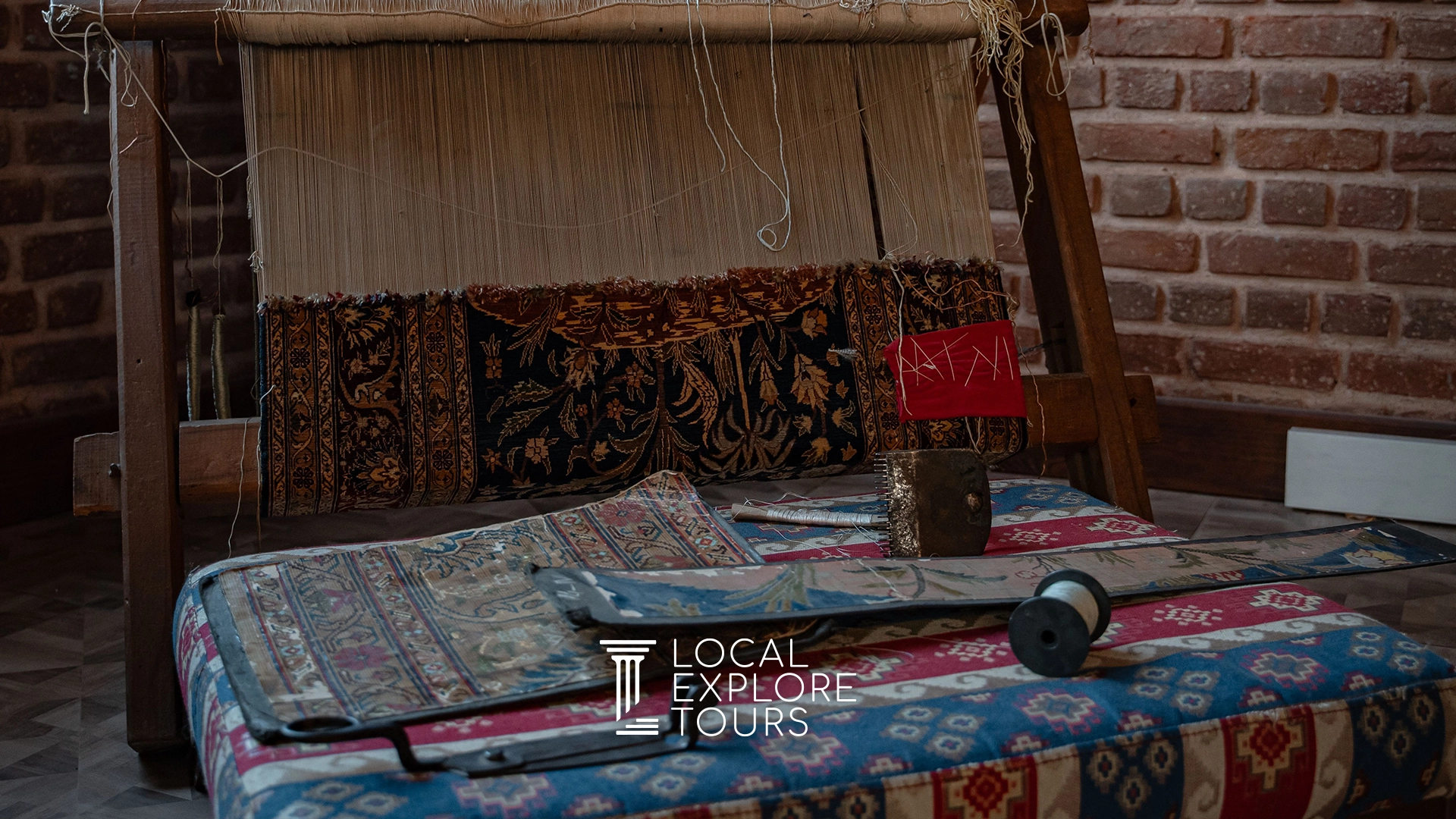
Long before modern nation-states drew geopolitical borders, the high plateaus and fertile river valleys of Anatolia formed the ultimate crossroads of human civilization. Here, nomadic pastoralists encountered deep-rooted urban empires, Greek philosophy met Mesopotamian mysticism, and eastern trade winds brushed against western trade routes. While stone monuments, sunken ruins, and amphitheaters offer glimpses into this layered past, one of Anatolia’s most intimate archives was never carved from marble or cast in bronze. It was spun from wool, dyed with local roots, and tied knot by double knot on wooden looms. When you look closely at an authentic handmade Anatolian carpet, you are not merely admiring Turkish folk art or floor decor. You are decoding the layered archives of world history. Every motif, naturally derived pigment, and symmetrical knot carries echoes of ancient fertility rites, nomadic endurance, celestial geometry, and empires that shaped the Mediterranean basin.
Read articleShare your travel style and we will craft a tailored itinerary that connects this destination with complementary experiences.